







You’re standing on the rim of a volcano at 10,000 feet, watching the sky turn violet and gold. An hour ago you were in a bamboo forest, shoes wet from a waterfall crossing. Tonight, you’ll fall asleep to the sound of the Pacific. This is what the best places to visit in Hawaii actually feel like — not the resort-pool version most travel sites sell you, but the real, living, breathing thing.
- Why the Best Hawaiian Island Depends Entirely on You
- Best Places to Visit in Hawaii, Island by Island
- How to Choose Your Hawaiian Island
- Best Time to Visit Hawaii
- Sustainable Travel in Hawaii: What Every Visitor Should Know
- FAQ: Best Places to Visit in Hawaii
- Final Thoughts: Hawaii Is More Than a Vacation {#conclusion}
Hawaii attracts approximately 10 million visitors a year across six major islands — yet most people never leave a ten-mile radius of their hotel. That’s a tragedy. Because the true Hawaii — the volcanic black coasts, the soaring sea cliffs, the ancient temples, the humpback whales breaching at sunrise — is just beyond the tourist strip, waiting.
This guide gives you the honest, island-by-island breakdown you need. No filler, no affiliate padding. Just the places, the practical details, and the environmental context every responsible explorer should carry.
Why the Best Hawaiian Island Depends Entirely on You
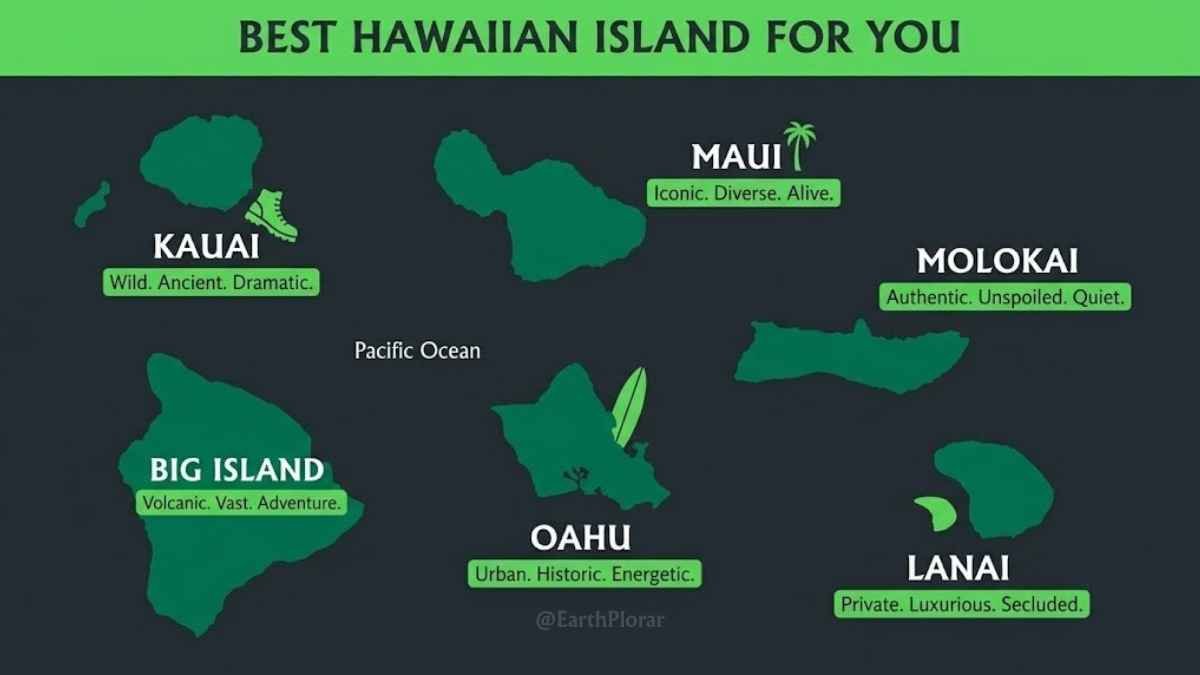
There is no single “best” Hawaiian island — and any list that claims otherwise is optimizing for clicks, not for you. The six major islands are genuinely different worlds: different geology, different culture, different crowd levels, different ecosystems.
Before diving in, ask yourself honestly:
- Volcanic drama and otherworldly hikes? → Big Island or Kauai
- First trip, families, or maximum variety? → Maui or Oahu
- Raw, uncrowded wilderness and authentic culture? → Kauai or Molokai
- World-class surfing or surf spectating? → Oahu’s North Shore or Maui’s Ho’okipa
- Pure luxury and seclusion? → Lanai
- Island-hopping as a base? → Maui (central inter-island hub)
With that frame, let’s go island by island.
Best Places to Visit in Hawaii, Island by Island
1. Maui — The Valley Isle
Maui earns its reputation. It offers more variety per square mile than any other Hawaiian island — volcanic summits, bamboo rainforests, world-famous beaches, and a legendary coastal drive — all in one relatively compact package. It’s the natural first choice for first-timers, families, and travelers who want a lot without the urban density of Oahu.
Road to Hana
The Road to Hana is not really about the town of Hana. It’s about the 64-mile journey to get there — 59 one-lane bridges, dozens of waterfalls, black-sand beaches, bamboo groves, and coastal blowholes that make you pull over every five minutes. Drive it slowly. Stop often. Bring more food than you think you need.
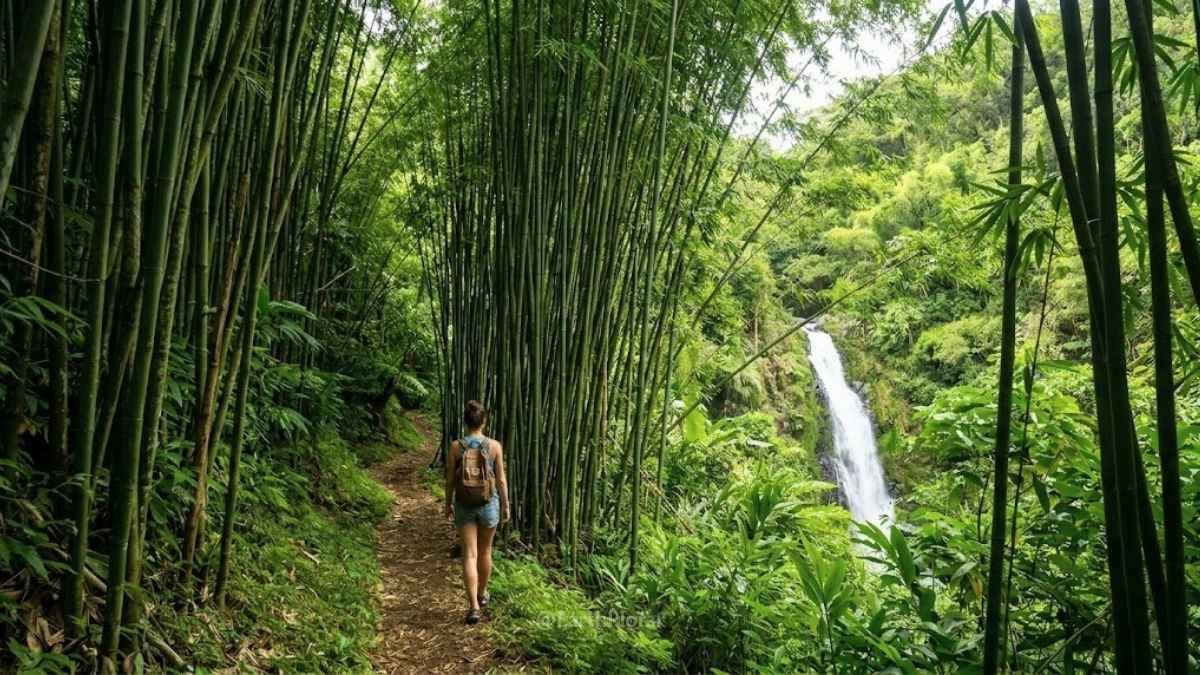
Essential stops:
- Wai’anapanapa State Park — dramatic black sand beach + sea caves (reserve in advance at gostateparks.hawaii.gov)
- Twin Falls — easy 20-minute walk to a stunning double waterfall; great for all fitness levels
- Wailua Falls — roadside viewpoint for a classic plunge waterfall
- ‘Ohe’o Gulch (Seven Sacred Pools) — requires a short hike, absolutely worth it
Local tip: Leave before 7am. Tour vans clog the road by 9am. Drive east in the morning and return via the south coast back road (Piilani Highway) for a completely different experience.
Haleakalā National Park
Haleakalā’s summit at 10,023 feet is one of the most humbling places in the United States. The crater — 7 miles wide, 2,600 feet deep — looks like the surface of Mars. The sunrise here is among Hawaii’s most iconic experiences, but the park rewards a full day of exploration far more than a 5am alarm-and-leave visit.
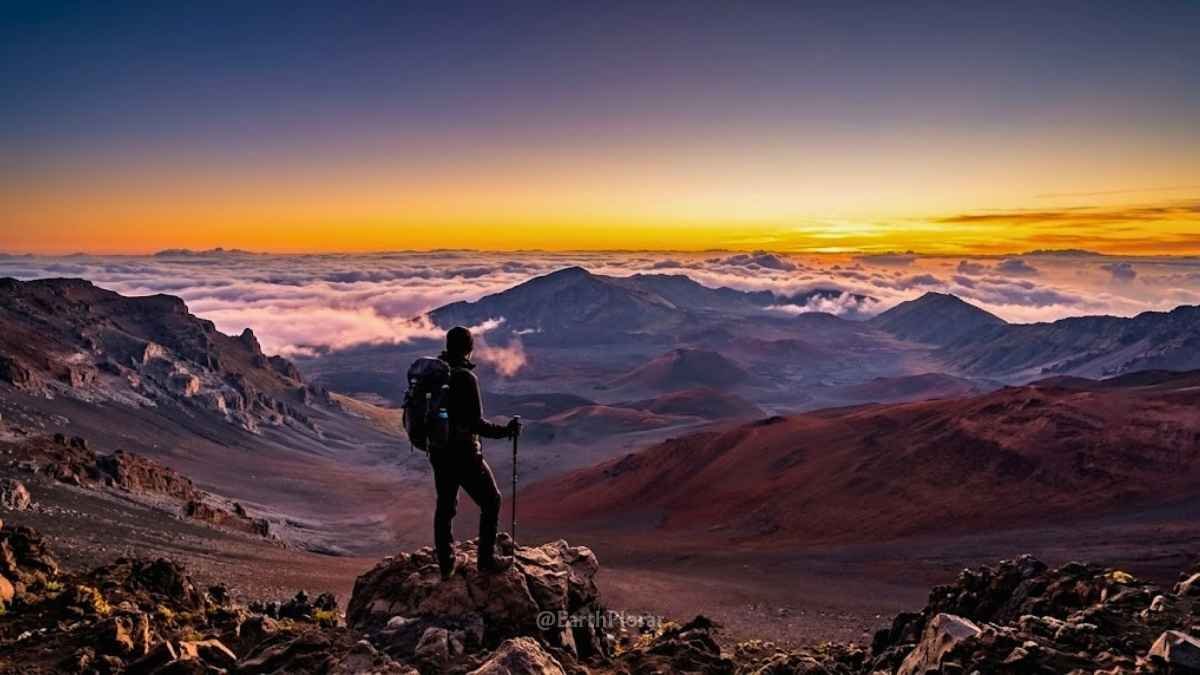
What to do:
- Sunrise viewing — mandatory reservation at recreation.gov (book 60 days ahead; these sell out in minutes)
- Sliding Sands Trail — descends 2,800 feet into the crater floor. Extraordinarily surreal.
- Halemau’u Trail — connects the crater rim to the crater floor via switchbacks
- Stargazing — the summit’s high altitude and minimal light pollution make it one of the best stargazing locations in the Northern Hemisphere
Conservation note: Haleakalā is home to the critically endangered silversword plant — found nowhere else on Earth — and the nēnē (Hawaiian goose), Hawaii’s state bird. Stay strictly on marked trails. These aren’t photo props; they’re survivors of centuries of habitat loss.
Ka’anapali and Wailea Beaches
Maui’s beaches divide roughly into the west shore (Ka’anapali, near Lahaina) and the south shore (Wailea). Both are exceptional; each has a distinct personality.
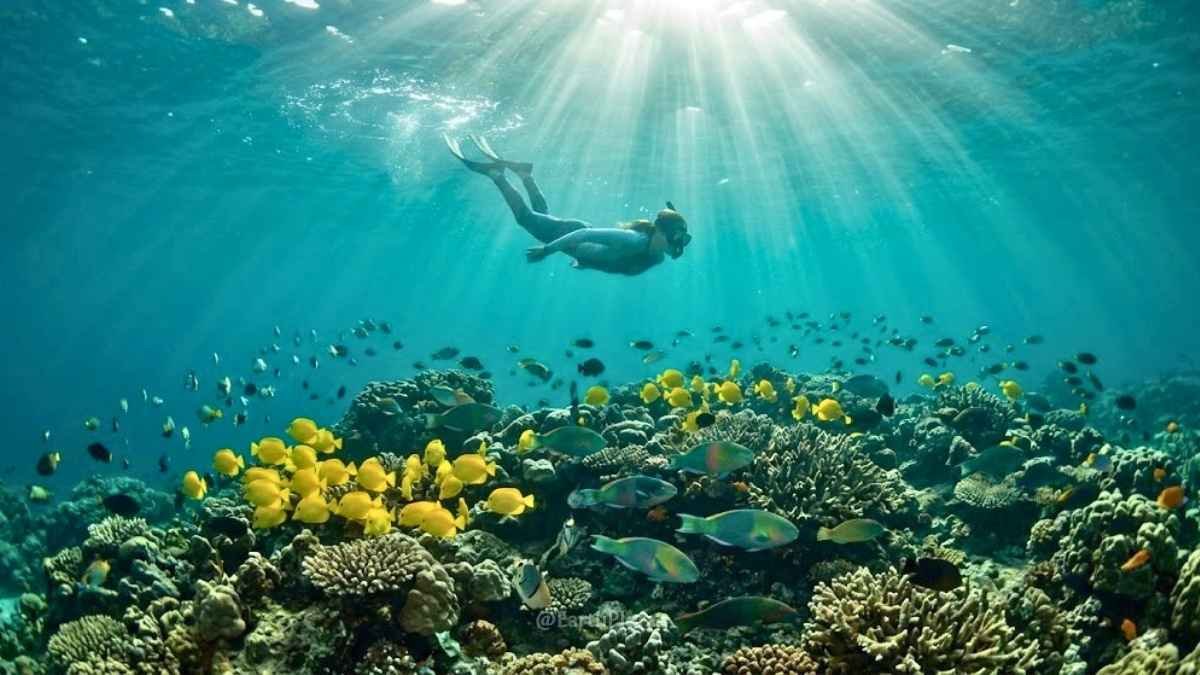
- Ka’anapali Beach — 3 miles of calm, swimmable water with excellent snorkeling at Black Rock (Pu’u Keka’a). Well-serviced, family-friendly.
- Wailea Beach — consistently ranked among the world’s best. Crystal-clear, less crowded than Ka’anapali, bordered by upscale resorts with public beach access.
Best snorkeling excursion: Molokini Crater, a half-submerged volcanic caldera 2.5 miles offshore, holds some of the clearest water in Hawaii — often 100+ foot visibility. Day-trip boats depart from Maalaea Harbor. Look for operators certified by the Hawaii Ecotourism Association — they cap group sizes and follow reef-safe protocols.
2026 note: The Lahaina Historic District, devastated by the August 2023 wildfire, remains in recovery. Tourism to the broader west Maui area is welcomed; the community is rebuilding. Spend money at local businesses. Skip gawking at the fire site — it’s a grief site, not an attraction.
2. Kauai — The Garden Isle
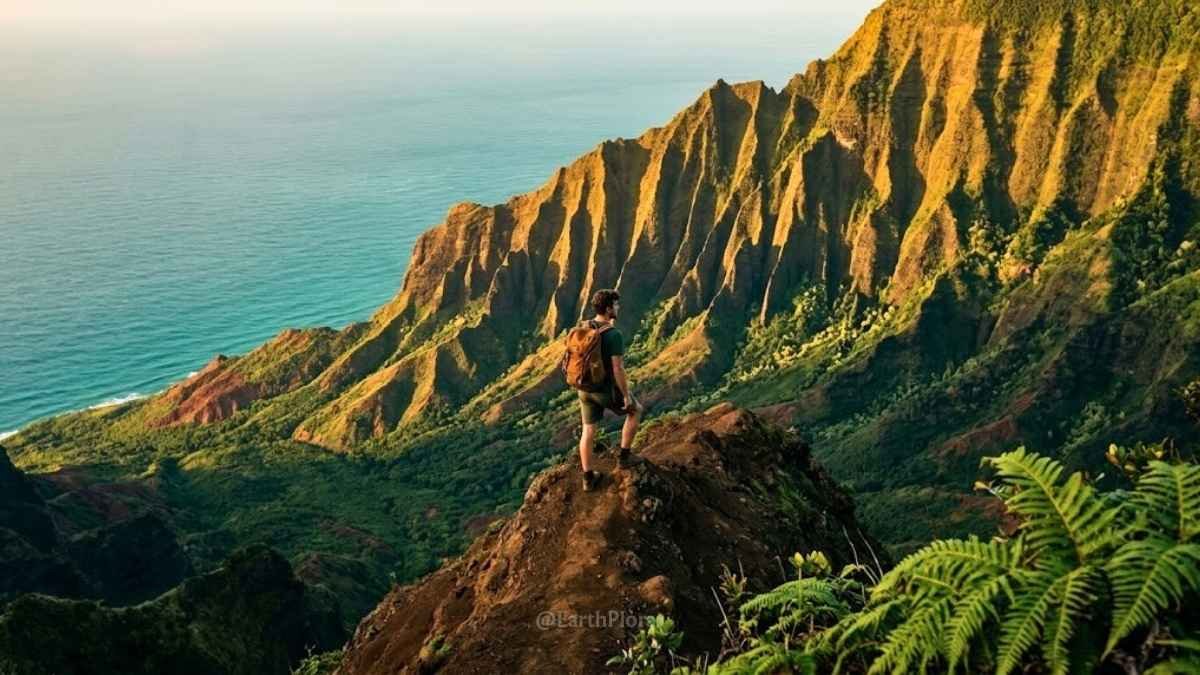
Kauai is the oldest of the main Hawaiian islands, shaped by 5 million years of erosion into something extraordinary: sheer emerald sea cliffs, red-earth canyons, waterfalls dropping from cloud-draped ridges, and a north shore so lush it was used as the filming location for Jurassic Park. It’s the least developed major island — intentionally so — and many experienced travelers consider it the single most beautiful place they’ve ever been.
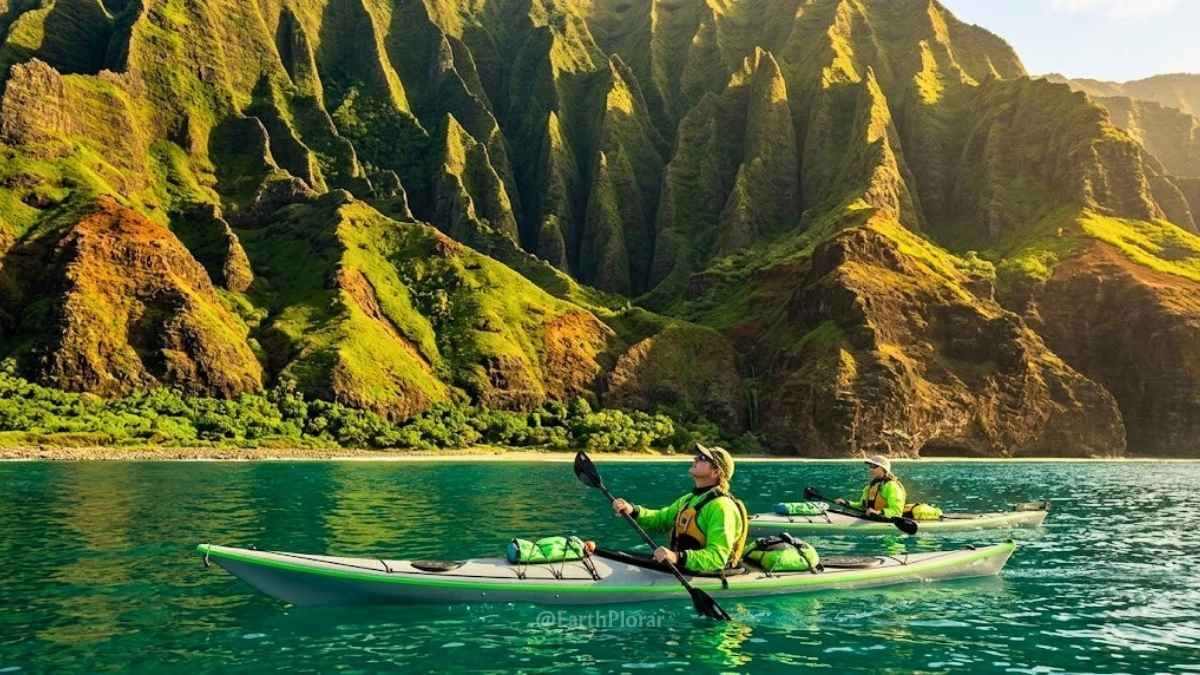
Nā Pali Coast
There are few stretches of coastline on Earth as dramatic as the Nā Pali Coast. Eleven miles of fluted sea cliffs rising up to 4,000 feet, sea caves, waterfalls, and hidden valleys — accessible only by boat, kayak, or on foot. There are no roads here. That’s the entire point.
Three ways to experience it:
| Method | Distance/Duration | Permit Required | Best For |
|---|---|---|---|
| Kalalau Trail (full) | 11 miles one-way | Yes — gohaena.com | Experienced hikers |
| Hanakapiai Beach hike | 2 miles one-way | No | Day hikers |
| Boat/kayak tour | Half or full day | No | Everyone |
Trail permit tip: Kalalau permits open 90 days in advance and sell out in under an hour. Set a calendar reminder and be online at midnight HST on the opening date.
Waimea Canyon
Called the “Grand Canyon of the Pacific,” Waimea Canyon is 14 miles long, one mile wide, and 3,600 feet deep — spectacularly red and orange against Kauai’s dominant green. It’s one of the most visually jarring landscapes in Hawaii, the kind of place that makes visitors stop mid-sentence.
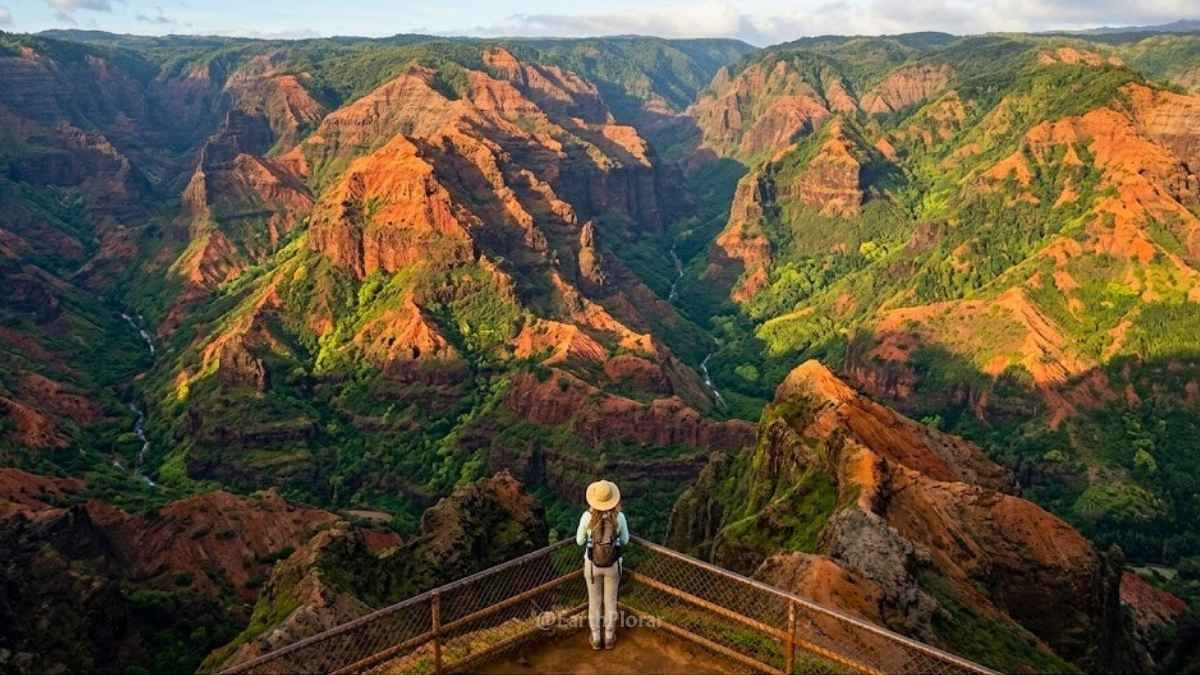
Best hike: The Kukui Trail descends 2,200 feet to the canyon floor. Strenuous. Bring 3+ liters of water. The views from the top are stunning even if you don’t descend.
Lookout points: Waimea Canyon Lookout and Pu’u O Kila Lookout (at road’s end, where clear days offer views into the Kalalau Valley) are both accessible by car and worth every minute.
Poipu and Tunnels Beach
Poipu Beach (south shore): Reliable year-round swimming and snorkeling. Hawaiian monk seals — one of the most critically endangered marine mammals on Earth, with only ~1,600 individuals remaining — regularly haul out here. Stay 50+ feet away. Do not photograph them up close. Federal fines for harassment reach $10,000.
Tunnels Beach (north shore): Among the island’s most pristine snorkeling when the north shore is calm (typically May–September). The underwater terrain — lava tubes, arches, dense reef — is exceptional.
3. Big Island (Hawai’i Island) — The Volcanic Frontier
The Big Island is geologically the youngest Hawaiian island, still actively growing. Lava last entered the ocean here in 2018. Nowhere else on Earth combines live volcanoes, a snow-capped 14,000-foot peak, black-sand beaches, green-sand beaches, world-class astronomy, and manta ray night dives on a single landmass. For the explorer who wants the world’s most extraordinary natural experiences concentrated in one place, the Big Island is unmatched.
Hawai’i Volcanoes National Park
This is one of the world’s most astonishing natural areas — full stop. Kīlauea, one of Earth’s most active volcanoes, and Mauna Loa, its largest, both sit within the park. The landscape feels alive because it is.
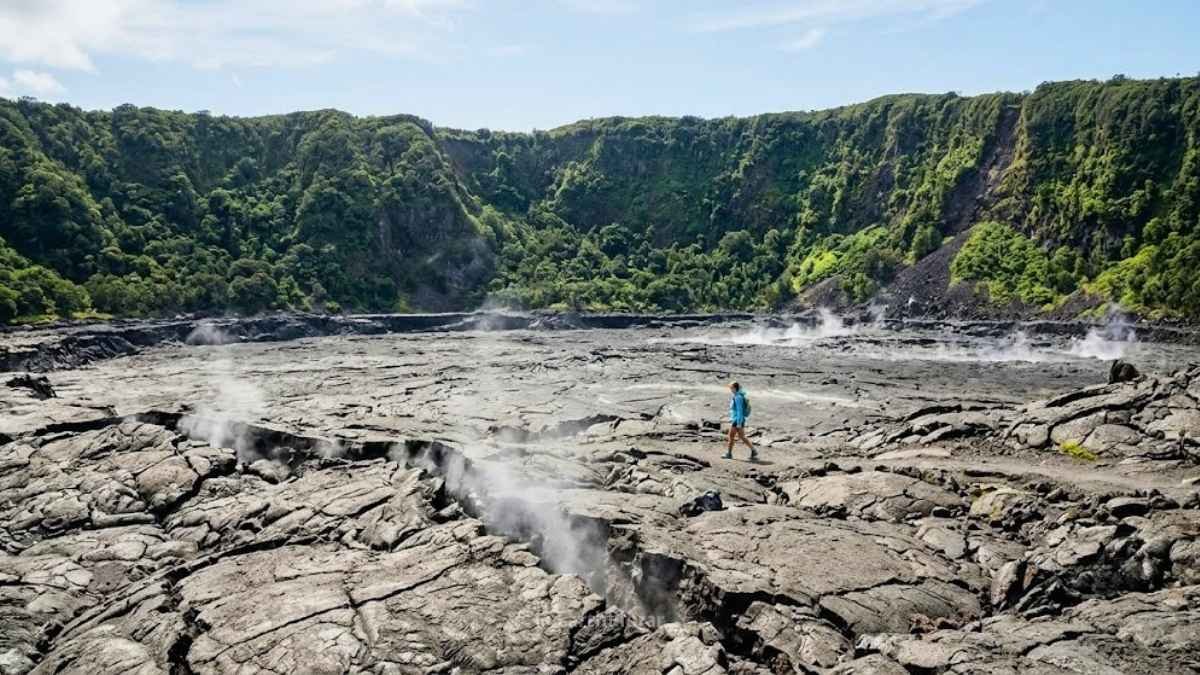
Essential experiences:
- Kīlauea Iki Trail (4 miles, loop): Descends into a hardened lava lake formed in 1959. The trail crosses the crater floor — one of the most surreal hikes in the world. Moderate difficulty, suitable for most hikers.
- Chain of Craters Road: A 20-mile scenic drive ending at the coast, passing vast lava fields, petroglyphs, and coastal overlooks. Free with park admission.
- Thurston Lava Tube: Walk through a 500-year-old lava tunnel. Accessible, family-friendly, genuinely cool (temperature and attitude).
- Halema’uma’u Crater: The active summit crater of Kīlauea. Volcanic activity changes constantly — check the USGS Hawaiian Volcano Observatory for current conditions before visiting.
Practical note: The park is 333,000 acres. Give it at least a full day. Two is better.
Mauna Kea Summit
At 13,803 feet, Mauna Kea is technically the tallest mountain on Earth measured from its oceanic base — taller than Everest by that measure. The summit hosts 13 of the world’s most advanced astronomical observatories and offers the clearest, darkest skies in the Northern Hemisphere.


How to visit:
- The Visitor Information Station at 9,200 feet (free, open daily 9am–10pm) runs ranger-led stargazing programs on clear nights — one of the best free experiences in all of Hawaii
- The summit road requires a high-clearance 4WD vehicle and is not suitable for rental cars (check your rental agreement)
- Acclimatize at the visitor center for at least 30 minutes before ascending further. Altitude sickness at 13,000+ feet is real and can be serious.
Cultural note: Mauna Kea is sacred to Native Hawaiians as the piko (umbilical cord) connecting earth and sky. It is also a site of active, ongoing dispute over telescope development. Visit with respect and awareness of this context.
Papakōlea Green Sand Beach and Punalu’u Black Sand Beach
The Big Island has beaches in colors that don’t exist elsewhere:
Papakōlea Green Sand Beach: One of only four green-sand beaches on Earth. The green color comes from olivine crystals eroding from the surrounding cinder cone. Getting there requires a 2.5-mile walk each way from the trailhead. Skip the unofficial ATV rides — they actively damage the fragile ecosystem and are technically operating without authorization.
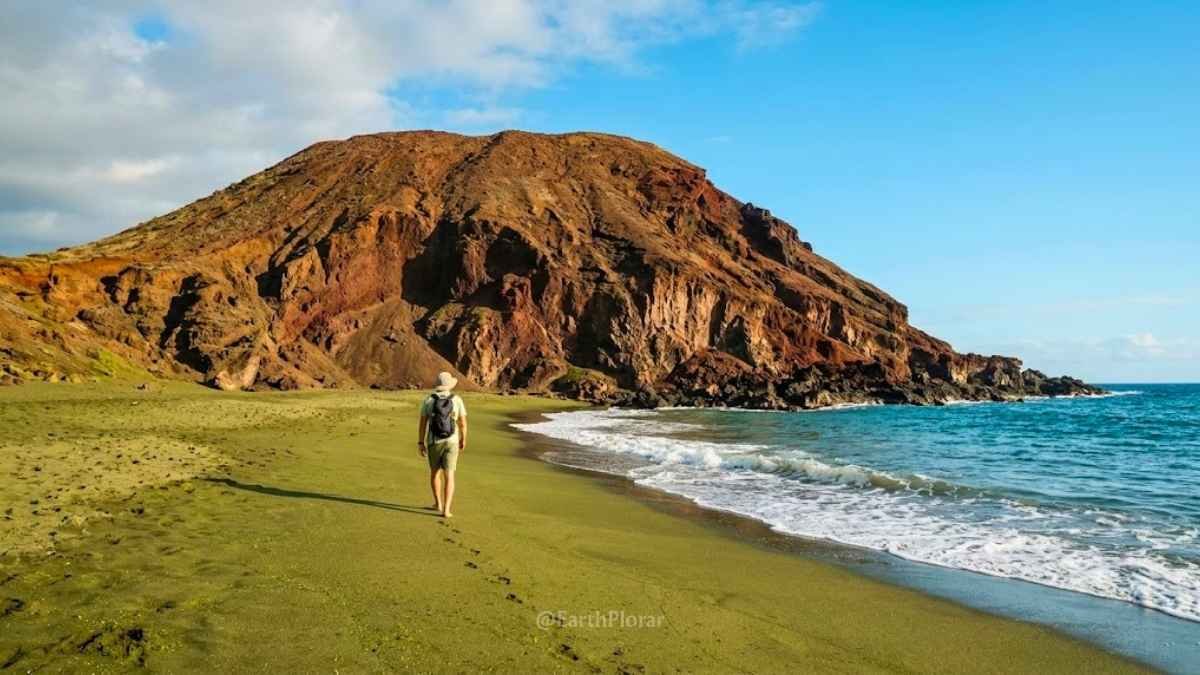
Punalu’u Black Sand Beach: Formed from cooled lava, this beach is a regular nesting and resting site for endangered hawksbill and green sea turtles. They haul out here regularly. It is illegal under federal law to approach, touch, or disturb them. Watch from a respectful distance. The experience of watching a sea turtle sleep on black volcanic sand, unbothered, is more powerful than any photograph you’d get by crowding them.
Manta Ray Night Dive (Kona Coast)
One of the most extraordinary wildlife experiences anywhere in the world. Operators run snorkeling and diving tours to a site off the Kona coast where manta rays — some with wingspans over 15 feet — feed on plankton attracted by dive lights. Guests float on the surface holding onto an illuminated board; the mantas pass inches beneath you. Consistently described as life-changing by first-timers. Choose operators certified by the Manta Ray Advocates program for best practices.
4. Oahu — The Heartbeat of Hawaii
Oahu gets dismissed as “too touristy” by travelers who’ve never gotten past Waikiki. That’s a lazy read. Yes, the strip is crowded. But Oahu also holds Hawaii’s most powerful historical sites, the world’s most famous surf break, some of the best food in the Pacific, and enough wild coastline and mountain interior to fill a week of genuine adventure.
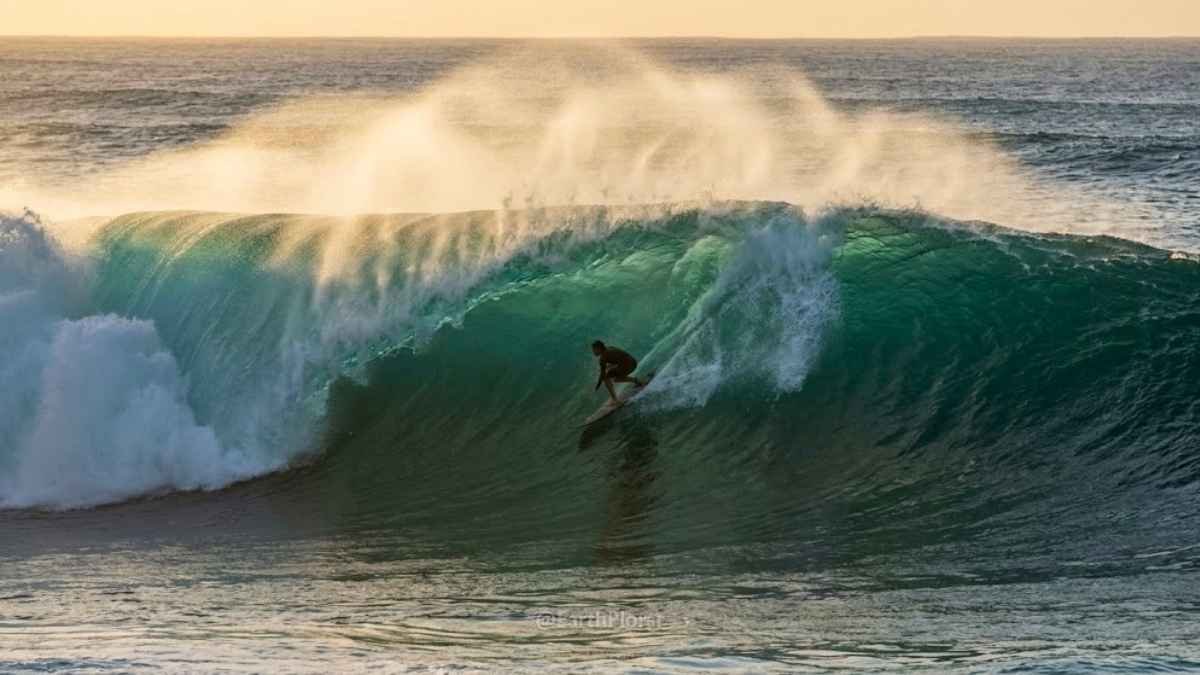
North Shore
From November through February, the North Shore hosts the largest rideable waves on the planet. The Banzai Pipeline — a thick, hollow, terrifyingly fast reef break — draws the world’s elite surfers and tens of thousands of spectators. Sunset Beach and Waimea Bay round out a stretch of coastline that collectively defines big-wave surfing.
Outside of swell season (roughly May–September), the same beaches calm down to flat, swimmable, snorkeling-friendly conditions. The surf town energy of Haleiwa remains all year.
Don’t miss:
- Ted’s Bakery (garlic shrimp plate lunch; haupia cream pie)
- Matsumoto Shave Ice (the original — lines are worth it)
- Waimea Valley Botanical Garden — a lush 1,875-acre cultural park with a swimmable waterfall
Diamond Head State Monument
Yes, it’s on every tourist itinerary. It deserves to be. The 1.6-mile roundtrip hike to the summit rim of this extinct volcanic crater takes 60–90 minutes and delivers panoramic views of Honolulu, Waikiki Beach, and the Pacific. Go at sunrise or late afternoon.
Reserve in advance: Parking and entry both require advance booking at dlnr.hawaii.gov. Walk-ups are no longer accommodated.
Hanauma Bay Nature Preserve
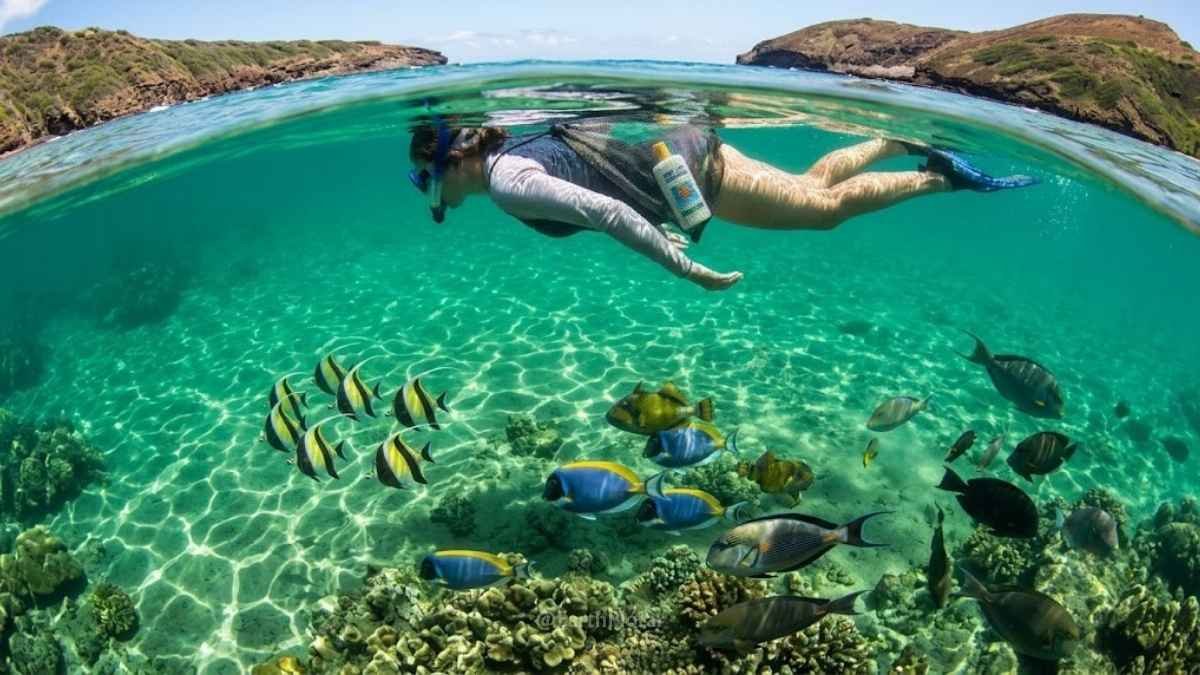
In the 1990s, Hanauma Bay was being loved to death — unregulated crowds were destroying the reef. The state closed it entirely for two years in 1990, overhauled the visitor model, and today it operates as one of Hawaii’s most successful conservation stories. Visitor numbers are strictly capped. An educational video is mandatory before entry. The reef is actively recovering.
The snorkeling is among Oahu’s best — fish are unhurried and close, coral is vibrant in the shallower areas, and the crescent bay protects against currents.
Book exactly 2 days ahead: Reservations open online at midnight, 2 days in advance, and sell out within minutes. Book at hanaumabaystatepark.com.
Pearl Harbor National Memorial
Pearl Harbor is not an attraction in the conventional sense. It is a memorial site — and approaching it as one transforms the experience. The USS Arizona Memorial (free, boat access, timed entry required) sits above the sunken battleship, which still leaks oil today. The oil slicks on the surface are called “black tears.”
Reserve timed entry tickets at recreation.gov well in advance. Arrive early; the full site — including the Battleship Missouri, Bowfin Submarine, and Aviation Museum — deserves a full day.
Pu’u O Mahuka Heiau State Historic Site
This is Oahu’s most overlooked significant site. Pu’u O Mahuka Heiau is the largest heiau (Hawaiian temple) on Oahu, perched on a bluff above Waimea Bay with sweeping North Shore views. It dates to the 17th century and carries real cultural weight. Approach it as a place of meaning, not a photo stop — read the posted interpretive signs, observe the active offerings, and leave with more than you arrived with.
5. Molokai — Authentic Hawaii
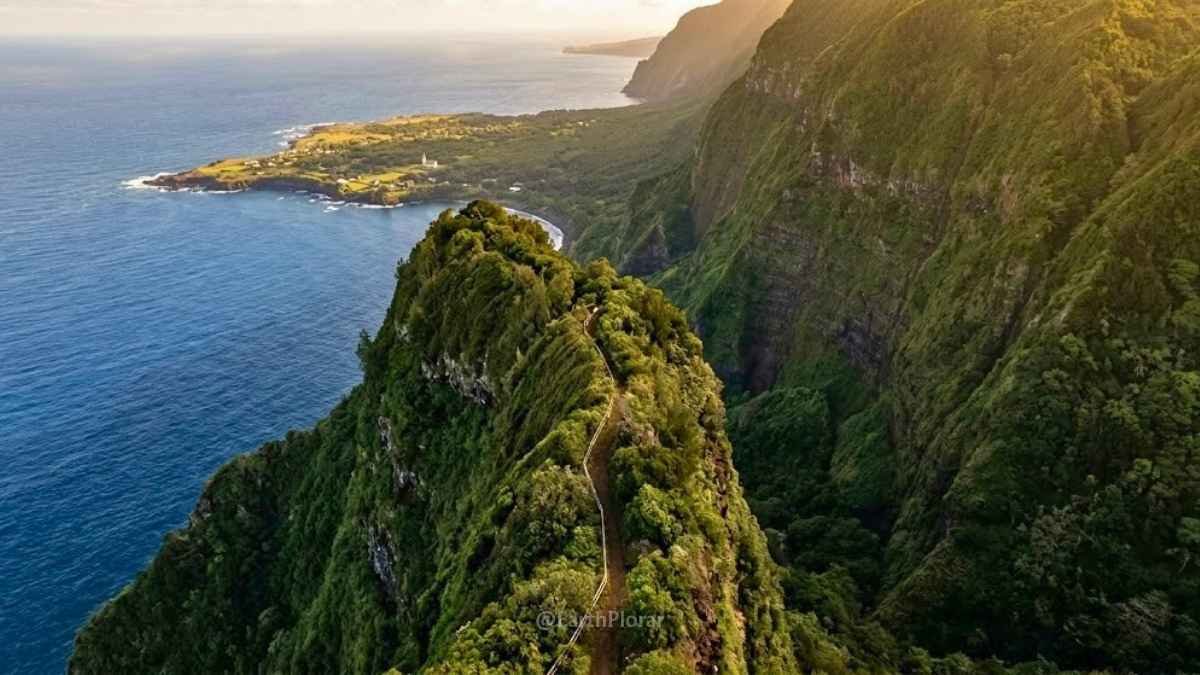
Molokai doesn’t perform for tourists. There are no traffic lights, no chain hotels, no resort areas. The world’s tallest sea cliffs are here. The highest percentage of Native Hawaiian residents of any island is here. The pace is slow, the land is largely undeveloped, and the community has actively chosen to keep it that way.
This is not an island you visit for nightlife or luxury. You visit Molokai to understand what Hawaii was before mass tourism reshaped it — and to support a community that has drawn a deliberate line between authenticity and commodification.
Essential experience: Kalaupapa National Historical Park, carved into the base of those impossibly tall sea cliffs, preserves the site of a former leprosy (Hansen’s disease) quarantine colony where patients were exiled from 1866 until 1969. The history is devastating and essential. Access is by guided tour only (mule ride, trail, or small plane). Learn more at nps.gov/kala.
6. Lanai — Luxury and Solitude
Lanai is small, quiet, and unusual. Most of the island is owned by tech billionaire Larry Ellison, and two Four Seasons resorts serve the majority of visitors. That said, Lanai has something the others don’t: genuine, strange, empty landscapes that feel forgotten by time.
Keahiakawelo (Garden of the Gods): A surreal, wind-sculpted badlands of red and ochre boulders, accessible via a dirt road. Entirely free, entirely otherworldly. Best at sunrise or sunset.
Hulopoe Bay: One of Hawaii’s most beautiful and least crowded beaches. Spinner dolphins visit the bay regularly in the mornings. The Four Seasons runs a non-guest beach access policy — confirm details before visiting.
How to Choose Your Hawaiian Island
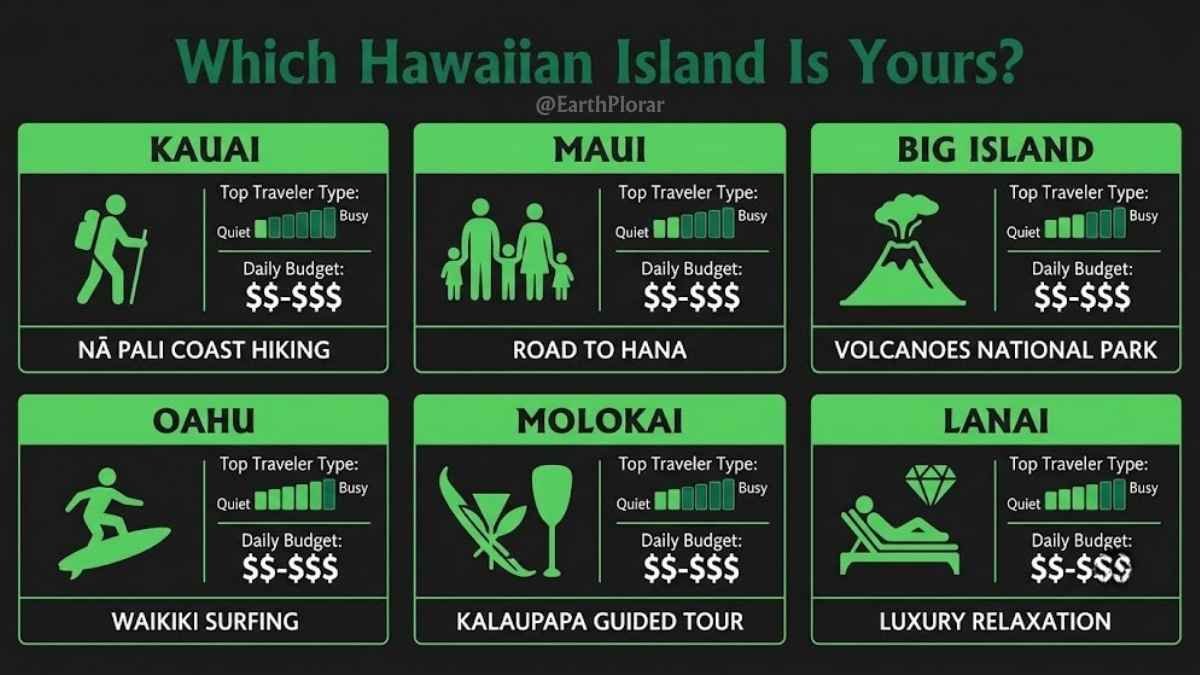
| Island | Best For | Crowd Level | Avg. Budget/Day (Per Person) | Top Experience |
|---|---|---|---|---|
| Maui | First-timers, families, beach variety | High | $250–$400 | Road to Hana + Haleakalā |
| Kauai | Hikers, nature seekers, photographers | Moderate | $200–$350 | Nā Pali Coast |
| Big Island | Volcano trekkers, stargazers, divers | Moderate | $180–$300 | Volcanoes NP + Mauna Kea |
| Oahu | Culture, history, surf, urban + nature | Very High | $200–$350 | North Shore + Pearl Harbor |
| Molokai | Cultural immersion, solitude | Very Low | $130–$250 | Kalaupapa NHP |
| Lanai | Luxury, seclusion, unique landscapes | Low | $400–$700+ | Keahiakawelo |
Budget estimates include accommodation, food, and core activities. Hawaii is expensive. $150/day is the realistic minimum outside peak season on the more affordable islands.
Best Time to Visit Hawaii
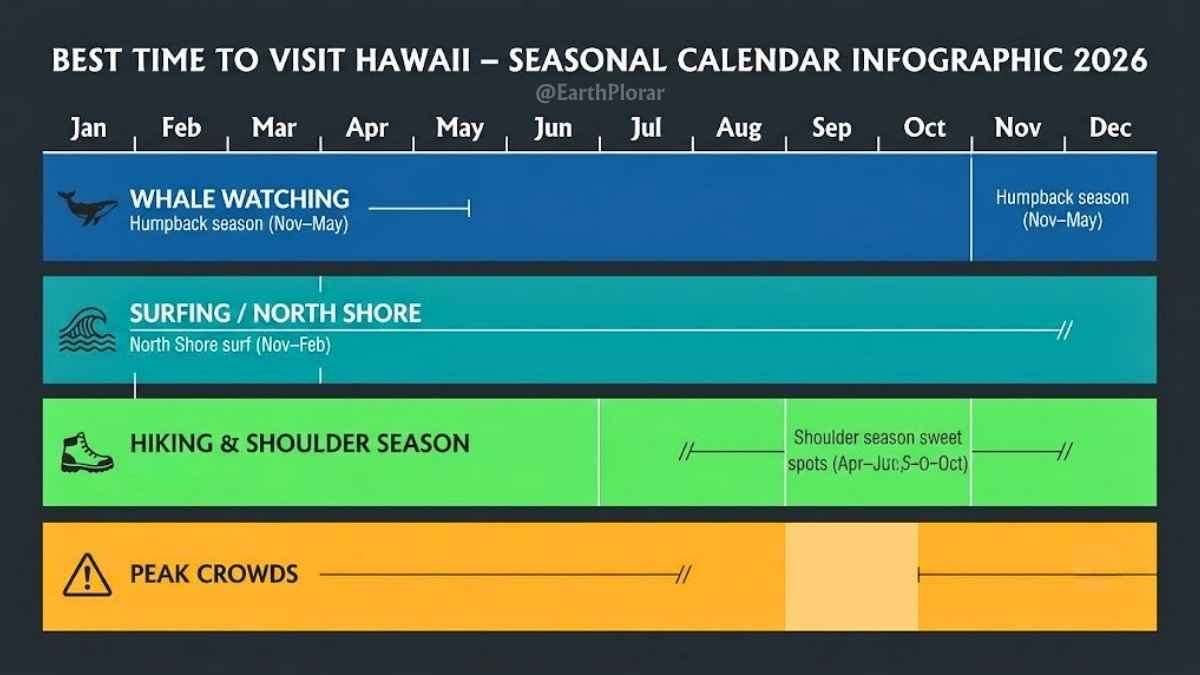
Hawaii has genuinely good weather year-round, but timing shapes your experience significantly:
| Season | Months | Conditions | Best For |
|---|---|---|---|
| Sweet Spot | April–June | Warm, dry, crowds thinning, prices dropping | First-timers; best overall value |
| Peak Season | July–August | Hot, crowded, expensive | Families (school holidays) |
| Second Sweet Spot | September–October | Warm, less crowded, great value | Budget travelers, couples |
| Whale Season | November–March | Some rain on windward coasts; whales and big surf | Wildlife watchers, surfers |
Humpback whale tip: The AuAu Channel between Maui, Lana’i, and Moloka’i is one of the world’s most important humpback nursery areas. Peak activity is January–March. Any responsible operator in Maui will get you close encounters — the whales often approach boats voluntarily.
Sustainable Travel in Hawaii: What Every Visitor Should Know
Hawaii’s ecosystems are among the most fragile on Earth. The islands have the highest rate of endemic species — and the highest rate of extinction — of any place in the United States. Roughly 25% of all bird extinctions in US history have occurred in Hawaii. As travelers, we carry real responsibility here.
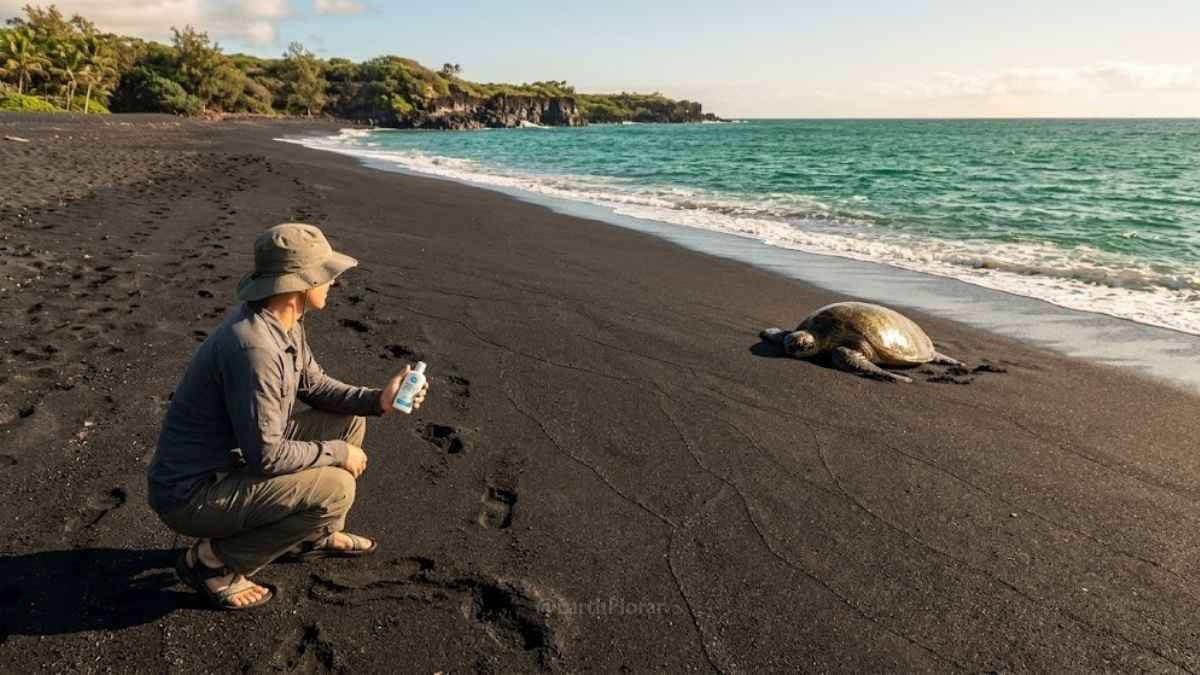
Non-negotiables:
- Use mineral sunscreen only. Chemical sunscreens (oxybenzone, octinoxate) are banned by Hawaii state law — they destroy coral reefs. Use zinc oxide or titanium dioxide-based SPF. Hawaii prohibits their sale; don’t bring them from home either.
- Stay on marked trails. Your boots carry seeds. Trampling native vegetation introduces invasive species that can devastate endemic ecosystems in months.
- Never feed, touch, or closely approach marine wildlife. Hawaiian monk seals, green sea turtles (honu), and spinner dolphins are all federally protected species. Fines for harassment can reach $10,000.
- Buy local, eat local. Hawaii imports over 85% of its food. Supporting local farmers markets, food trucks, and independent restaurants actively reduces the island’s carbon footprint and keeps money in the community.
- Respect heiau and sacred sites. Many natural features — lava rocks, beach stones, plant species — hold deep cultural significance. The practice of taking rocks from Hawaii is both culturally disrespectful and, practically speaking, illegal in national and state parks.
- Respect marine reservations and permit requirements. They exist because over-visitation has damaged these sites in the past. Hanauma Bay, Kalalau Trail, and Haleakalā sunrise are all actively managed for recovery.
For deeper reading, see our guide to Responsible Travel in Indigenous Territories and our Ethical Wildlife Tourism guide.
FAQ: Best Places to Visit in Hawaii
What is the most beautiful island in Hawaii?
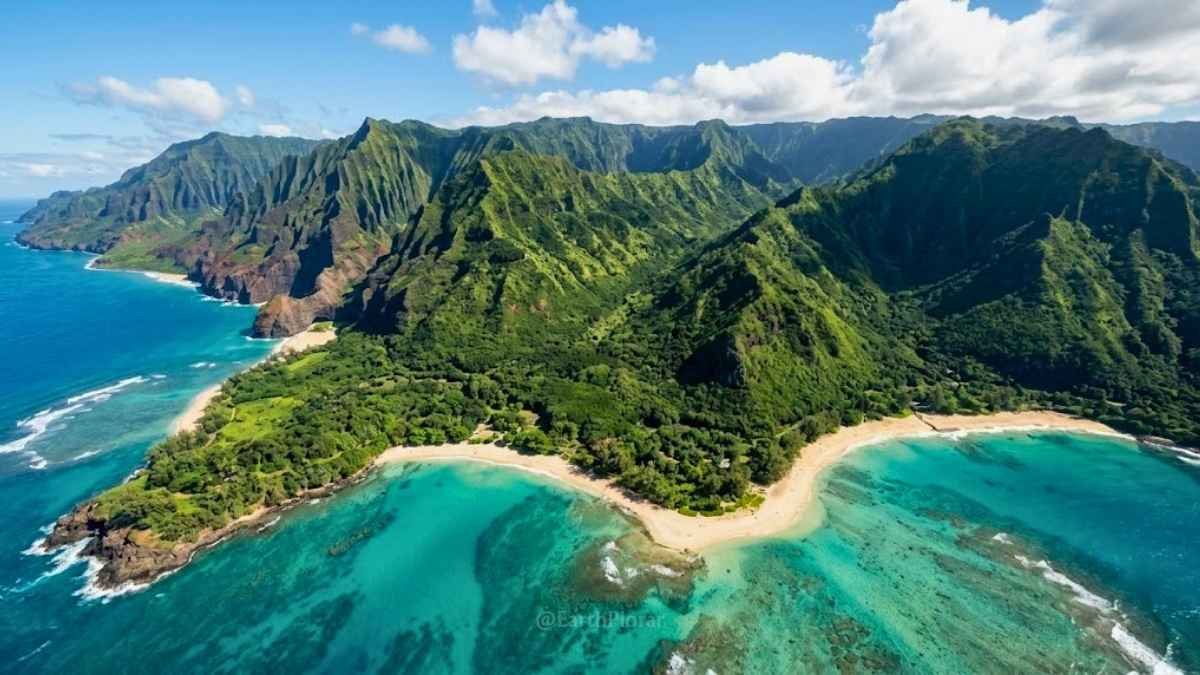
Most experienced multi-island visitors name Kauai as the most visually stunning. Its combination of the Nā Pali Coast’s cathedral sea cliffs, Waimea Canyon’s red-earth grandeur, and its cloud-wrapped, waterfall-laced north shore makes it arguably the most dramatic natural landscape in the entire United States. That said, the Big Island’s volcanic terrain and Maui’s diverse landscapes rival Kauai for different reasons — beauty here is genuinely subjective.
What is the best island to visit in Hawaii for first-timers?
Maui is the most consistently recommended choice for a first Hawaii trip. It balances accessible beaches, an iconic volcano summit (Haleakalā), the legendary Road to Hana, excellent snorkeling, and a well-developed tourist infrastructure — without the urban density of Oahu. Oahu is an equally valid choice if cultural depth, historical sites like Pearl Harbor, and a broader range of dining and activities matter more to you.
What are the best places to visit in Hawaii for hiking?
Kauai offers the most dramatic hiking, led by the legendary 11-mile Kalalau Trail along the Nā Pali Coast. The Big Island’s Hawai’i Volcanoes National Park contains the world’s most unique trail terrain — across hardened lava lakes and through active volcanic craters. Maui’s Haleakalā Sliding Sands Trail offers high-altitude crater hiking unlike anything else in the islands.
Is Hawaii worth visiting on a budget?
Yes — but it requires honest planning. Hawaii is expensive; $150–$200 per person per day is the realistic minimum. Costs come down significantly if you: book accommodations early (vacation rentals outside resort corridors are 30–50% cheaper than hotels), cook 1–2 meals daily using local markets, and focus on free natural attractions. Most beaches, state parks, and many heiau sites are free. Molokai and the Big Island are the most affordable islands overall. Avoid July–August pricing if budget is a priority.
What Hawaiian island has the best snorkeling?
Maui’s Molokini Crater delivers world-class snorkeling in 100-foot visibility water. Oahu’s Hanauma Bay is exceptional for beginners and species diversity. On the Big Island, Kealakekua Bay — a marine preserve accessible by kayak or boat tour — offers outstanding reef health and frequent spinner dolphin encounters. Kauai’s Tunnels Beach (north shore, calm conditions only, May–September) is arguably the most pristine in the islands.
When is the best time to see humpback whales in Hawaii?
Humpback whales migrate to Hawaiian waters from November through May, with peak activity January–March. Maui’s Ma’alaea Bay and the AuAu Channel between Maui, Lana’i, and Moloka’i form one of the world’s most important humpback nursery areas. Responsible operators like Pacific Whale Foundation follow NOAA approach guidelines — choose them over operators who allow guests to swim with or approach whales.
Are there still undiscovered or crowd-free places in Hawaii?
Yes. Molokai remains genuinely off the tourist radar and rewards deliberate effort. On the Big Island, the Puna district (east coast) is wild, culturally rich, and rarely visited by outsiders. Kauai’s Wailua River valley contains ancient cultural sites most visitors drive past without stopping. And Lanai — reachable via a 45-minute ferry from Maui — remains remarkably quiet despite its luxury reputation.
Final Thoughts: Hawaii Is More Than a Vacation {#conclusion}
The best places to visit in Hawaii aren’t the most Instagrammed beaches or the most-reviewed resorts. They’re the places that make you stop, breathe, and realize you’re standing on something genuinely ancient, alive, and worth protecting.
Here’s what to take away from this guide:
- Match the island to your travel style. There’s no universally “best” island — Kauai is for wild nature lovers, Maui for first-timers and families, the Big Island for volcano chasers and stargazers, Oahu for cultural depth and surf, Molokai for authenticity.
- Book permits and reservations well in advance. Hanauma Bay, Diamond Head, Haleakalā sunrise, and the Kalalau Trail all sell out fast — sometimes in minutes. Plan 60–90 days ahead.
- Travel responsibly. Mineral sunscreen, trail discipline, wildlife distance rules, and local spending aren’t suggestions — they’re the difference between a traveler and a tourist.
- Go beyond the obvious. The Road to Hana is famous for a reason. But the monk seals at Poipu, the olivine cliffs at Papakōlea, and the silence of Kalaupapa are just as extraordinary — with a fraction of the crowd.
- Give each island time. Rushing four islands in seven days is a common mistake. Two islands done slowly, with space to wander and get lost, will outperform four islands done fast every single time.
Useful External Resources:
- Hawaii Tourism Authority — official travel planning portal
- USGS Hawaiian Volcano Observatory — real-time volcanic activity
- Go Haena Permit System — Kalalau Trail permits
- Hawaii DLNR State Parks — Diamond Head and other park reservations
- Hanauma Bay Reservations — snorkeling reservations
- Hawaii Ecotourism Association — certified sustainable operators
- Manta Ray Advocates — responsible manta ray tour operators
- Kalaupapa NHP — NPS — Molokai’s historic settlement
Hawaii will change you. Arrive with humility. Leave it better than you found it.