








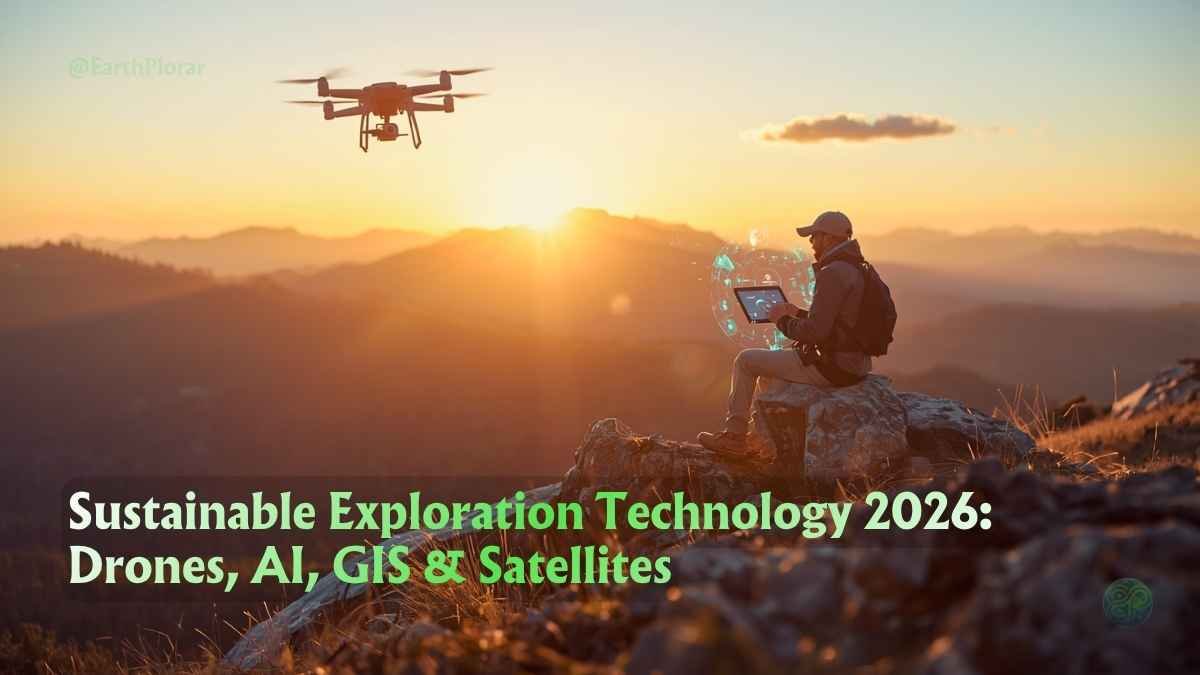
Explorers and conscious travelers seek ways to discover the world while protecting it. Sustainable exploration technology 2026 delivers exactly that. Innovative tools like drones, AI, GIS, and satellite systems now empower mindful adventurers to minimize their footprint, support conservation, and gain deeper insights into natural wonders.
EarthPlorar.com celebrates this exciting shift. These technologies transform how we plan, experience, and contribute to eco-friendly adventures. They align perfectly with our mission of creative exploration and sustainable living.
Why Sustainable Exploration Technology Matters in 2026
Explorers face growing environmental pressures. Overtourism, climate change, and habitat loss challenge destinations worldwide. The sustainable exploration technology provides practical solutions. It helps travelers reduce carbon emissions, avoid sensitive areas, and actively support conservation.
Professionals and enthusiasts adopt these tools rapidly. Drones map remote trails without disturbance. AI predicts optimal low-impact routes. Satellite data reveals real-time ecosystem health. Explorers now make informed decisions that benefit both their journeys and the planet.
Drones: Eyes in the Sky for Responsible Adventure
Drones revolutionize sustainable exploration. They capture high-resolution imagery and collect data with minimal environmental disruption.
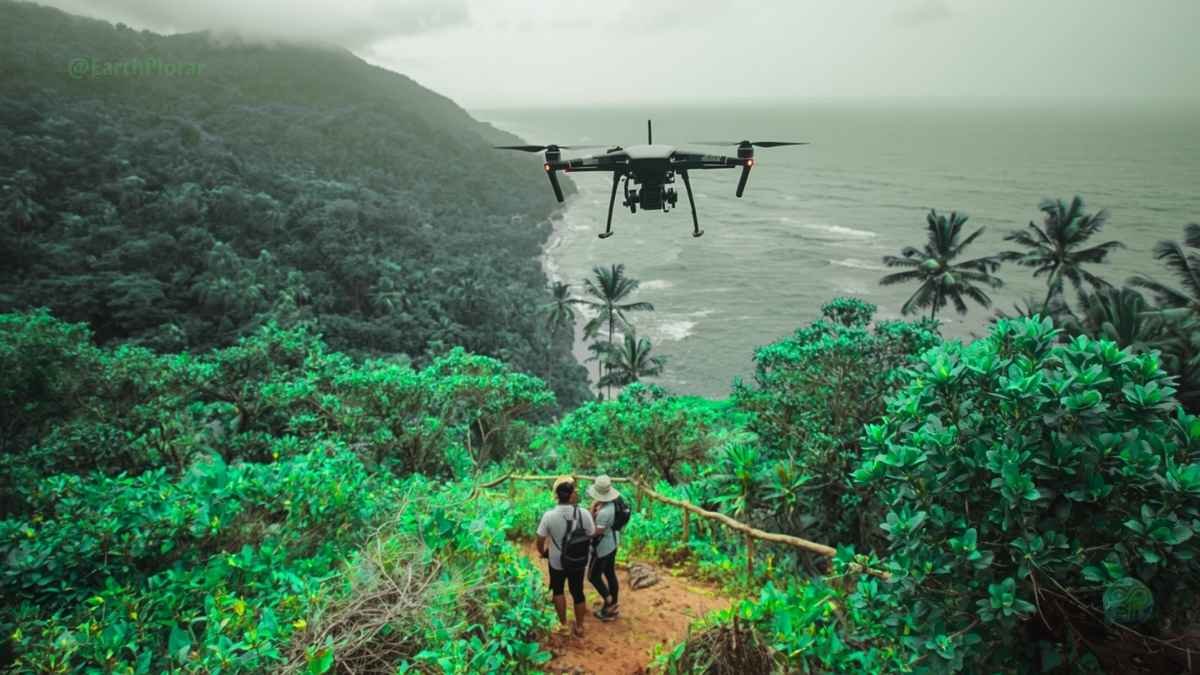
Practical Benefits for Explorers:
In wildlife conservation, drones track endangered species and combat poaching effectively. Conservation teams in Africa and Asia use thermal-equipped drones for night monitoring. This technology protects animals while allowing respectful observation by travelers.
Tip for EarthPlorar Readers
Choose lightweight, quiet drones certified for eco-use. Check local regulations before your trip. Pair your drone data with our eco-friendly packing guides for a seamless experience.
AI: Your Intelligent Guide to Low-Impact Journeys
Artificial intelligence personalizes and optimizes every aspect of sustainable travel. AI analyzes vast datasets to create custom itineraries that respect carrying capacities of destinations.
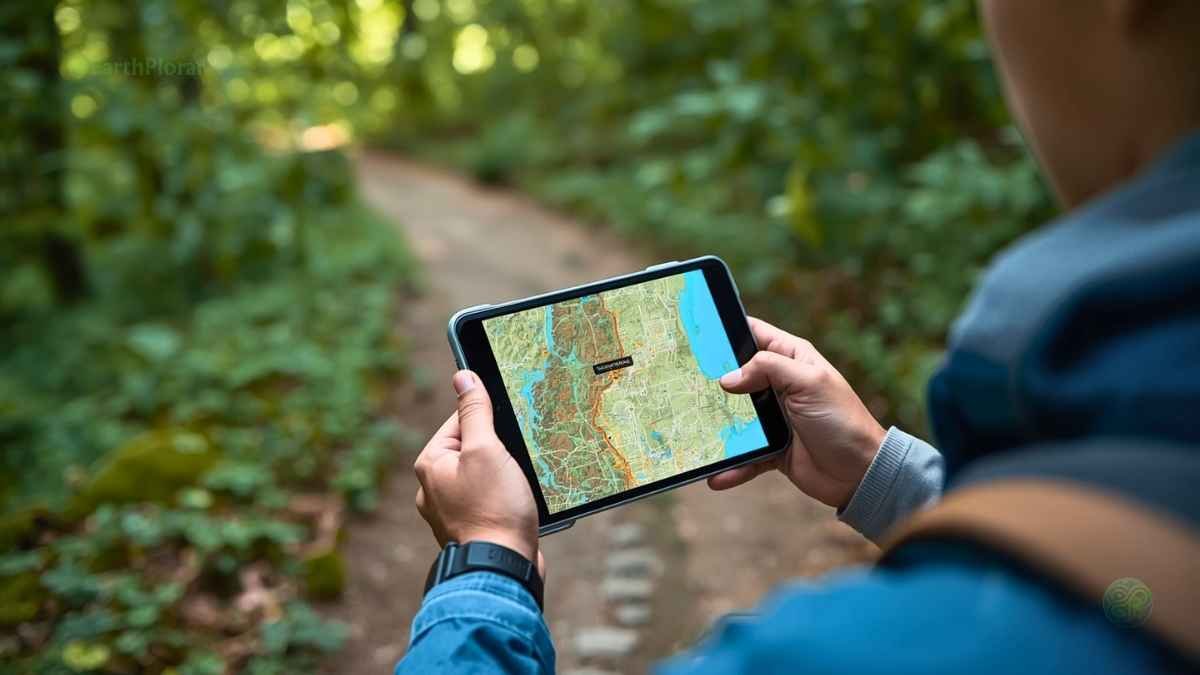
Key AI Applications in 2026:
AI-powered apps now suggest carbon-offset options and alert travelers to environmental risks, such as coral bleaching events. Explorers receive suggestions for regenerative activities, like community-led conservation projects.
Travelers report higher satisfaction with AI-assisted planning. They enjoy meaningful experiences while supporting local economies and ecosystems.
GIS and Satellite Tools: Mapping a Sustainable Future
Geographic Information Systems (GIS) combined with satellite imagery deliver powerful insights. These tools enable precise environmental monitoring and responsible destination planning.
Explorers access real-time data on forest health, water quality, and biodiversity hotspots. Satellite tools help identify pristine areas suitable for low-impact visits. They also flag regions needing recovery, guiding travelers away from vulnerable zones.
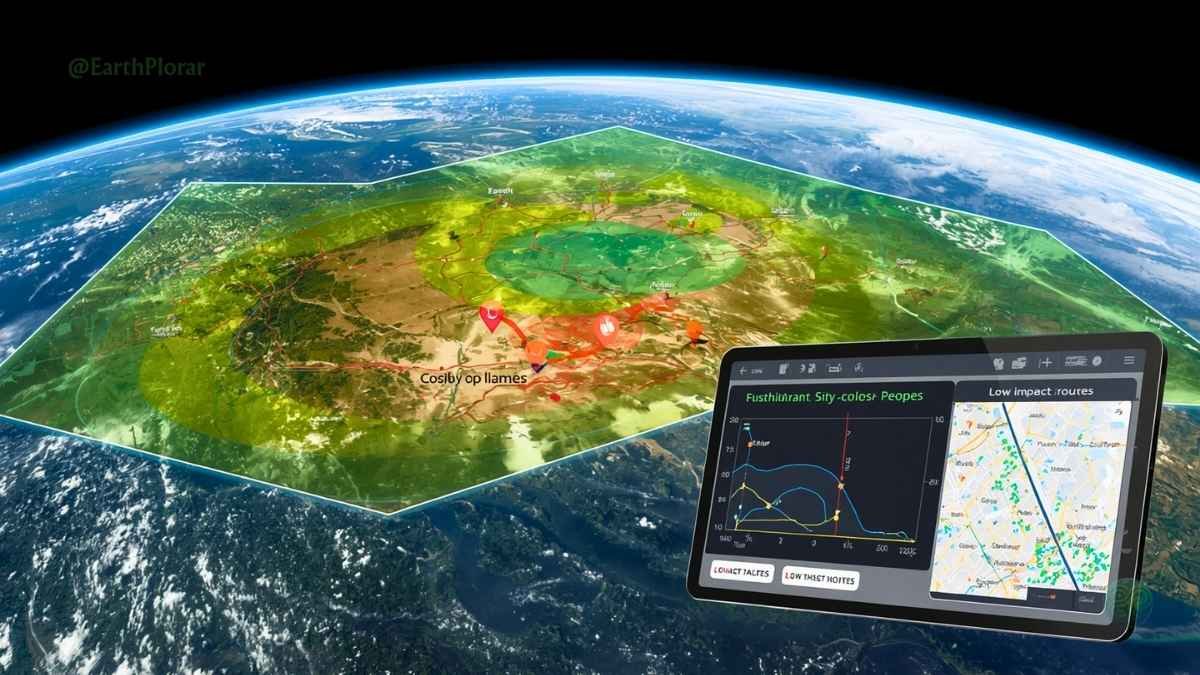
Real-World Impact:
Google Earth Engine and open Sentinel data empower independent explorers to analyze destinations before booking. This preparation leads to more thoughtful and rewarding adventures.
Integrated Tech: Creating Seamless Mindful Adventures
The true power emerges when these technologies work together. A drone collects imagery. AI processes it. GIS integrates it with satellite data. Explorers receive comprehensive, actionable insights on their smartphones or wearables.
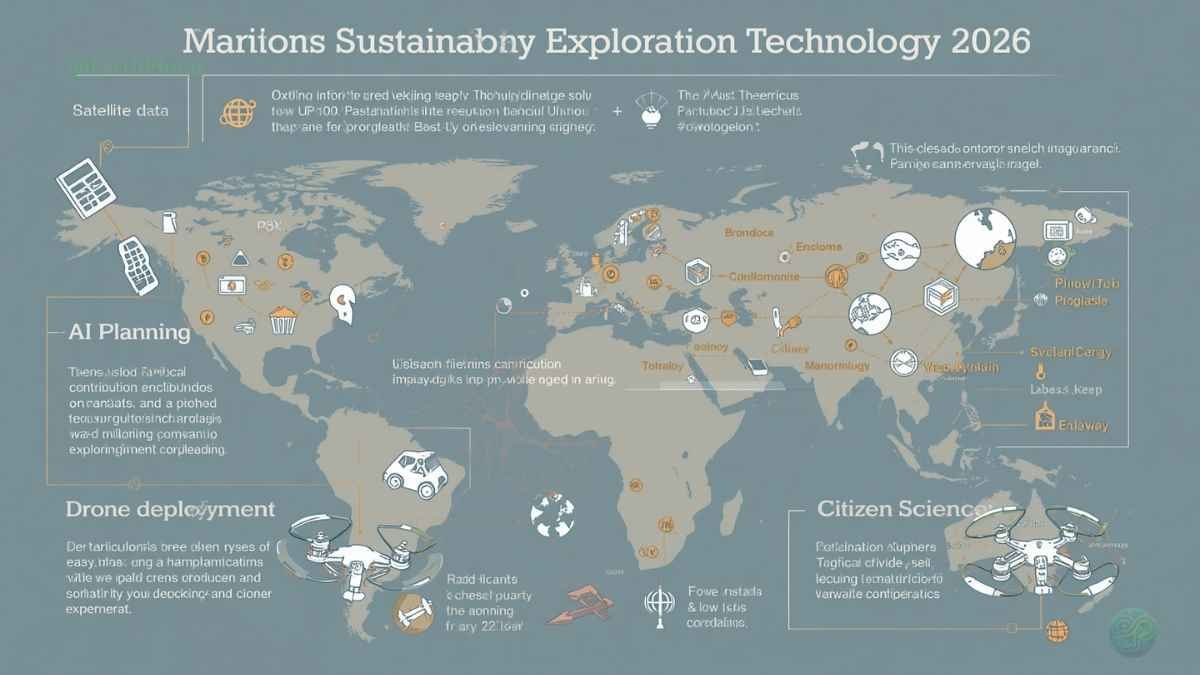
Example Workflow for a Sustainable Trek:
This integration reduces waste, enhances safety, and maximizes positive contributions. Many EarthPlorar community members already share success stories from tech-enhanced trips.
Practical Tips to Leverage Sustainable Exploration Technology 2026
Adopt these tools responsibly and effectively:
Explore our practical adventure tips and eco-friendly product recommendations for curated tools that match your exploration style. Check our comprehensive sustainable travel guides.
Challenges and Ethical Considerations
Technology brings challenges. Battery waste, data privacy, and unequal access require attention. Responsible explorers prioritize repairable devices, support open-source initiatives, and advocate for equitable technology distribution.
Communities near exploration sites must benefit from these tools. Ethical frameworks ensure technology empowers local voices rather than overriding them. EarthPlorar promotes approaches that center community leadership and cultural respect.
Future Outlook: 2026 and Beyond
By late 2026, expect more advanced integrations. Real-time AI agents will adjust plans dynamically based on weather and ecosystem feedback. Satellite constellations will offer even higher resolution for precise conservation monitoring. Drone swarms and edge AI will enable large-scale yet minimally invasive surveys.
These developments promise a new era of regenerative exploration. Travelers will leave places better than they found them through informed, tech-supported actions.
Frequently Asked Questions (FAQs)
What is sustainable exploration technology 2026?
Sustainable exploration technology 2026 refers to advanced tools like drones, AI, GIS, and satellites that help travelers explore responsibly. These technologies minimize environmental impact while enhancing experiences and supporting conservation efforts.
How do drones support eco-friendly travel?
Drones provide aerial data without disturbing wildlife or terrain. Explorers use them for mapping, monitoring, and safe scouting, which reduces the need for large groups or heavy equipment in sensitive areas.
Can AI really help reduce my travel carbon footprint?
Yes. AI optimizes routes, predicts low-crowd periods, and recommends sustainable options. It can cut emissions through smarter planning and resource management.
What free tools can beginners use for sustainable exploration?
Start with Google Earth Engine for satellite data, free AI planning tools, and open GIS apps. Many smartphone apps now integrate these features for easy access.
Are there risks to using technology in remote exploration?
Yes. Over-reliance can reduce traditional skills. Battery disposal and data privacy matter. Always carry backup analog tools and follow ethical guidelines.
How can I contribute to conservation using these technologies?
Upload drone or smartphone observations to citizen science platforms like iNaturalist. Support operators that use tech for monitoring. Share your learnings through responsible storytelling on platforms like EarthPlorar.com.
Final Thoughts
Sustainable exploration technology 2026 empowers you to explore deeper with a lighter footprint. Drones, AI, GIS, and satellite tools provide unprecedented capabilities to understand, protect, and enjoy our planet. These innovations make mindful adventures more accessible, effective, and inspiring than ever before.
You hold the power to shape the future of exploration. Embrace these tools thoughtfully. Choose experiences that regenerate rather than deplete. Share your discoveries responsibly.
Ready to begin your next mindful journey? Visit our Adventure Exploration section for destination guides, explore the Sustainable Living hub for practical tips, or subscribe to EarthPlorar.com for regular updates on innovative eco-tools and transformative travel stories. Together, we create a legacy of responsible discovery.