








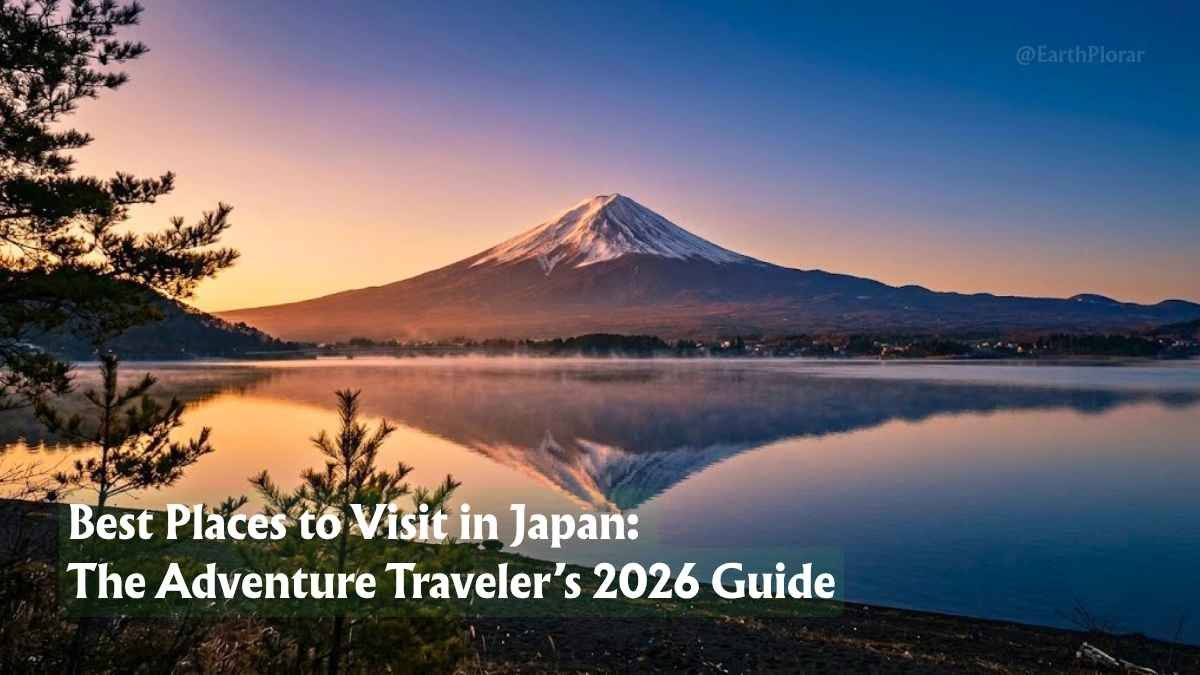
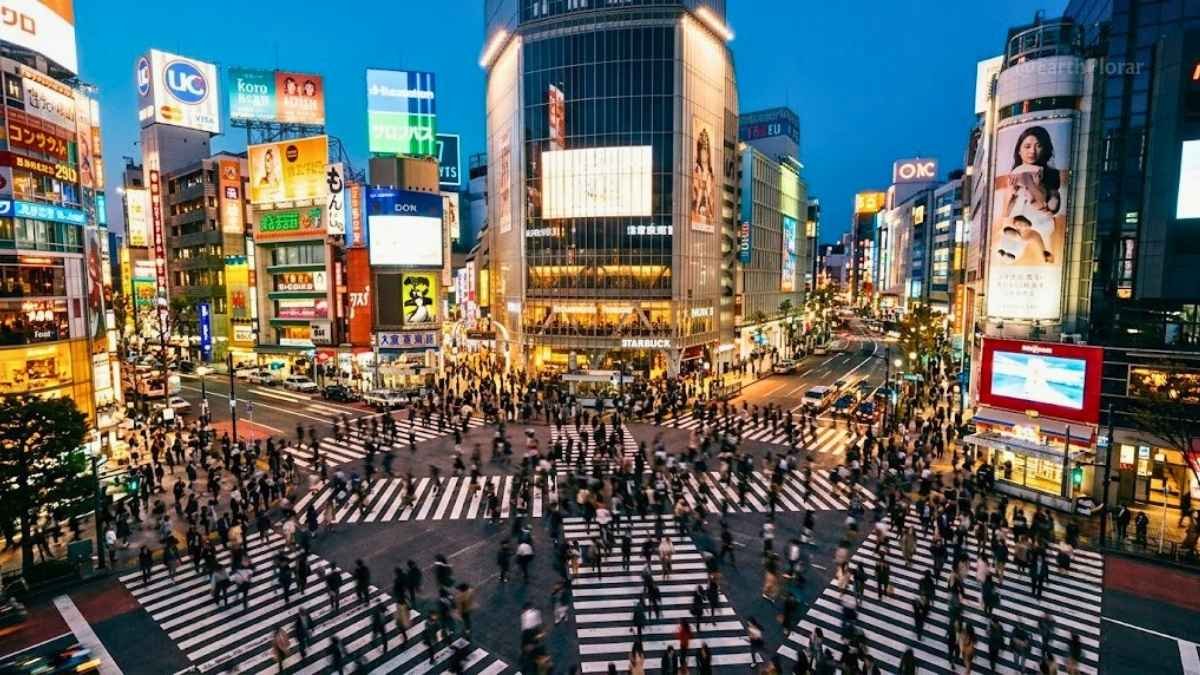
There’s a moment — usually somewhere between the incense haze of a Kyoto temple at dawn and the electric roar of Tokyo’s Shibuya crossing at midnight — when Japan stops feeling like a destination and starts feeling like a world unto itself. Few countries pack this much contrast, this much beauty, and this much soul into a single island nation.
- Why Japan Belongs at the Top of Every Adventurer’s List
- How to Use This Guide
- The Best Places to Visit in Japan
- Japan Destination Comparison: At a Glance
- How to Plan Your Japan Itinerary
- Best Time to Visit Japan
- Sustainable & Responsible Travel in Japan
- FAQ: Best Places to Visit in Japan
- Final Word: Japan Rewards the Curious
The best places to visit in Japan span ancient cedar forests, snow-dusted alpine valleys, subtropical coral reefs, and cities so futuristic they look like concept art. Whether you’re a first-timer chasing cherry blossoms or a seasoned adventurer hunting the backcountry trails of Hokkaido, Japan rewards every kind of explorer.
This guide cuts through the noise. No filler. Just the destinations that genuinely earn their place on your itinerary — with honest advice on what to expect, when to go, and how to travel them responsibly.
Why Japan Belongs at the Top of Every Adventurer’s List
Japan welcomed over 36 million international visitors in 2024 — a record — and the numbers keep climbing. But raw visitor counts don’t capture why people come back. Japan earns return visits because it’s simultaneously inexhaustible and surprisingly accessible: an efficient rail network, remarkably low crime, and a culture of quiet hospitality that makes even solo travelers feel at ease.
For adventure travelers specifically, Japan offers a rare combination:
- Wild, accessible nature — from volcanic peaks to tropical islands to ancient primary forests
- Cultural depth — 19 UNESCO World Heritage Sites and centuries of living tradition
- Sustainable infrastructure — public transport so good you can cross the country without a rental car
- Culinary adventure — 15 cities with more Michelin stars than Paris, plus street food that could change your life
Let’s get into it.
How to Use This Guide
This article is organized by destination type — so whether you’re building a classic Golden Route itinerary or carving your own path off the beaten trail, you can navigate straight to what matters to you.
Quick-reference table before we dive in:
| Destination | Best For | Best Season | Crowd Level |
|---|---|---|---|
| Tokyo | Urban adventure, culture, food | Mar–May / Sep–Nov | High |
| Kyoto | Temples, tradition, gardens | Mar–Apr / Nov | Very High |
| Osaka | Street food, nightlife, day trips | Year-round | High |
| Hiroshima & Miyajima | History, reflection, islands | Mar–Nov | Moderate |
| Hakone & Mt. Fuji | Volcanic landscapes, hot springs | Oct–Nov / Mar–May | High |
| Nara | Wildlife, ancient shrines | Mar–May | Moderate |
| Kanazawa | Art, craft, Edo-era streets | Year-round | Low–Moderate |
| Hokkaido | Nature, skiing, wilderness | Jun–Aug (summer) / Dec–Feb (ski) | Low |
| Okinawa | Beaches, diving, subtropical culture | May–Oct | Moderate |
| Yakushima | Ancient forests, hiking, eco-travel | May–Oct | Low |
| Kamikochi | Alpine scenery, trekking | Jun–Oct | Moderate |
| Naoshima | Contemporary art, slow travel | Year-round | Low |
The Best Places to Visit in Japan
1. Tokyo — Where the Future and the Past Share a Postcode
Tokyo isn’t one city. It’s dozens of neighborhoods folded together, each with its own personality and rhythm.
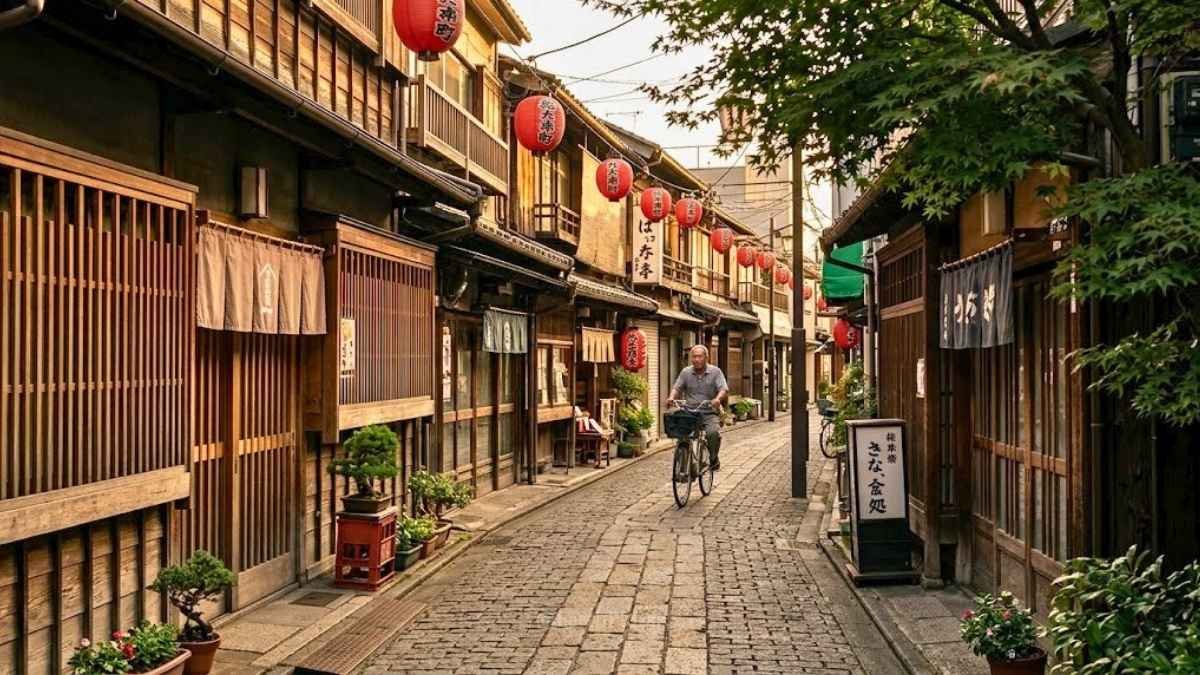
What makes it unmissable: Start in Shinjuku for the sensory overload — neon signs, izakayas spilling into alleys, the world’s busiest train station. Then cross town to Yanaka, a neighbourhood that survived the WWII firebombing and the postwar bulldozers, where old wooden shopfronts and temple cemeteries feel like stepping into the Meiji era. Akihabara pulses with gaming culture and electronics; Shimokitazawa offers indie music venues and vintage shops.
For outdoor adventurers, Tokyo is a launchpad. The Okutama area — just 90 minutes west by train — offers serious hiking trails and river kayaking. The Tokyo Metropolitan Government Building observation deck gives you a free panoramic view that includes, on clear winter days, a startling view of Mt. Fuji.

Don’t miss:
- Meiji Jingu Shrine at sunrise (before the crowds)
- A 5am tuna auction at Toyosu Fish Market (reserve months ahead)
- The teamLab Planets digital art installation in Toyosu
- Ramen in a tiny Shinjuku basement counter at 1am
Travel tip: Tokyo rewards walkers. Pick one neighborhood per day and walk it end to end. You’ll find things no app will show you.
How to get there: Narita (NRT) and Haneda (HND) airports. Haneda is closer to the city center and often cheaper for regional connections.
Responsible travel note: Tokyo’s IC card system (Suica/Pasmo) covers virtually every transit need — trains, buses, even convenience store purchases. Skip the rental car entirely.
2. Kyoto — The Soul of Japan
If Tokyo is Japan accelerating into the future, Kyoto is its conscience — the place the country looks to remember who it is.
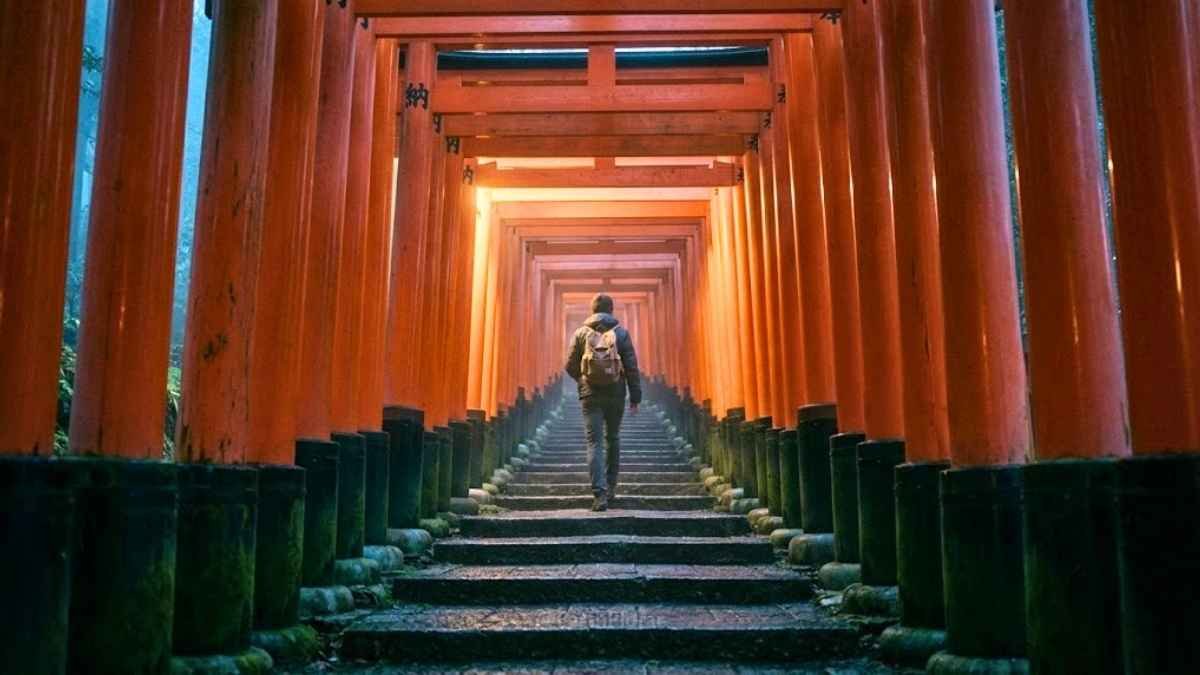
The former imperial capital held that role for over a thousand years, and that weight is visible everywhere: in the 1,600 Buddhist temples, the intact Higashiyama geisha districts, the autumn foliage blazing against ancient stone walls. Unlike Tokyo or Osaka, Kyoto was largely spared wartime bombing, which means its historic streetscapes are genuine, not reconstructed.
Highlights:
- Fushimi Inari-taisha — 10,000 vermilion torii gates climbing Mt. Inari. Go before 7am or after 5pm to experience it without the crowds.
- Arashiyama Bamboo Grove — 15 minutes of bamboo canopy that genuinely feels like another world. Again: early morning only.
- Kinkaku-ji (Golden Pavilion) — Overrun with visitors but impossible to skip. Book your ticket slot in advance.
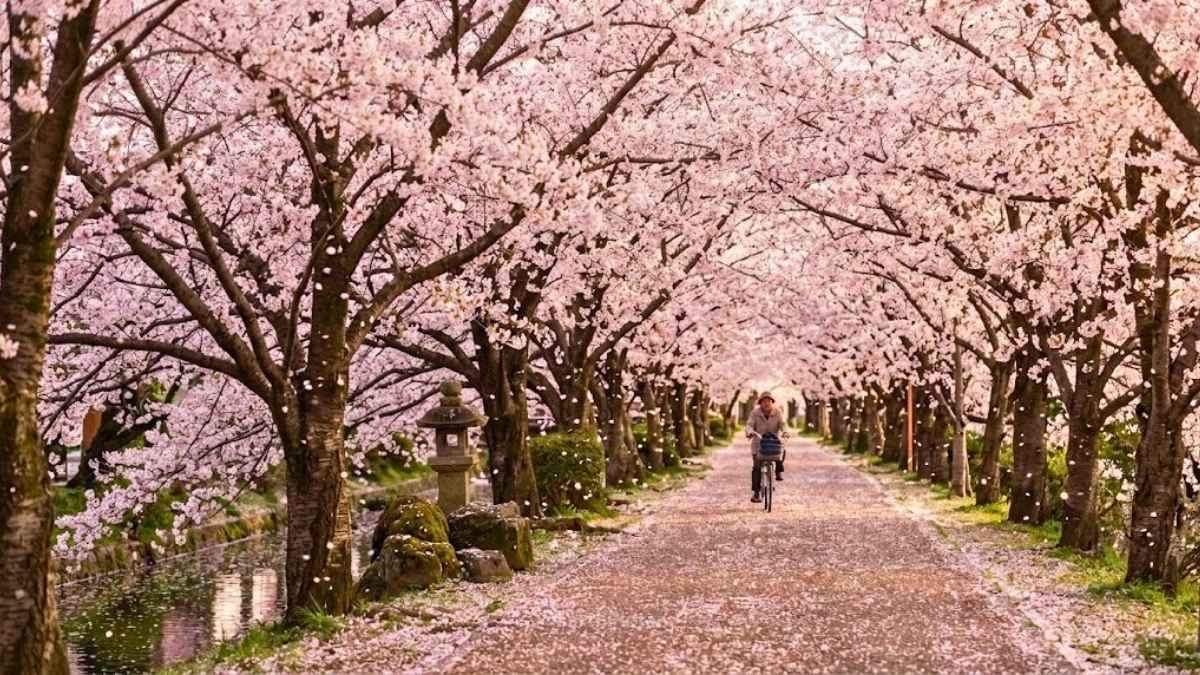
- Philosopher’s Path — A canal-side walk connecting Ginkaku-ji (Silver Pavilion) to Nanzen-ji Temple through a cherry-tree tunnel in spring.
For the adventurous traveler: Rent a bicycle and explore the Sagano rural area, or hike the Fushimi Inari summit trail beyond the main torii gates where the crowds thin and the views over Kyoto open up.
Overtourism reality check: Kyoto is genuinely struggling with visitor numbers. The city has implemented entry fees at some sites, bag restrictions on buses, and is actively asking visitors to stay in eastern neighborhoods like Higashiyama to spread impact. Respect these measures — they exist to protect the places you came to see.
3. Osaka — Japan’s Most Delicious City
Nobody comes to Osaka for the temples. They come for the food.
Osaka has a local concept called kuidaore — “eat until you drop” — and it isn’t a joke. The street food scene in Dotonbori and the covered market lanes of Kuromon Ichiba represent some of the most exciting eating in Asia: takoyaki (octopus balls), kushikatsu (skewers), okonomiyaki (savory pancakes), and ramen that people fly specifically to eat.
But Osaka rewards exploration beyond the plate. Osaka Castle and its park are genuinely impressive; Sumiyoshi Taisha is one of Japan’s oldest shrines with an architecture style predating Chinese influence. Universal Studios Japan — with its Harry Potter and Super Nintendo World expansions — has become one of Asia’s top theme parks.
Adventure angle: Osaka is your best base for day trips — Nara (45 minutes), Kyoto (15 minutes by Shinkansen), Himeji Castle (30 minutes), and the Kii Peninsula wilderness are all within easy reach.
4. Hiroshima & Miyajima Island — History, Resilience, and a Floating Shrine
Hiroshima asks something of you before it rewards you. The Atomic Bomb Dome (Genbaku Dome) and Peace Memorial Museum are emotionally demanding — and completely essential. The museum documents not just the destruction but the survivors, the rebuilding, and the ongoing global nuclear disarmament movement. Allow at least three hours, and arrive with the space to reflect.
What you may not expect: Hiroshima is also a genuinely beautiful city, rebuilt with wide boulevards, excellent okonomiyaki, and a tram network that feels pleasingly anachronistic.
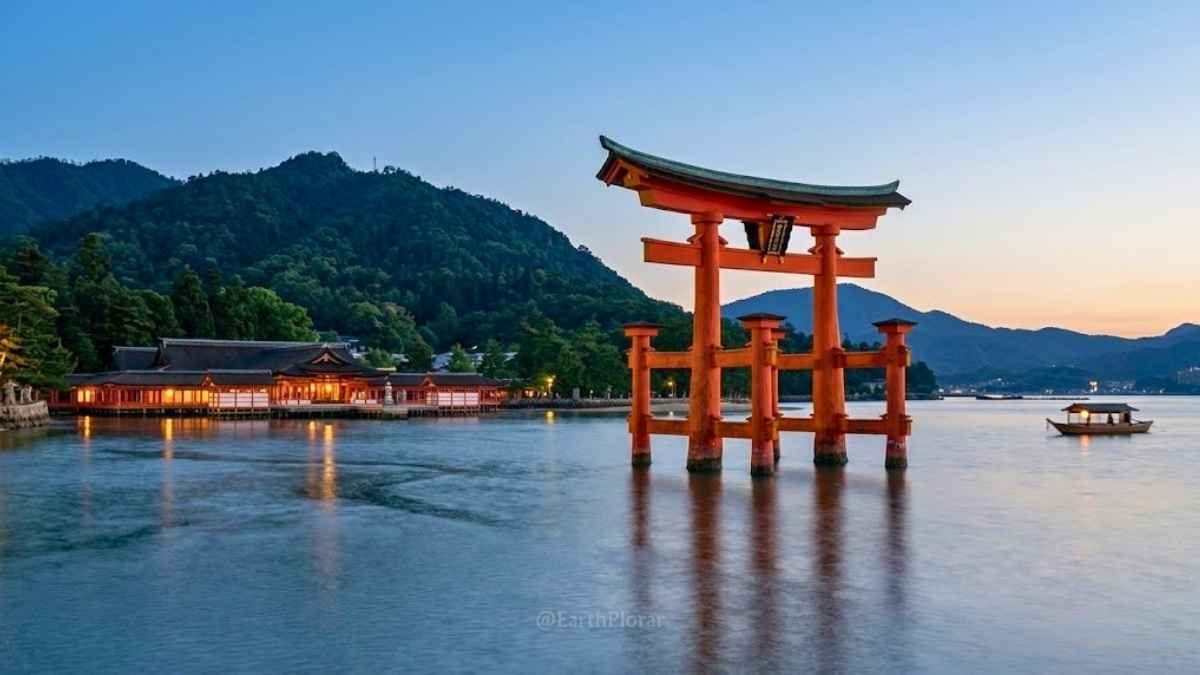
Twenty minutes by ferry from Hiroshima lies Miyajima Island (Itsukushima), home to the famous floating torii gate of Itsukushima Shrine — one of Japan’s most iconic images. At high tide, the gate appears to float on the Seto Inland Sea. At low tide, you can walk to it. At dawn, with the mist rolling off the water and almost no one else around, it’s transcendent.
Wildlife note: Miyajima is home to wild sika deer that roam freely through the shrine grounds. They’re habituated to humans and will attempt to eat your maps, brochures, and snacks. Keep food sealed.
5. Hakone & Mt. Fuji — Japan’s Volcanic Heart
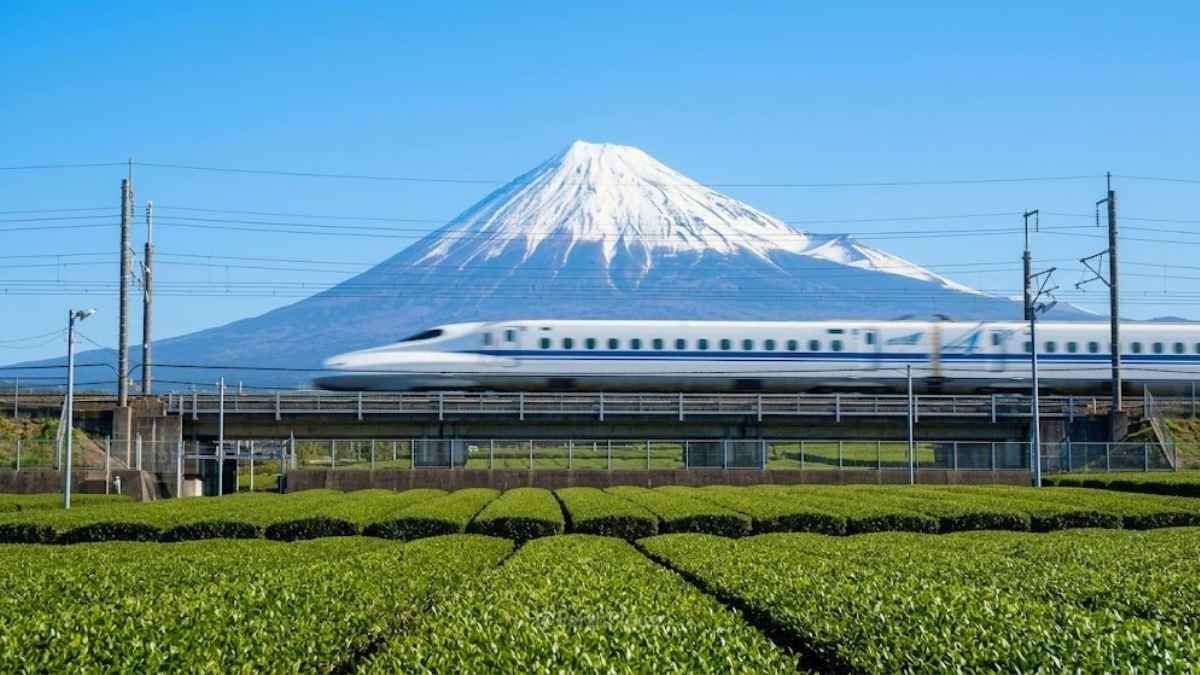
Japan sits on the Pacific Ring of Fire, and nowhere is that geology more dramatic than the Fuji-Hakone-Izu region. Mt. Fuji (3,776m) is Japan’s highest peak and its most recognized symbol — a near-perfect volcanic cone that appears in centuries of art, from Hokusai prints to modern Instagram feeds.
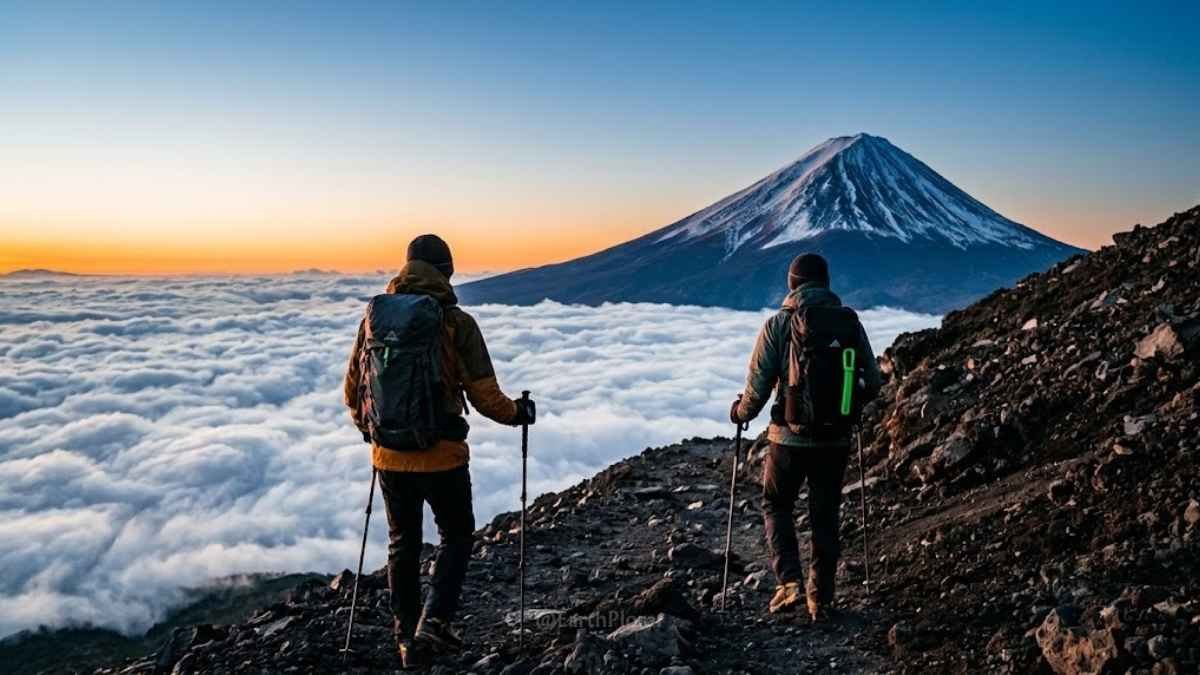
Climbing Fuji: The official climbing season runs from early July to early September. The Yoshida Trail (5th Station → Summit) takes 5–8 hours ascending, 3–5 hours descending. Expect freezing temperatures at the summit even in summer. Book mountain hut accommodation months in advance. Respect the trail rules — the mountain introduced new fees and access restrictions in 2024 to combat overcrowding.
Hakone offers volcanic scenery without the altitude. The Hakone Open-Air Museum sits against a backdrop of forested hills; the Owakudani volcanic valley steams with sulfur vents and serves black-shelled eggs cooked in the geothermal springs. Stay in a traditional ryokan with an outdoor onsen (hot spring bath) for the full sensory experience.
6. Nara — Ancient Capital, Free-Roaming Deer
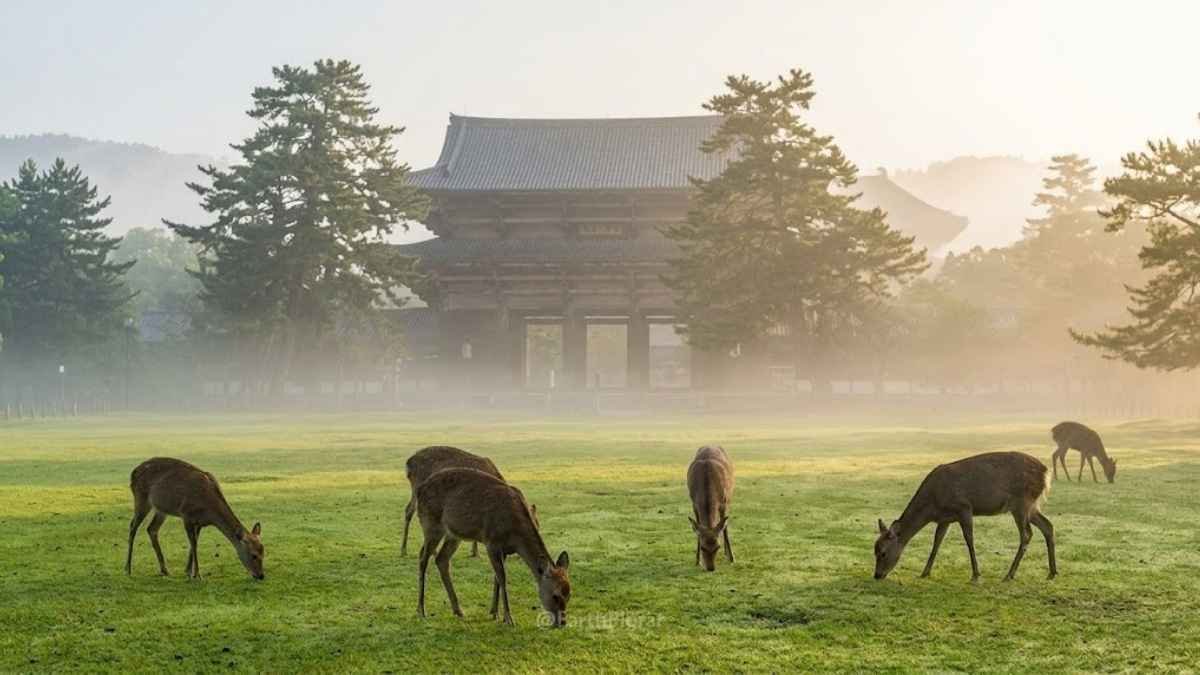
Nara’s pitch is simple and irresistible: ancient temples, a colossal bronze Buddha, and over 1,200 sika deer that have wandered freely through the city since the 8th century.
Tōdai-ji Temple houses the Daibutsu — a 15-meter bronze Buddha statue inside the world’s largest wooden building. The scale is genuinely humbling. The surrounding Nara Park is where the deer congregate, accepting special shika senbei (deer crackers) from visitors and bowing — an actual learned behavior — when they want more.
Beyond the deer spectacle, Kasuga Taisha Shrine (with its 3,000 stone and bronze lanterns lit twice yearly) and Naramachi (the preserved merchant quarter) offer depth for travelers willing to linger.
Day trip or overnight? Nara is 45 minutes from Osaka and 35 minutes from Kyoto by train — easy as a day trip. But an overnight stay lets you experience the park after the tour groups leave, when the deer wander through lantern-lit paths in eerie silence.
7. Kanazawa — Kyoto Without the Crowds
Japan’s best-kept secret may not be secret much longer, but Kanazawa still offers what Kyoto used to: extraordinary cultural depth at a human scale, without fighting through selfie sticks at every shrine.
The city survived WWII intact and retains complete samurai and geisha districts (Higashi Chaya, Kenroku-en, Nagamachi) that feel genuinely lived in rather than museum-preserved. Kenroku-en, consistently ranked one of Japan’s three great gardens, is stunning in every season — particularly under winter snow.
Kanazawa is Japan’s craftsmanship capital: gold leaf applied to everything from temple ceilings to ice cream, lacquerware, Kutani porcelain, and Kaga-yuzen silk dyeing. The 21st Century Museum of Contemporary Art offers a striking counterpoint to all that heritage.
Getting there: The Hokuriku Shinkansen now connects Tokyo to Kanazawa in about 2.5 hours — making it a realistic add-on to any Golden Route itinerary.
8. Hokkaido — Japan’s Wild North
For travelers who want Japan with fewer crowds and more wilderness, Hokkaido is the answer.
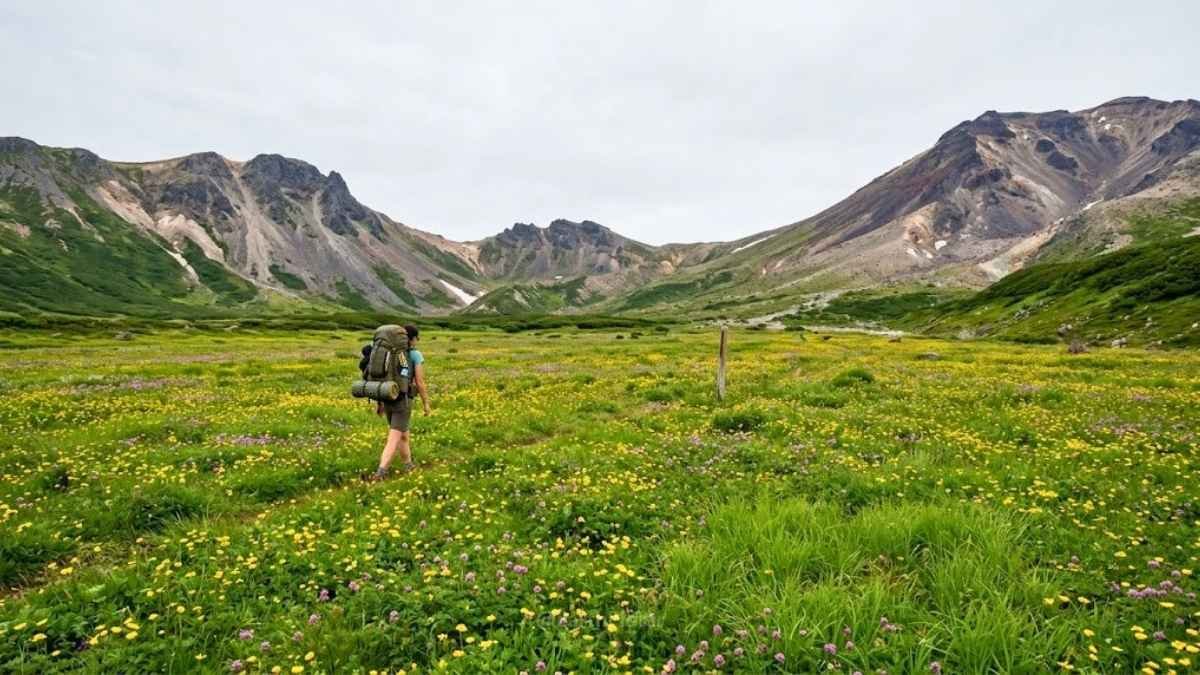
Japan’s northernmost island is a different country in feel: wide-open agricultural plains, caldera lakes, brown bear territory, and volcanic peaks that attract serious mountaineers. Daisetsuzan National Park — Japan’s largest national park — offers multi-day backcountry trekking through alpine meadows thick with wildflowers in summer.
By season:
- Winter (Dec–Mar): Niseko is one of Asia’s premier ski resorts, famous for its champagne powder. Sapporo’s Snow Festival in February draws 2 million visitors to see enormous ice sculptures.
- Summer (Jun–Aug): The Furano lavender fields turn the landscape purple; road cycling and wild camping are possible in a way that’s rare elsewhere in Japan.
- Autumn (Sep–Oct): The koyo (autumn foliage) in Hokkaido peaks earlier than the rest of Japan, making it a prime destination for leaf-peeping before the mainland crowds arrive.
Wildlife: Hokkaido is home to Japan’s largest concentration of brown bears, red foxes, and Blakiston’s fish owls (one of the world’s largest owls). Shiretoko Peninsula — a UNESCO World Heritage Site — offers boat tours past sea eagles and, in early spring, drift ice platforms covered in seals.
- Learn about Ethical Wildlife Tourism to Choose Operators That Support Conservation
9. Okinawa — Japan’s Subtropical Islands
The Okinawa archipelago feels like a different country — culturally, climatically, and ecologically distinct from mainland Japan. The indigenous Ryukyuan culture, distinct cuisine (champuru, rafute, soki soba), and turquoise coral-reef waters make Okinawa a destination that stands entirely on its own terms.
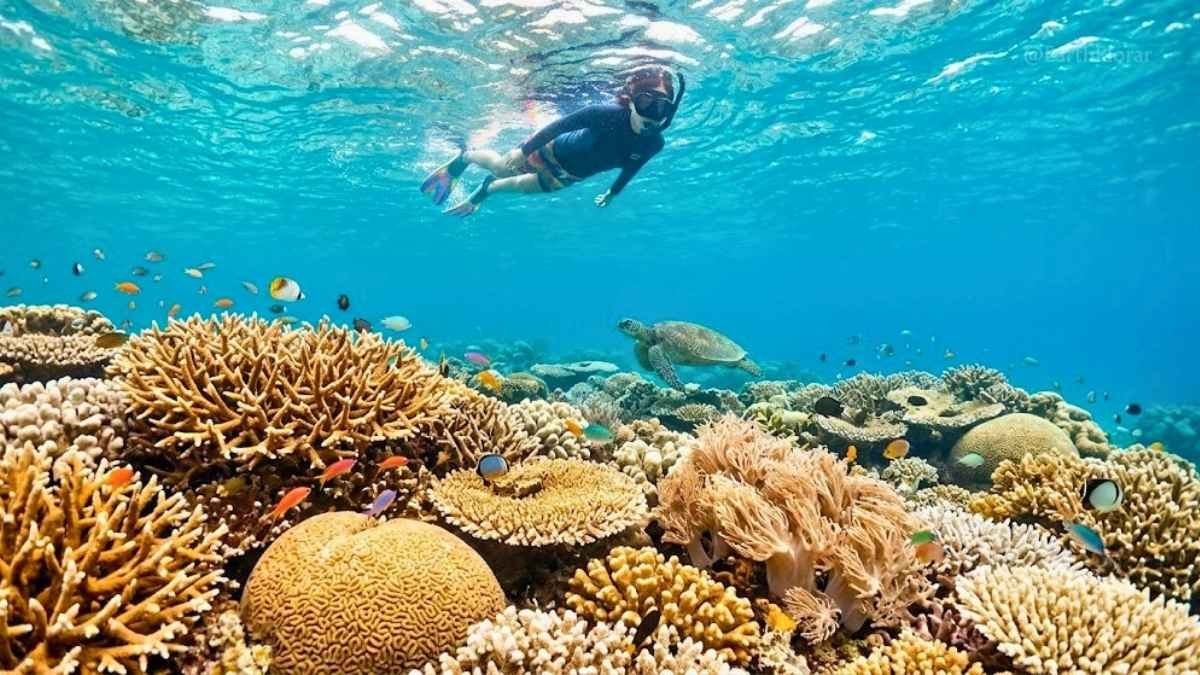
For divers and snorkelers: The waters around Okinawa’s outer islands — particularly Kerama Islands — contain some of Asia’s healthiest coral reef systems. Visibility regularly exceeds 30 meters; sea turtles, manta rays, and whale sharks are all sightable depending on season.
For beach travelers: Miyako Island and Iriomote Island offer white-sand beaches that rival the Maldives in quality but retain a raw, undeveloped character. Iriomote — 90% jungle — supports the critically endangered Iriomote wildcat (Iriomote yamaneko), one of the world’s rarest felids.
Responsible travel note: Okinawa’s reefs are under pressure from coral bleaching events linked to ocean warming. Choose reef-safe sunscreen (no oxybenzone or octinoxate), do not touch corals, and book with operators certified by the Okinawa Coral Tourism Certification Program.
Getting there: Direct flights connect Okinawa Naha Airport to Tokyo (2.5 hours), Osaka, and major East Asian cities.
10. Yakushima — Ancient Forest, Sacred Island
Yakushima is where Japan becomes elemental.
A small island off the southern tip of Kyushu, Yakushima receives some of the highest rainfall in Japan, feeding forests of ancient yakusugi cedar trees that are among the oldest living organisms on Earth. Jōmon Sugi, the island’s most famous tree, is estimated to be between 2,170 and 7,200 years old. You read that right.
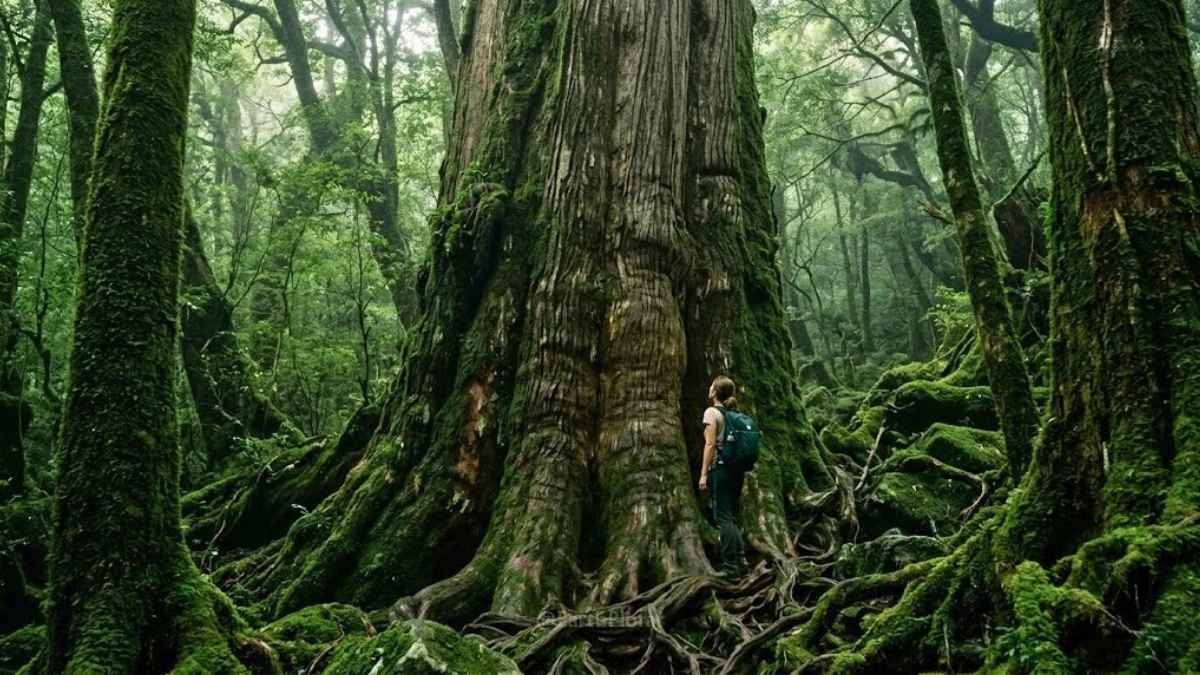
The island inspired Studio Ghibli’s Princess Mononoke — the forest feels exactly like the film: mossy, primordial, alive in a way that makes you feel like an intruder in the best possible sense.
Hiking: The Shiratani Unsuikyo Ravine trail is accessible for most fitness levels and showcases the moss-draped forest that served as Ghibli’s visual reference. The Jōmon Sugi trek is a full-day (10-hour) hike on narrow mountain railway tracks through the island’s interior — physically demanding but extraordinary.
Accommodation: Book early. The island has limited lodging and fills up months in advance during peak season (April–May and October).
Sustainability note: Yakushima’s UNESCO World Heritage forest is genuinely fragile. Stick to marked trails, pack out all waste, and hire a licensed island guide who understands the ecosystem.
11. Kamikochi — The Alpine Valley You Won’t Forget
Kamikochi is the most beautiful place in Japan that most first-time visitors never make it to — which is both unfortunate for them and fortunate for everyone who does.
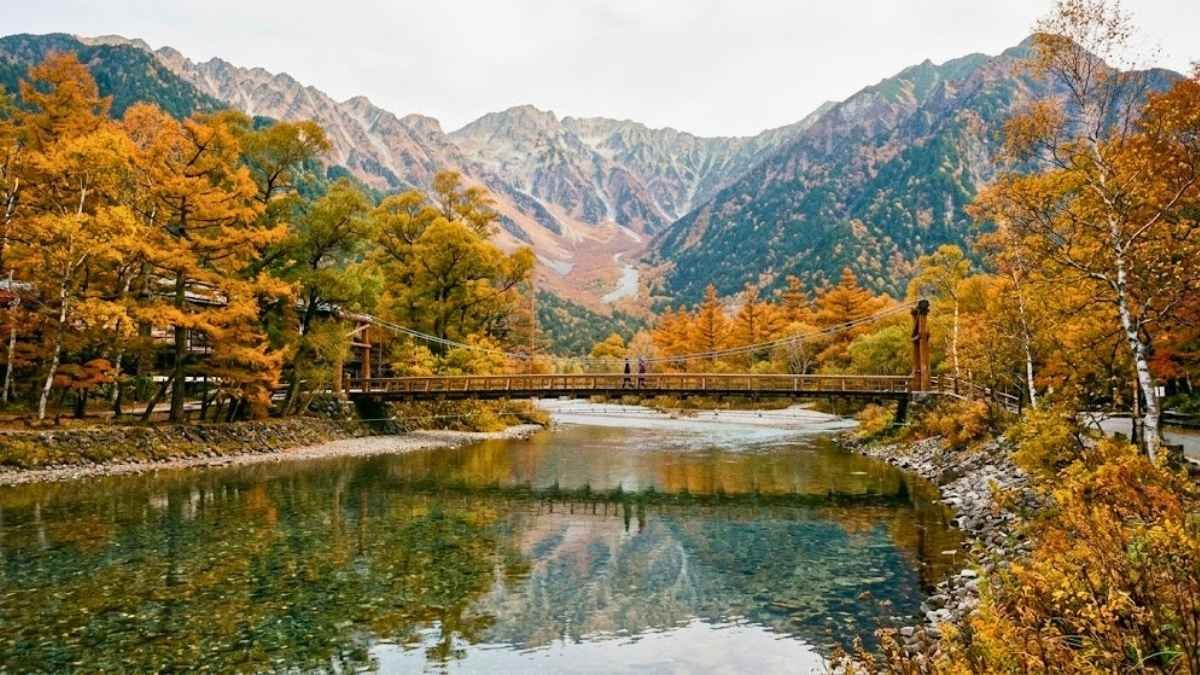
Located in Nagano Prefecture’s Chubu-Sangaku National Park, Kamikochi is an alpine valley at 1,500m, hemmed in by the jagged peaks of the Northern Japan Alps. Private vehicles are banned; you access it by shuttle bus from Matsumoto, which preserves its extraordinary clarity of air and silence.
The Azusa River runs gin-clear through the valley floor, flanked by dwarf birch and larch that turn gold in October. The trail from Kappa-bashi bridge to Myojin Pond (round trip ~10km, mostly flat) is one of Japan’s most beautiful day hikes. More serious trekkers can continue to Dakesawa and tackle multi-day routes into the Japan Alps proper.
Season: Open from late April to mid-November. Snow closes the valley in winter.
12. Naoshima — Where Art Meets the Inland Sea
Naoshima is proof that Japan’s most memorable travel experiences sometimes defy easy categorization.
A small island in the Seto Inland Sea, Naoshima transformed itself over the past three decades into one of the world’s premier destinations for contemporary art — not galleries transplanted to a landscape, but art designed into the landscape. The Chichu Art Museum (Tadao Ando, 2004) is built almost entirely underground so as not to disturb the island’s view of the sea. Permanent works by James Turrell, Walter De Maria, and Claude Monet occupy spaces engineered specifically for them. The experience is unlike anything in a conventional museum.
The Benesse Art Site and Art House Project (artwork integrated into abandoned traditional houses throughout the island’s village) extend this philosophy across the entire island. Cycling between art installations and traditional fishing village scenery at your own pace is one of the great slow-travel experiences in Asia.
Best combined with: A night in one of Naoshima’s guesthouses, dinner at a fishing-village restaurant, and an early-morning visit to Yayoi Kusama’s iconic yellow pumpkin sculpture on the pier.
Japan Destination Comparison: At a Glance
| Destination | UNESCO Listed | Active Hiking | Beach/Diving | Off-the-Beaten-Path | Budget-Friendly |
|---|---|---|---|---|---|
| Tokyo | No | Nearby | No | Some neighborhoods | Moderate |
| Kyoto | Yes (partial) | Yes | No | Outer temples | Moderate |
| Osaka | No | No | No | Good value city | Yes |
| Hiroshima | Yes (Dome) | No | Ferry day trip | Yes | Yes |
| Hakone/Fuji | Yes (Fuji) | Yes | No | Moderate | Moderate |
| Nara | Yes | No | No | Yes | Yes |
| Kanazawa | No | No | No | Yes | Moderate |
| Hokkaido | Yes (Shiretoko) | Yes | No | Yes | Moderate |
| Okinawa | No | No | Yes | Outer islands | Moderate |
| Yakushima | Yes | Yes | No | Yes | Moderate |
| Kamikochi | Yes (park) | Yes | No | Yes | Moderate |
| Naoshima | No | Cycling | No | Yes | Moderate |
How to Plan Your Japan Itinerary
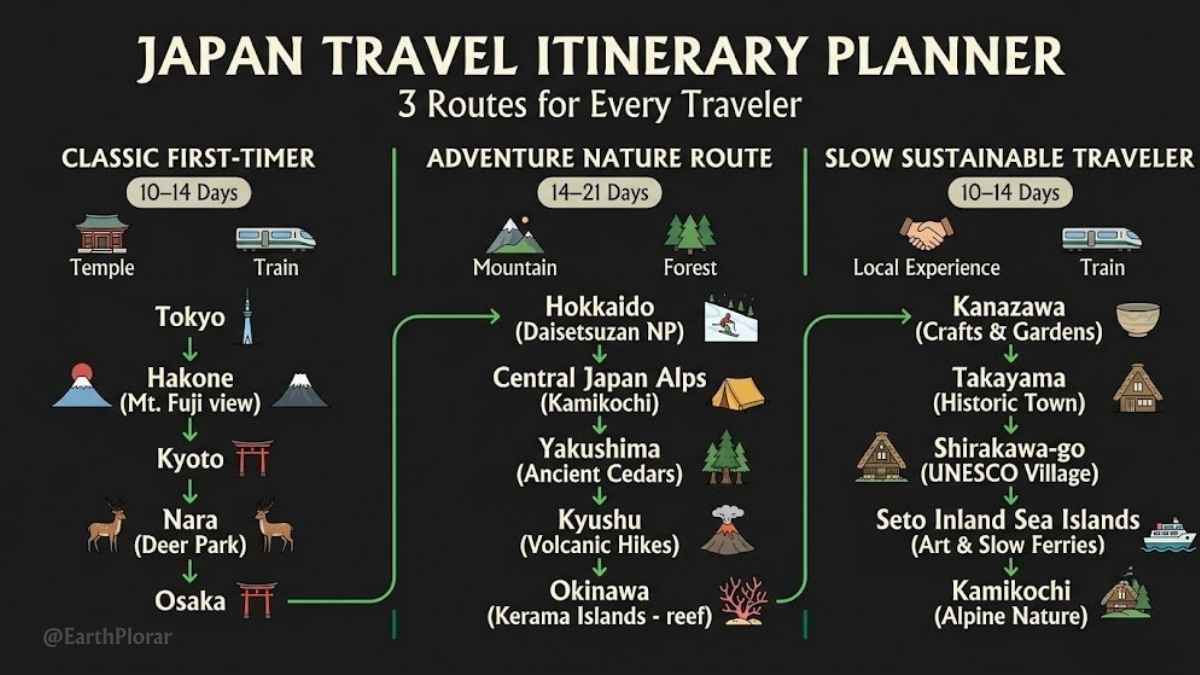
First-Time Visitors: The Classic Golden Route (10–14 Days)
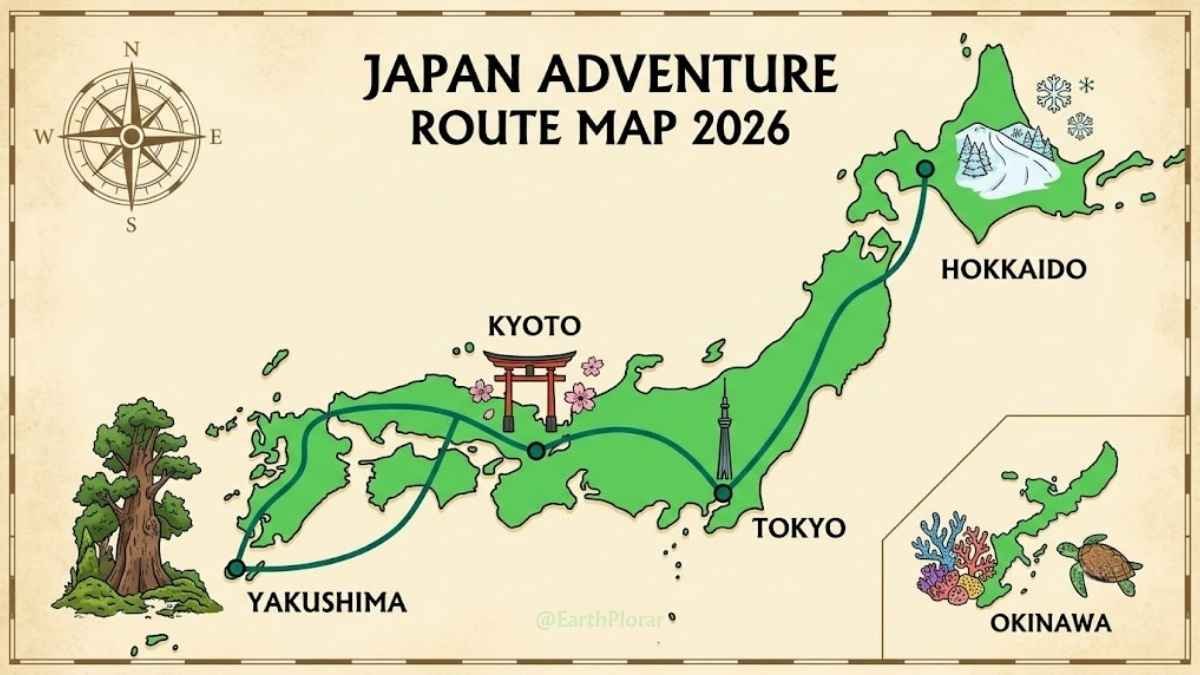
Tokyo (3–4 nights) → Hakone/Mt. Fuji (1–2 nights) → Kyoto (3 nights) → Nara (1 night) → Osaka (2 nights)
This sequence follows the Tokaido Shinkansen corridor and is the foundation of most first Japan trips. It’s popular for a reason — it covers the country’s most iconic experiences efficiently. Use a JR Pass if traveling this route; it pays for itself easily.
Adventure Traveler: Nature-First Route (14–21 Days)
Tokyo → Hokkaido (Daisetsuzan / Shiretoko, 4–5 nights) → Kanazawa (2 nights) → Kyoto (2 nights) → Hiroshima (1 night) → Yakushima (3 nights) → Okinawa (3–4 nights)
This itinerary prioritizes wilderness, wildlife, and off-peak experiences. It requires more internal flights (Tokyo–Sapporo, Yakushima–Okinawa) but delivers a Japan most visitors never experience.
Slow Traveler / Sustainability-Focused (10–14 Days)
Kyoto (4 nights) → Kanazawa (3 nights) → Kamikochi (2 nights) → Naoshima (2 nights) → Hiroshima (2 nights)
Entirely train-accessible. Minimal carbon footprint. Maximum depth per destination. This is the itinerary for travelers who want to actually inhabit a place rather than check it off a list.
Best Time to Visit Japan
| Season | What’s Happening | Crowds | Notes |
|---|---|---|---|
| March–April | Cherry blossom season (sakura) | Very High | Book 6–12 months ahead. Magical but crowded. |
| May–June | Fresh green season, fewer crowds | Moderate | Excellent hiking weather. Rainy season starts mid-June. |
| July–August | Hot, humid, summer festivals | Moderate–High | Best for Hokkaido; avoid Kyoto/Tokyo heat. |
| September–October | Typhoon risk early; autumn foliage by late October | Moderate | Spectacular. Hokkaido foliage peaks in September. |
| November | Peak autumn foliage (koyo) on mainland | High | Some of Japan’s most beautiful weeks. |
| December–February | Snow, skiing, New Year celebrations | Low–Moderate | Niseko skiing; Tokyo/Kyoto are peaceful. |
Sustainable & Responsible Travel in Japan
Japan makes sustainable travel surprisingly easy — public transport infrastructure is world-class, waste separation is meticulous, and the culture has deep roots in concepts like mottainai (the regret of waste) and satoyama (human-nature coexistence).
Practical sustainable travel habits:
- Use the IC card (Suica/Pasmo) for all transit — no paper tickets, no plastic rental cards needed.
- Carry a furoshiki (traditional wrapping cloth) as a zero-waste bag substitute — available at any 100-yen store.
- Eat seasonally and locally — ichiju-sansai (one soup, three sides) at any teishoku (set meal) restaurant is almost always locally sourced.
- Stay in ryokan and minshuku (family-run traditional inns) rather than international chains to keep spending in local communities.
- Respect trail and temple rules — many natural sites in Japan are now actively managing overcrowding. Comply with access restrictions and timed entry systems.
- Offset unavoidable flights — internal Japanese flights and international connections have measurable carbon impact. Use a certified offset program like Gold Standard.
- Explore our Regenerative Travel Guide — & Which Operators Are Doing It Credibly
FAQ: Best Places to Visit in Japan
What are the absolute must-see places in Japan for first-time visitors?
For a first visit, the essential triangle is Tokyo, Kyoto, and Osaka — connected by Shinkansen and covering Japan’s full spectrum from hyper-modern to deeply traditional. Add Hiroshima and Miyajima Island if you have an extra day or two. These five destinations offer the broadest possible introduction to Japan’s culture, history, and food scene within a tight itinerary.
When is the best time to visit Japan?
Late March to early April (cherry blossom season) and mid-October to mid-November (autumn foliage) are Japan’s two most spectacular travel seasons. Both are extremely popular — book flights and accommodation six to twelve months in advance. For a balance of good weather, lower crowds, and reasonable prices, May and late September are excellent alternatives.
How many days do you need to see Japan?
A minimum of 10–14 days allows you to cover the classic Golden Route (Tokyo → Hakone → Kyoto → Osaka) with enough time to breathe. For a more complete experience including Hokkaido, Okinawa, or Yakushima, plan for 21 days or more. Japan is a country where longer stays always reveal more — the deeper you go, the more remarkable it becomes.
Is Japan good for adventure and outdoor travel?
Absolutely. Japan is one of Asia’s premier adventure travel destinations. The country offers world-class skiing (Hokkaido, Nagano), serious mountaineering (Japanese Alps, Mt. Fuji), excellent coastal hiking (Kumano Kodo pilgrimage route, Shikoku 88 Temples trail), sea kayaking, canyoning, whitewater rafting (Yoshino River), and some of Asia’s best scuba diving (Okinawa, Ogasawara Islands). The trail infrastructure is generally excellent and well-marked.
Is Japan an environmentally sustainable destination to visit?
Japan scores well on several sustainability metrics — minimal plastic waste on streets, excellent public transit, strong recycling culture, and a long tradition of environmental stewardship. That said, mass tourism is creating real pressure at iconic sites like Fuji, Kyoto’s Arashiyama, and Shirakawa-go. Traveling responsibly means choosing less-visited destinations, respecting access limits, eating locally, avoiding single-use plastics, and traveling by rail wherever possible. The Japan Tourism Agency publishes sustainable tourism guidelines updated regularly.
Do I need to speak Japanese to travel in Japan?
You don’t need Japanese to have an excellent trip. Major cities have bilingual signage on all transit systems, Google Translate handles restaurant menus well with the camera function, and Japanese hospitality culture means people go out of their way to help lost-looking tourists. That said, learning even 10–15 phrases (arigatou gozaimasu, sumimasen, eigo o hanasemasu ka?) makes a genuine difference in how you’re received — and will earn you warm smiles everywhere.
Final Word: Japan Rewards the Curious
Japan doesn’t give up all its best secrets on the first visit — and that’s exactly the point. The destinations in this guide represent a starting map, not a finished picture. The more time you spend, the more layers reveal themselves: the neighborhood izakaya that only seats eight; the mountain trail that leads to an unmarked onsen; the festival that happens once a year in a village most tourists drive straight past.
Key takeaways:
- Layer your itinerary — combine one major city with one nature or cultural deep-dive per trip zone.
- Travel by rail — the Shinkansen and local train network are faster, cheaper, more comfortable, and more sustainable than flying domestically.
- Arrive early at iconic sites — the difference between 6am and 10am at Fushimi Inari or Arashiyama is the difference between a spiritual experience and a crowd-management situation.
- Slow down — Japan’s best experiences happen when you stop trying to see everything and start trying to actually be somewhere.
- Travel with respect — Japan’s natural sites and cultural heritage are not inexhaustible resources. The choices you make as a traveler directly affect their future.
Ready to go deeper? Subscribe to the EarthPlorar newsletter for monthly adventure travel guides, gear reviews, and off-the-beaten-path destination spotlights — delivered to your inbox, never spammy, always useful.