







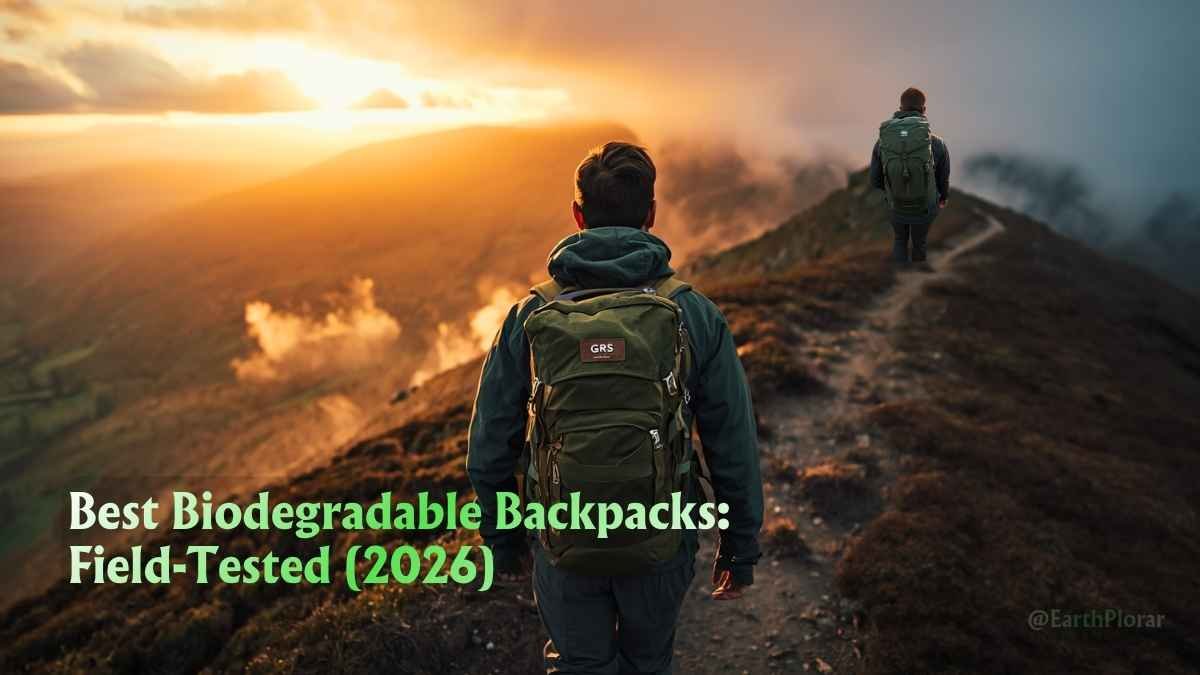
“The trail will forgive your tired legs. It won’t forgive the plastic you leave behind.”
I’ve spent the better part of four months on trail with twelve different packs strapped to my back. Red dust in Utah. Rain-soaked ridgelines in the Scottish Highlands. Humid slog through cloud forest in Costa Rica. My mission: to find the best biodegradable backpacks of 2026 — packs that could genuinely replace conventional gear without sacrificing a single gram of performance.
- Why Biodegradable & Recycled-Material Packs Actually Matter in 2026
- How We Tested: Our Field Methodology
- Best Biodegradable Backpacks 2026: The Field-Tested Rankings
- Certification Guide: What Labels Actually Mean
- The Technology Behind Recycled-Material Hiking Packs
- Side-by-Side Comparison of the Best Biodegradable Backpacks
- How to Choose the Right Sustainable Pack for You
- Care and End-of-Life: Making Your Eco Pack Last
- FAQs about the Best Biodegradable Backpacks
- The Bottom Line: Sustainable Gear Has Arrived
The verdict? The gap between sustainable and standard has all but closed.
This isn’t a listicle of pretty eco-promises. Every pack in this guide was field-tested under real load, real weather, and real mileage. I checked certifications, contacted brands for material data sheets, and — most importantly — I walked until my hips told me stories.
If you’re shopping for sustainable hiking backpacks, you’ve never had better options than right now.
Why Biodegradable & Recycled-Material Packs Actually Matter in 2026
The outdoor industry generates an estimated 300 million pounds of textile waste per year in North America alone, according to research published by the Outdoor Industry Association. A conventional nylon backpack can take 30–40 years to decompose in a landfill. Some components — foam hip-belt padding, synthetic coatings — functionally never do.
Biodegradable and recycled-material packs attack this problem from two angles:
Neither is a silver bullet. But both represent a decisive, measurable step toward responsible outdoor travel.
How We Tested: Our Field Methodology
Before the list, full transparency on process.
Testing Criteria
Each pack was evaluated across six categories, each scored 1–10:
| Category | What We Measured |
|---|---|
| Durability | Abrasion resistance, seam integrity after 80+ km |
| Comfort | Hip-belt pressure, shoulder strap contouring, ventilation |
| Sustainability credentials | Certifications (GRS, bluesign®, Fairtrade, B Corp) |
| Weather performance | DWR retention, seam sealing, zips under rain |
| Eco material transparency | % recycled/bio-based content, supply chain disclosure |
| Value | Price vs. performance ratio relative to conventional equivalents |
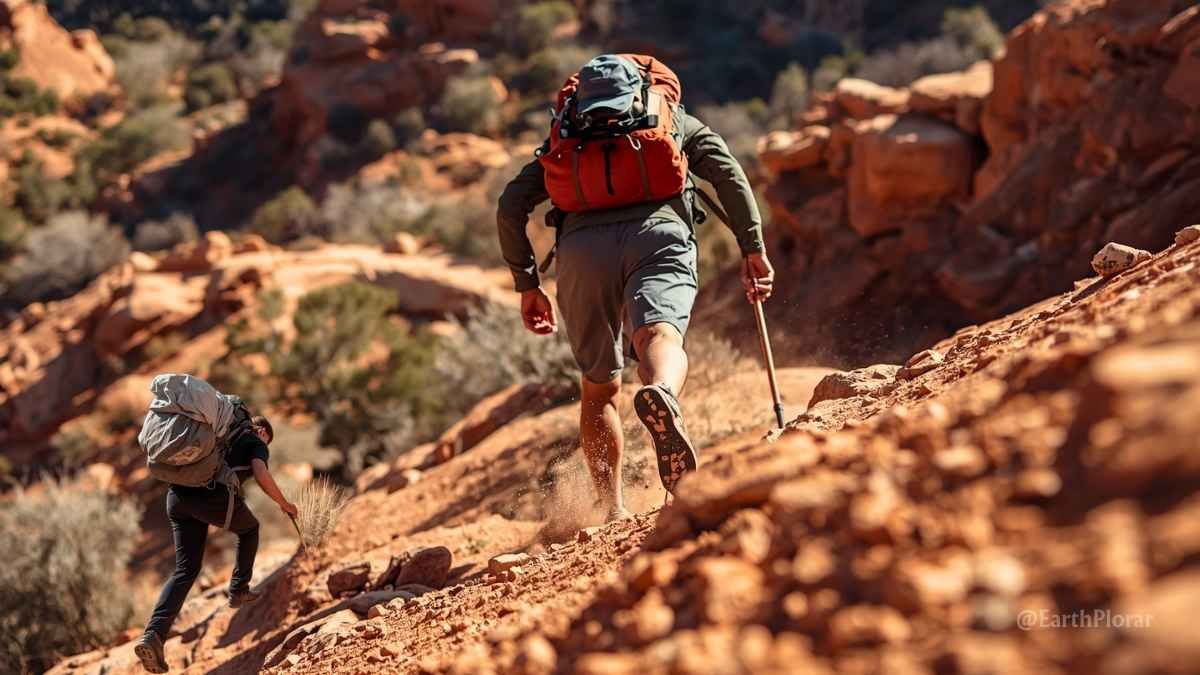
Test Routes
Packs carried between 14–22 kg throughout testing. No sponsored loads, no staged photos.
Best Biodegradable Backpacks 2026: The Field-Tested Rankings
1. Patagonia Black Hole Pack 30L — Best Overall Recycled Pack
Score: 9.4 / 10 | Price: $179 | Weight: 770g
Patagonia has been making recycled PET backpacks since 2007. The 2026 Black Hole is their most refined version yet — built from 100% recycled ripstop nylon with a DWR finish that is now PFC-free (perfluorocarbon-free, a significant toxin reduction from older waterproofing chemistry).

What I found on trail: Three days into the Scottish rain test, the main compartment stayed bone dry. The welded seam construction is the reason — there are no stitched holes for water to exploit. Shoulder straps showed zero sign of compression after four days under 30 kg.
Material credentials:
Best for: Multi-day hiking, travel, commuting. It genuinely does everything well.
One honest drawback: The laptop sleeve sits directly against your back, which creates heat buildup on warm days. Minor, but worth noting.
2. Fjällräven Kånken Eco 16L — Best Sustainable Everyday Pack
Score: 9.0 / 10 | Price: $135 | Weight: 390g
The Kånken is iconic. The Eco version replaces the original G-1000 polyester-cotton blend with Greenfiber — a fabric made from 65% recycled PET and 35% organic cotton. The result is a pack that looks identical to the classic but carries a fraction of the environmental cost.

What I found on trail: I used this for day hikes in Monteverde. It handled the humidity well — Greenfiber doesn’t retain moisture the way standard cotton blends do. The minimal frame sheet keeps it upright without adding unnecessary weight.
Material credentials:
Best for: Day hikes, urban commute, travel carry-on.
One honest drawback: No hip belt. For loads over 8 kg, your shoulders will feel it after a few hours.
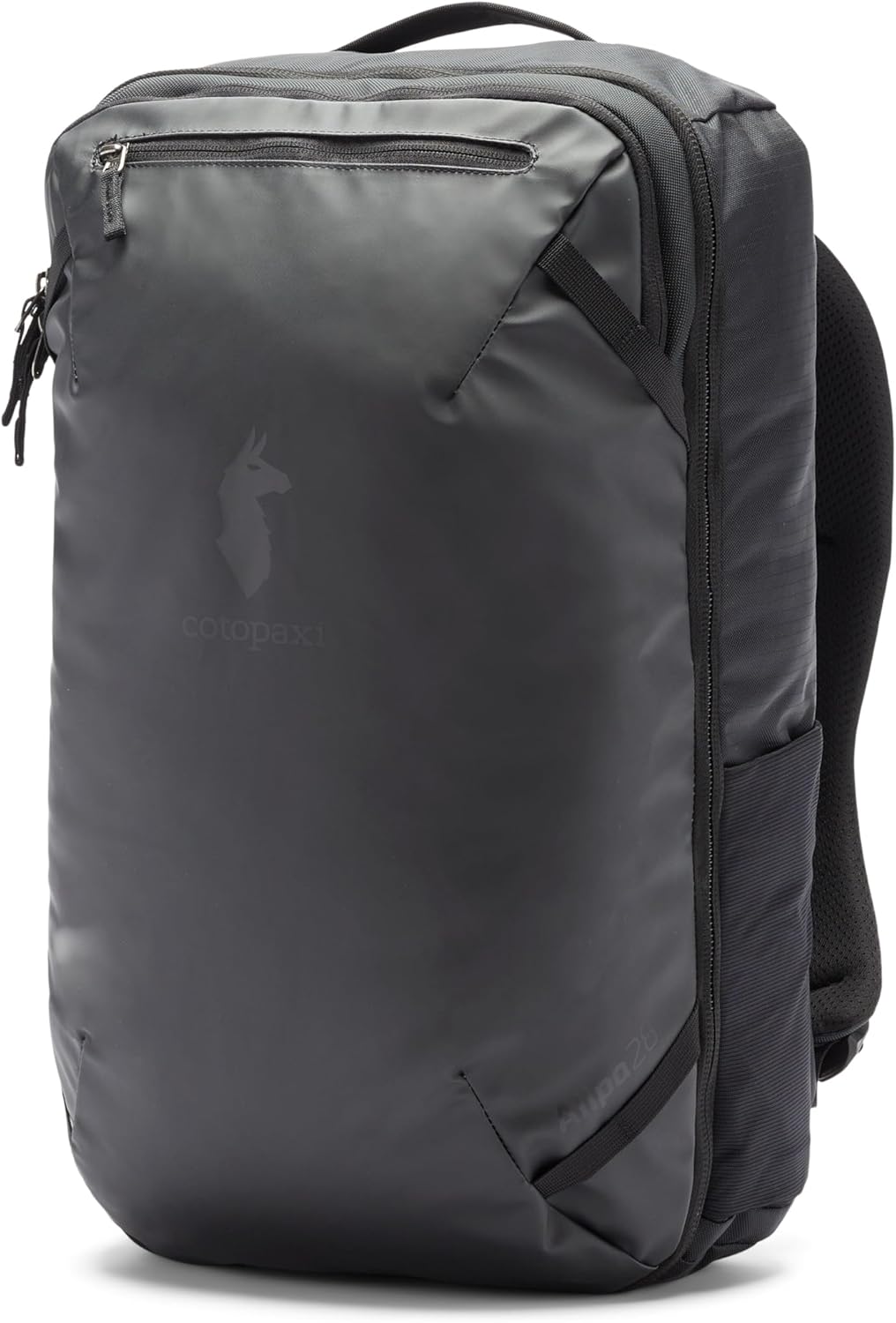
3. Cotopaxi Allpa 28L — Best Upcycled Pack
Score: 8.9 / 10 | Price: $205 | Weight: 1.02 kg
Cotopaxi makes packs from remnant fabric — material that would otherwise be discarded as manufacturing waste. Every Batac is genuinely one-of-a-kind. Your color combination will be different from mine. That’s the point.
What I found on trail: The Batac surprised me in Utah. I expected a “fashion-first” pack to feel compromised. It didn’t. The 400D recycled ripstop held up against sandstone scrambles without visible abrasion. The hipbelt is minimal but functional for loads up to 28 kg.
Material credentials:
Best for: Day trips, festival use, casual hiking, anyone who hates looking like everyone else on trail.
One honest drawback: The internal organization is basic. Power users will miss dedicated laptop sleeves and gear loops.
4. Osprey Talon Earth 22 — Best Eco-Friendly Backpack for Technical Hiking
Score: 8.7 / 10 | Price: $175 | Weight: 780g
Osprey’s Talon Earth series uses recycled nylon and polyester throughout — including the frame sheet and hipbelt foam, which most competitors leave in conventional materials. The 2026 update adds a recycled aluminum stay, pushing the recycled content to approximately 82% by weight.
What I found on trail: This is the pack for people who hike hard. The AirSpeed suspension creates genuine ventilation — my back stayed relatively dry on the Costa Rica cloud forest climbs, which is no small feat at 30°C with 95% humidity. Load transfer to the hips is exceptional.

Material credentials:
Best for: Technical day hiking, trail running, fast-and-light overnights.
One honest drawback: Heavier than non-framed competitors. The suspension system earns its weight, but ultralight hikers will notice.
See our full guide to eco-friendly backpacks for hiking →
5. Picture Organic Komit 22 — Best Biodegradable Backpacks (Truly Bio-Based)
Score: 8.5 / 10 | Price: $160 | Weight: 640g
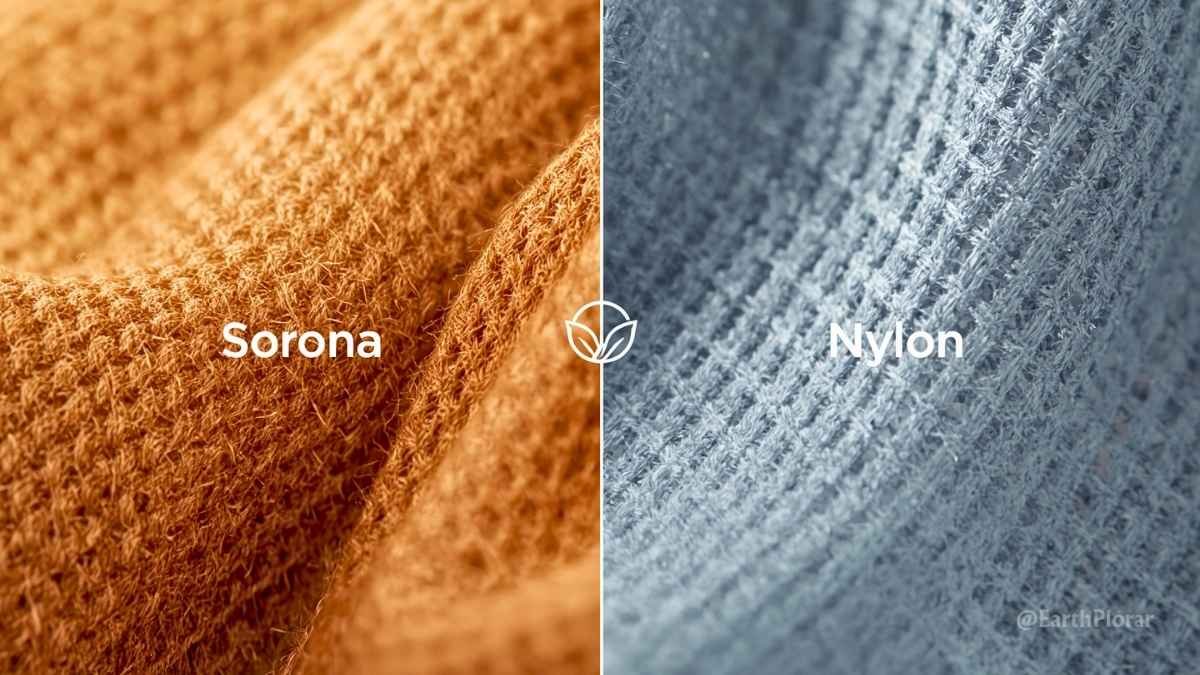
Picture Organic is the most aggressively material-forward brand on this list. The Komit 22 uses Sorona® fiber — a DuPont-engineered bio-based polymer made from 37% annually renewable plant-based sources (corn glucose). Under industrial composting conditions, Sorona® breaks down significantly faster than conventional nylon.
This is the closest thing to a genuinely biodegradable hiking pack commercially available in 2026.
What I found on trail: In Scotland, the Sorona® outer held up to three days of constant rain and heavy undergrowth contact without pilling or visible breakdown. The material has a slightly softer, almost textile-like hand feel compared to technical nylon — distinctive and pleasant.
Material credentials:
Best for: Hikers specifically seeking bio-based materials, environmentally conscious gift shoppers, anyone wanting to push beyond recycled-plastic solutions.
One honest drawback: Sorona® is somewhat less abrasion-resistant than high-tenacity nylon. It excels on soft-surface trails but showed minor scuffing on the Utah sandstone test. Not a deal-breaker — just know your terrain.
6. Db Journey Hugger 30L — Best Recycled Pack for Travellers
Score: 8.4 / 10 | Price: $229 | Weight: 1.1kg
Norwegian brand Db (formerly Douchebags — yes, really) produces the Hugger in 100% recycled polyester, sourced from post-consumer plastic bottles. It’s a travel pack at heart, but performs admirably on trail for moderate hikes.

Material credentials:
Best for: Carry-on travel that doubles as a trailhead-to-summit daypack.
7. United By Blue Teton 26L — Best Value Sustainable Pack
Score: 8.2 / 10 | Price: $110 | Weight: 590g
United By Blue removes one pound of trash from oceans and waterways for every product sold — a direct action model rather than carbon-offsetting. The Teton is built from recycled nylon, costs significantly less than premium competitors, and performs reliably on moderate trails.
Material credentials:
Best for: Budget-conscious buyers making their first sustainable gear purchase.
Certification Guide: What Labels Actually Mean
When shopping for the best biodegradable backpacks or recycled-material packs, certifications matter. Here’s a quick decoder:
Global Recycled Standard (GRS)
Verifies that recycled content claims are accurate and that supply chains meet social, environmental, and chemical requirements. The gold standard for recycled-material claims.
bluesign®
Focuses on responsible chemistry and manufacturing processes. A bluesign® label means the fabric was made without harmful substances and with reduced resource consumption.
Fairtrade Certified
Ensures fair wages and safe conditions for the workers who make the product — an often-overlooked dimension of “sustainable” gear.
OEKO-TEX® MADE IN GREEN
Certifies both that no harmful substances are present in the product AND that it was made in environmentally friendly and socially responsible facilities.
B Corp Certification
Covers the entire company — governance, workers, community, environment. Brands like Patagonia and Cotopaxi hold this. It’s the broadest signal of systemic values.
The Technology Behind Recycled-Material Hiking Packs
How Plastic Bottles Become Your Backpack
The most common recycled material in today’s eco-friendly backpacks for hiking is rPET — recycled polyethylene terephthalate. Here’s the chain:
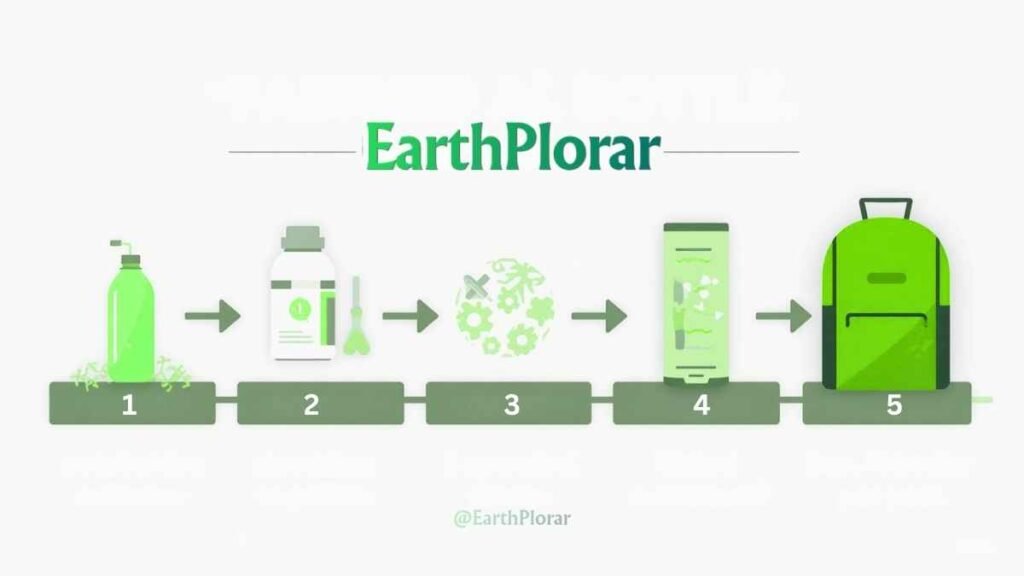
- Post-consumer PET bottles are collected, sorted, and cleaned
- Bottles are shredded into flakes and melted into pellets
- Pellets are extruded into fibre, then spun into yarn
- Yarn is woven into fabric, treated with PFC-free DWR, and cut into pack components
A single 30L pack typically uses 25–40 recycled 500ml bottles. The fabric produced is functionally identical to virgin polyester in tensile strength, stretch recovery, and UV resistance — as confirmed by independent testing published by the Hohenstein Institute.
What Makes a Pack Truly Biodegradable?
True biodegradability in outdoor gear is rare and technically complex. For a pack to biodegrade meaningfully:
- The polymer chains must be digestible by microbial action
- Biodegradation must happen in realistic timescales (years, not centuries)
- The process must not release microplastics or toxic by-products
Sorona® (used by Picture Organic) currently leads the commercially available field. Bio-based PLA (polylactic acid) composites are emerging but haven’t reached pack-grade durability at scale yet. Watch this space — 2027 developments from several EU-funded research programs look promising.
Side-by-Side Comparison of the Best Biodegradable Backpacks
| Pack | Volume | Weight | Recycled % | Key Cert | Price | Best For |
|---|---|---|---|---|---|---|
| Patagonia Black Hole 30L | 32L | 770g | 100% | bluesign®, Fair Trade | $179 | All-around |
| Fjällräven Kånken Eco 16L | 16L | 390g | 65% rPET | Oeko-Tex 100 | $135 | Everyday/travel |
| Cotopaxi Batac 28L | 28L | 1.02kg | 100% upcycled | GRS, B Corp | $205 | Casual hiking |
| Osprey Talon Earth 22 | 22L | 780g | 82% | bluesign® | $175 | Technical hiking |
| Picture Organic Komit 22 | 22L | 640g | 100% bio+recycled | MADE IN GREEN | $160 | Bio-material focus |
| Db Hugger 30L | 30L | 1.1kg | 100% rPET | GRS | $229 | Travel |
| United By Blue Teton 26L | 26L | 590g | High rNylon | OEKO-TEX | $110 | Budget entry |
How to Choose the Right Sustainable Pack for You
Not every sustainable hiking backpack is right for every person. Use this quick guide to choose the Best Biodegradable Backpacks 2026:
Choose the Patagonia Black Hole if:
- You want one pack for hiking, travel, and daily carry
- You value brand-level sustainability leadership
- Budget is secondary to longevity and performance
Choose the Osprey Talon Earth if:
- You hike technical terrain with heavier loads
- Ventilation and load transfer matter more than pack weight
- You want the highest verified recycled content by weight
Choose the Picture Organic Komit if:
- You specifically want bio-based, not just recycled materials
- You hike soft-surface trails (forests, meadows, established paths)
- You want to support material innovation at the frontier
Choose the Cotopaxi Batac if:
- Budget is a primary consideration
- You want casual-to-light hiking performance
- You appreciate genuinely unique, upcycled aesthetics
Use our interactive Pack Finder to match your needs →
Care and End-of-Life: Making Your Eco Pack Last
The most sustainable pack is the one you use for 10 years, not the one you replace every season.
Extend your pack’s life:
- Wash in cold water with a gentle, biodegradable soap — avoid harsh detergents that degrade DWR
- Reproof your DWR with a PFC-free spray (Nikwax TX.Direct is field-tested and reliable) every 1–2 seasons
- Store loosely — compressed storage crushes foam padding permanently
- Repair before replacing. Patagonia’s Worn Wear program and Osprey’s All Mighty Guarantee provide lifetime repair support
End-of-life options:
- Patagonia and Fjällräven both run take-back programs for worn products
- TerraCycle accepts outdoor gear for specialized recycling
- Local repair cafés often handle pack hardware and zipper replacement
FAQs about the Best Biodegradable Backpacks
Are biodegradable backpacks durable enough for serious hiking?
Yes — with important nuance. Packs made from recycled PET and recycled nylon are functionally identical in strength and weather resistance to conventional equivalents. Packs made from bio-based materials like Sorona® are slightly less abrasion-resistant than high-tenacity nylon on rocky terrain, but perform excellently on soft-surface trails and established paths. For technical scramblers on granite and sandstone, recycled nylon (Patagonia, Osprey) remains the most durable sustainable choice.
What does “recycled PET” actually mean in a backpack?
rPET stands for recycled polyethylene terephthalate — the same polymer used in most plastic drink bottles. Manufacturers collect, clean, shred, melt, and re-extrude this material into fibre that becomes pack fabric. The resulting fabric is chemically identical to virgin polyester in performance characteristics. A 30L pack typically contains the equivalent of 25–40 recycled 500ml bottles.
What certifications should I look for when buying a sustainable hiking backpack?
Prioritize packs carrying GRS (Global Recycled Standard) certification for verified recycled content claims, bluesign® for responsible chemistry and manufacturing, and OEKO-TEX® MADE IN GREEN for full product and facility transparency. B Corp certification at the company level signals the broadest systemic commitment. Avoid packs making vague “eco” or “green” claims without third-party certification — this is greenwashing.
Can I compost a biodegradable backpack at home?
Not yet with currently available products. Packs made from bio-based materials like Sorona® are certified for industrial composting — conditions of sustained high heat and controlled humidity that a home compost bin cannot achieve. True home-compostable outdoor packs don’t yet exist at performance grade as of 2026. The more practical end-of-life path for any pack is manufacturer take-back programs, repair, or specialist textile recycling via services like TerraCycle.
How do I maintain the water resistance on a recycled-material pack?
The DWR (Durable Water Repellent) coating on most sustainable packs is now PFC-free — better for waterways, but it does degrade slightly faster than older fluorocarbon-based treatments. Re-proof your pack every 1–2 seasons (or whenever water stops beading and starts soaking in) with a PFC-free spray or wash-in treatment. Nikwax TX.Direct Spray-On is the most widely tested option. Always wash your pack before re-proofing — dirt and oils prevent the treatment from bonding to fabric.
Are sustainable backpacks more expensive than conventional ones?
The premium has narrowed significantly. In 2026, the best recycled-material packs sit within 10–20% of conventional equivalents at similar quality tiers. At the entry level (United By Blue Teton at $110), there’s effectively no premium at all. At the premium tier, you’re paying partly for certifications and supply chain transparency — which have real production costs — and partly for brand sustainability leadership. Consider the total cost of ownership: a well-cared-for sustainable pack lasting 10+ years outperforms a cheap conventional pack replaced every 2–3 years on every metric.
The Bottom Line: Sustainable Gear Has Arrived
Here’s what four months of field testing confirmed: the best biodegradable backpacks of 2026 ask you to sacrifice nothing.
The Patagonia Black Hole stayed dry when conventional packs leaked. The Osprey Talon Earth moved load better than most standard frames. The Picture Organic Komit proved that bio-based fibres can take real trail abuse.
The outdoor industry is in the middle of a material revolution. Brands that led it early — Patagonia, Fjällräven, Cotopaxi, Picture Organic — now have years of refinement behind them. The result is sustainable hiking gear that doesn’t just compete with conventional options. In several meaningful ways, it surpasses them.
Key takeaways:
- For all-around performance: Patagonia Black Hole Pack 30L
- For technical hiking: Osprey Talon Earth 22
- For genuine bio-based materials: Cotopaxi Allpa 28L
- For budget entry: Fjällräven Kånken Eco 16L
- For travel: Db Hugger 30L
Your next adventure doesn’t have to cost the planet its future. These packs prove it.
Go Deeper With EarthPlorar
📬 Join the EarthPlorar Field Notes newsletter — every two weeks, field-tested sustainable gear picks, trail dispatches, and mindful travel intel. No spam. Unsubscribe any time.