








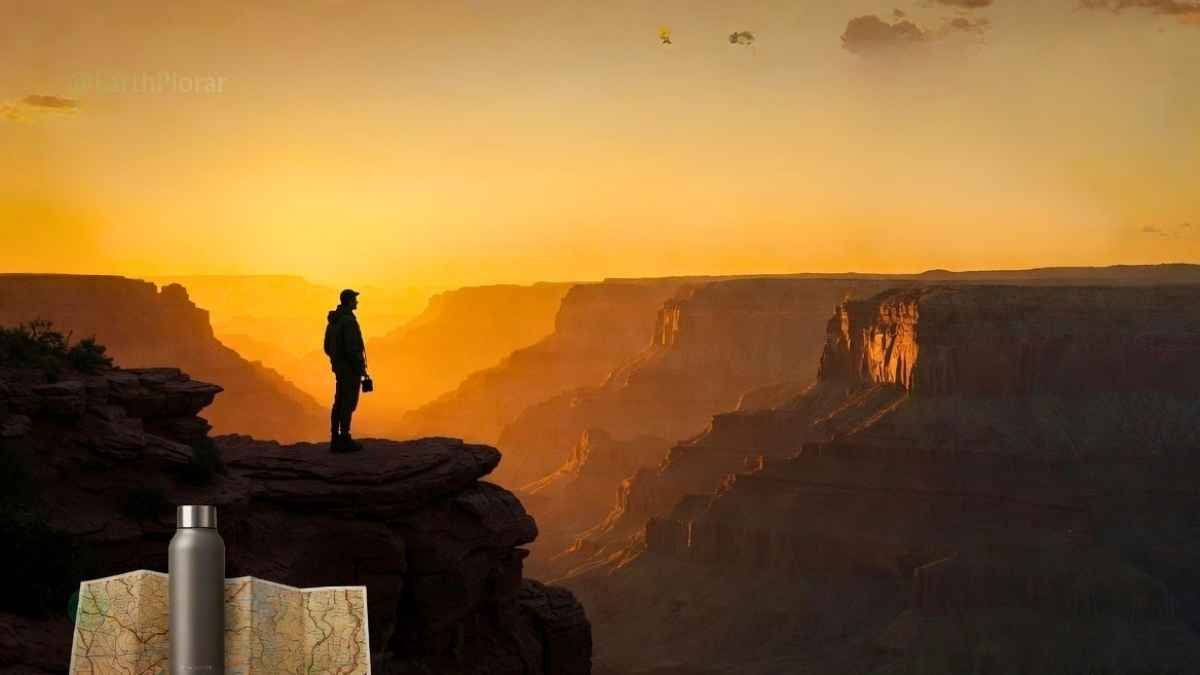
Earth’s Natural Wonders captivate travelers and scientists alike with their breathtaking beauty and profound geological stories. These extraordinary sites reveal the planet’s dynamic history while reminding us of our responsibility to protect them. At EarthPlorar.com, we believe exploration and conservation go hand in hand. This guide equips you with knowledge about geological formations, vibrant ecosystems, and practical mindful visiting protocols so you can experience these marvels responsibly.
- Why Earth’s Natural Wonders Matter
- Major Geological Formations That Define Earth’s Natural Wonders
- Exploring Vibrant Ecosystems Within Earth’s Natural Wonders
- Mindful Visiting Protocols: How to Explore Responsibly
- Top Earth’s Natural Wonders for Mindful Travelers
- Preparing for Your Sustainable Adventure
- Frequently Asked Questions (FAQs)
- Final Thoughts
You discover inspiration for your next mindful adventure while learning how to minimize your impact. Whether you dream of standing at the rim of a vast canyon or snorkeling above a living reef, sustainable practices ensure these treasures endure for future generations.
Why Earth’s Natural Wonders Matter
These sites showcase the power of natural processes over millions of years. They support incredible biodiversity and offer unique opportunities for personal growth and environmental awareness. Visitors who approach them with respect gain deeper connections to the planet.
Many rank as UNESCO World Heritage sites. They face growing pressures from climate change, overtourism, and human activities. Responsible travel helps counter these threats and supports local conservation efforts.
Major Geological Formations That Define Earth’s Natural Wonders
Geological forces shape Earth’s most iconic landscapes. You witness these processes in action at famous sites.
1. The Grand Canyon (USA)
The Colorado River carved this immense chasm over millions of years. Layered rock walls expose nearly two billion years of Earth’s history. You stand in awe of erosion’s patient power as you view the vast expanse.
2. Victoria Falls (Zambia/Zimbabwe)
This massive waterfall sends water plunging into a gorge. Mist rises dramatically and creates rainbows. The surrounding basalt rock tells stories of ancient volcanic activity.
3. Mount Everest and the Himalayas
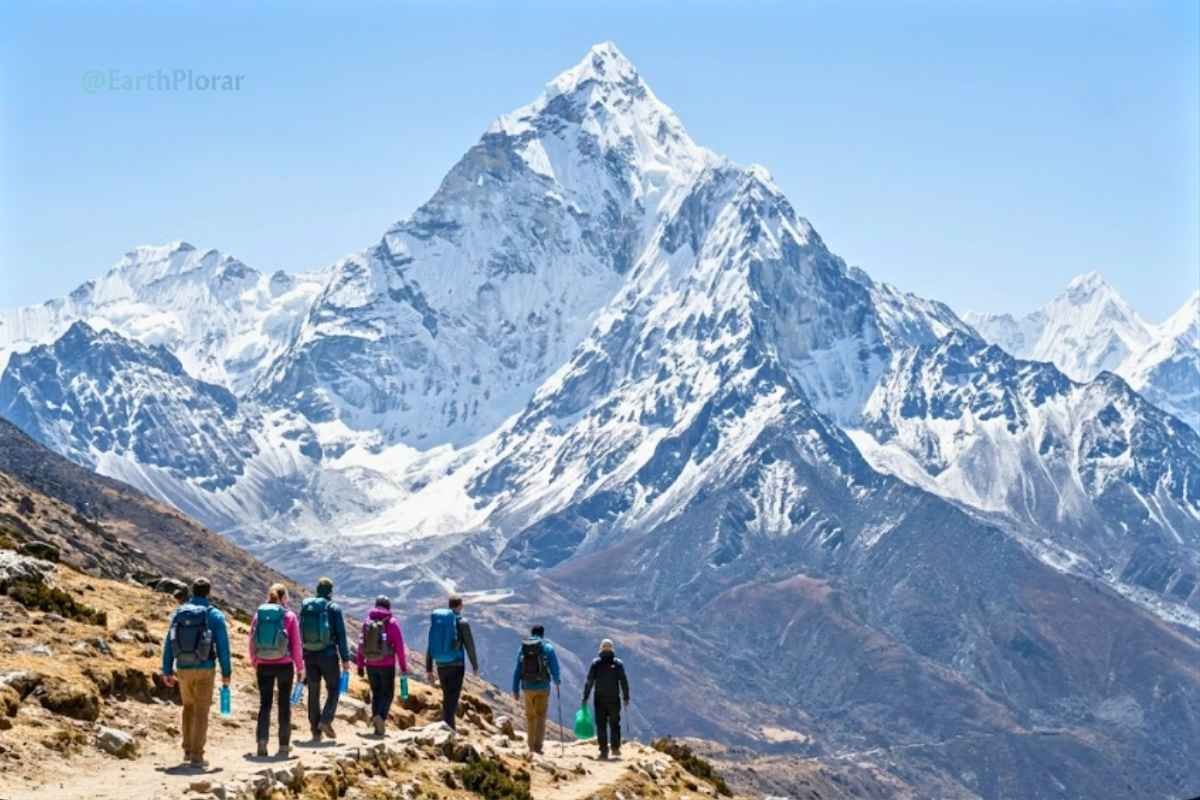
Tectonic plates continue to push these peaks higher. You experience the raw power of mountain-building processes at extreme altitudes.
Other formations include Parícutin Volcano in Mexico, which emerged dramatically in a cornfield, and various cave systems with stunning crystal formations.
Practical Tip: Research the specific geology of your destination before you travel. Internal link: Read our detailed guide to understanding rock formations and landscapes.
Exploring Vibrant Ecosystems Within Earth’s Natural Wonders
Diverse ecosystems thrive in these special places. They support species found nowhere else on Earth.
4. The Great Barrier Reef (Australia)
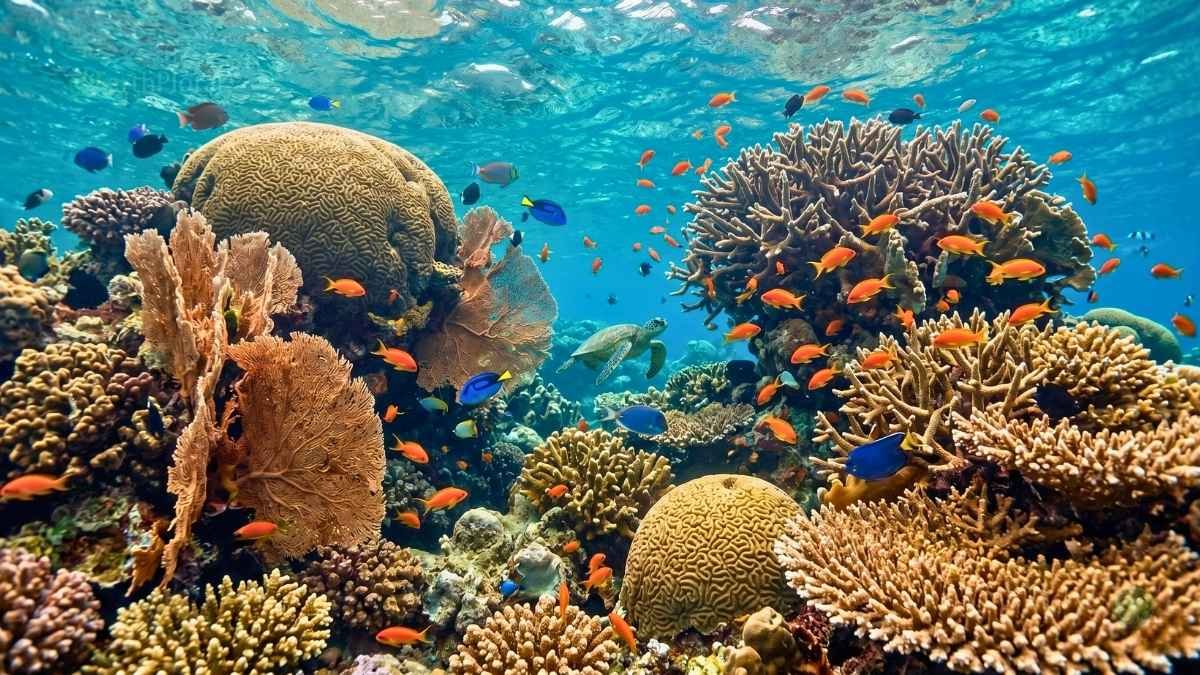
This largest coral reef system stretches over 1,600 miles. It hosts thousands of marine species, including colorful fish, sea turtles, and sharks. You see the intricate relationships that sustain this underwater world.
5. The Galápagos Islands (Ecuador)
Unique wildlife here inspired Charles Darwin. Giant tortoises, marine iguanas, and diverse finches demonstrate evolution in real time. Strict protection measures preserve this living laboratory.
6. Aurora Borealis (Various Northern Latitudes)
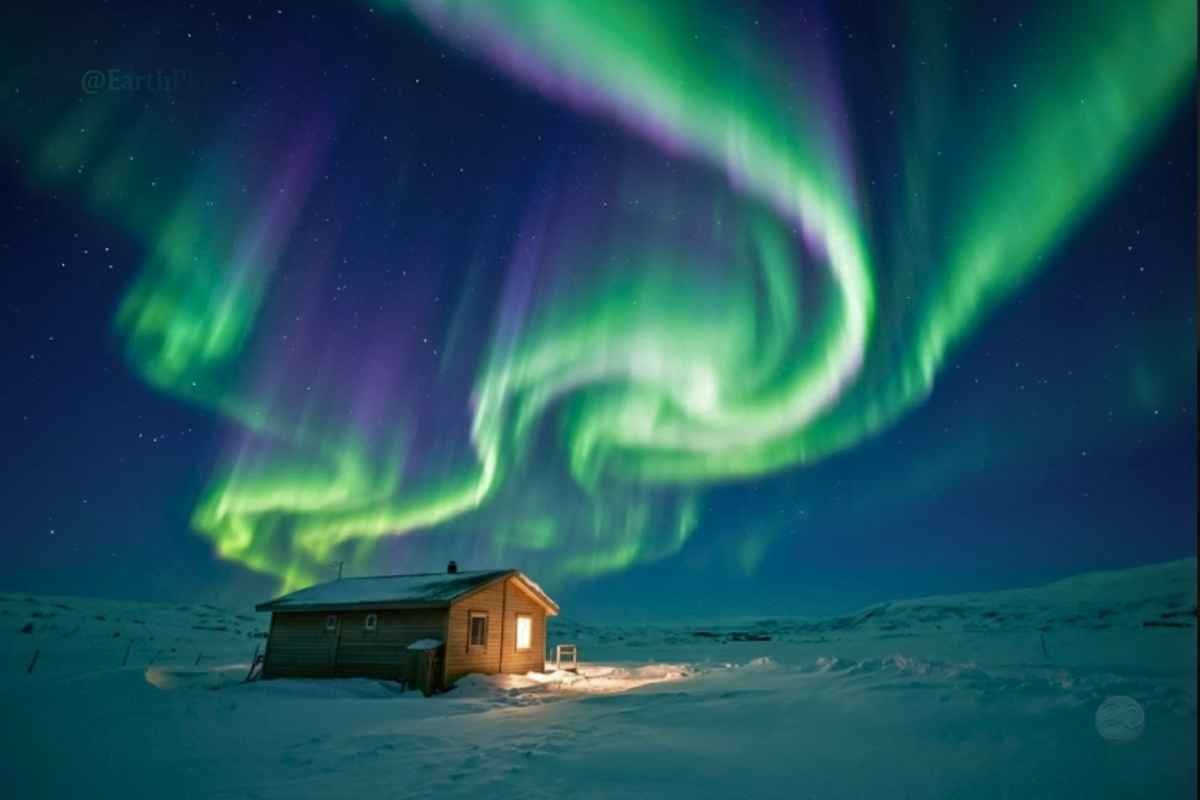
This natural light display results from solar particles interacting with Earth’s atmosphere. You witness a celestial phenomenon that connects our planet to the cosmos.
Healthy ecosystems provide essential services like clean air, water filtration, and carbon storage. When you visit, you witness the delicate balance that sustains life.
Mindful Visiting Protocols: How to Explore Responsibly
You protect Earth’s Natural Wonders when you follow intentional practices. Adopt the Leave No Trace principles on every trip.
Here are the seven core principles:
Additional Sustainable Travel Tips:
Learn more about Leave No Trace principles from the official organization. Explore our complete sustainable packing checklist before your next trip.
Top Earth’s Natural Wonders for Mindful Travelers
You can prioritize these destinations with strong conservation frameworks:
Each site offers unique opportunities to practice mindful exploration.
Preparing for Your Sustainable Adventure
You enhance your experience and reduce impact through proper preparation. Invest in quality, eco-friendly gear that lasts. Learn basic local phrases to connect respectfully with communities. Understand cultural sensitivities at sites near indigenous territories.
Frequently Asked Questions (FAQs)
What are the main threats to Earth’s Natural Wonders?
Climate change, overtourism, pollution, and habitat destruction pose serious risks. Responsible visitors help mitigate these threats through mindful actions and support for conservation.
How can I visit the Great Barrier Reef sustainably?
Choose operators with Reef Guardian or similar certifications. Use reef-safe products, avoid touching coral, and follow all guidelines provided by your guide.
What does Leave No Trace mean in practice?
Leave No Trace means you take nothing but photographs and leave nothing but footprints. You respect the environment, wildlife, and other visitors at all times.
Are all natural wonders suitable for beginners?
Many sites offer accessible options, but others require advanced fitness or specialized skills. Always research difficulty levels and choose experiences that match your abilities.
How does sustainable travel benefit local communities?
Responsible tourism creates jobs, supports conservation funding, and encourages preservation of cultural heritage when managed ethically.
What gear should I bring for eco-friendly exploration?
Pack reusable water bottles, biodegradable toiletries, sturdy reusable bags, and clothing made from sustainable materials. Check our sustainable gear recommendations for detailed lists.
Can individual actions really protect large natural sites?
Yes. Collective mindful behavior reduces cumulative damage, influences tourism operators, and builds political will for stronger protections.
Final Thoughts
Earth’s Natural Wonders offer profound experiences that connect you to the planet’s incredible history and fragile beauty. You now understand key geological formations, supporting ecosystems, and essential mindful visiting protocols. By traveling with respect and intention, you become part of the solution that preserves these treasures.
Start planning your next responsible adventure today. Embrace the principles of sustainable exploration and inspire others through your actions.
Subscribe to the EarthPlorar.com newsletter for more practical guides, eco-friendly tips, and updates on sustainable destinations. Explore our full collection of Travel Guides and Eco-Friendly Living articles. Share your own mindful travel stories in the comments below. Together, we can ensure Earth’s Natural Wonders continue to inspire generations to come.