









“The world is a book, and those who do not travel read only one page.” — Saint Augustine
Most travellers visit the same places. They crowd the same viewpoints, queue for the same temples, and snap the same photos. But the world holds far more than its famous highlights.
- What Makes a Destination “Undiscovered”?
- The Best Undiscovered Travel Destinations by Region
- How to Find Your Own Undiscovered Destinations
- Responsible Travel: The Ethics of “Discovering” a Place
- A Quick-Reference Summary Table of Undiscovered Travel Destinations
- FAQs about Undiscovered Travel Destinations
- The World Is Bigger Than You Think: A Final Word
- Ready to Go Deeper?
The best undiscovered travel destinations sit quietly off the tourist map — waiting for the curious, the bold, and the patient. They reward travellers who look beyond the guidebook’s first chapter. And in 2026, with overtourism reshaping iconic landmarks like Venice, Kyoto, and Machu Picchu, finding those hidden travel gems has never felt more urgent — or more rewarding.
This article takes you there.
We have curated the most remarkable, underrated travel spots across six continents. Every destination on this list offers genuine depth: rich culture, breathtaking landscapes, real local encounters, and the rare gift of solitude. Whether you are a seasoned explorer or planning your first big adventure, these are the places that will change how you see travel.
Let us go.
What Makes a Destination “Undiscovered”?
Before we dive in, let us define what we mean. A destination is not necessarily undiscovered because no one has been there. It is undiscovered in the traveller’s sense when:
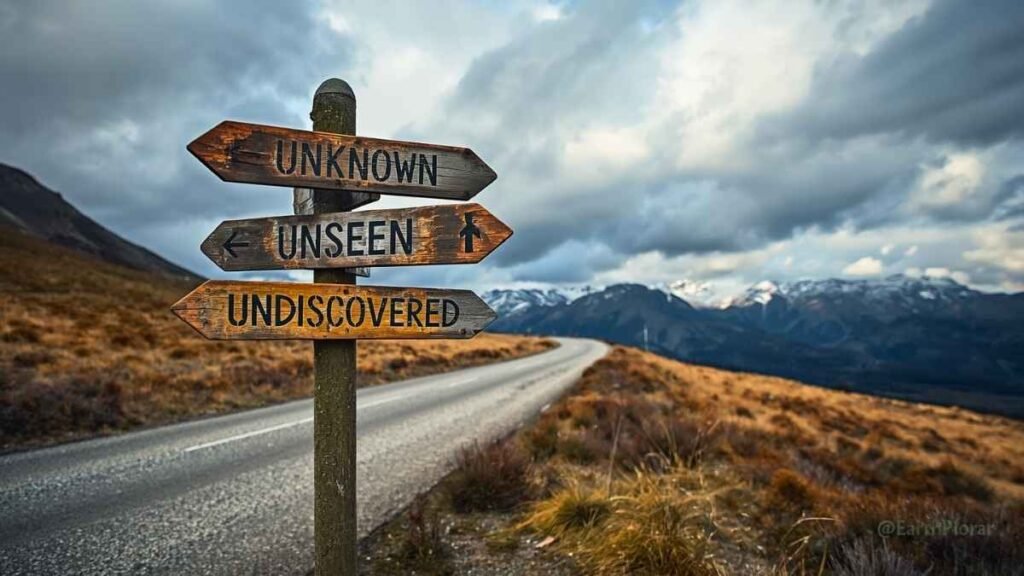
These destinations exist on every continent. You just need to know where to look. And EarthPlorar has done that work for you.
The Best Undiscovered Travel Destinations by Region
Europe’s Best Hidden Travel Gems
1. Albania’s Riviera — The Mediterranean’s Best-Kept Secret
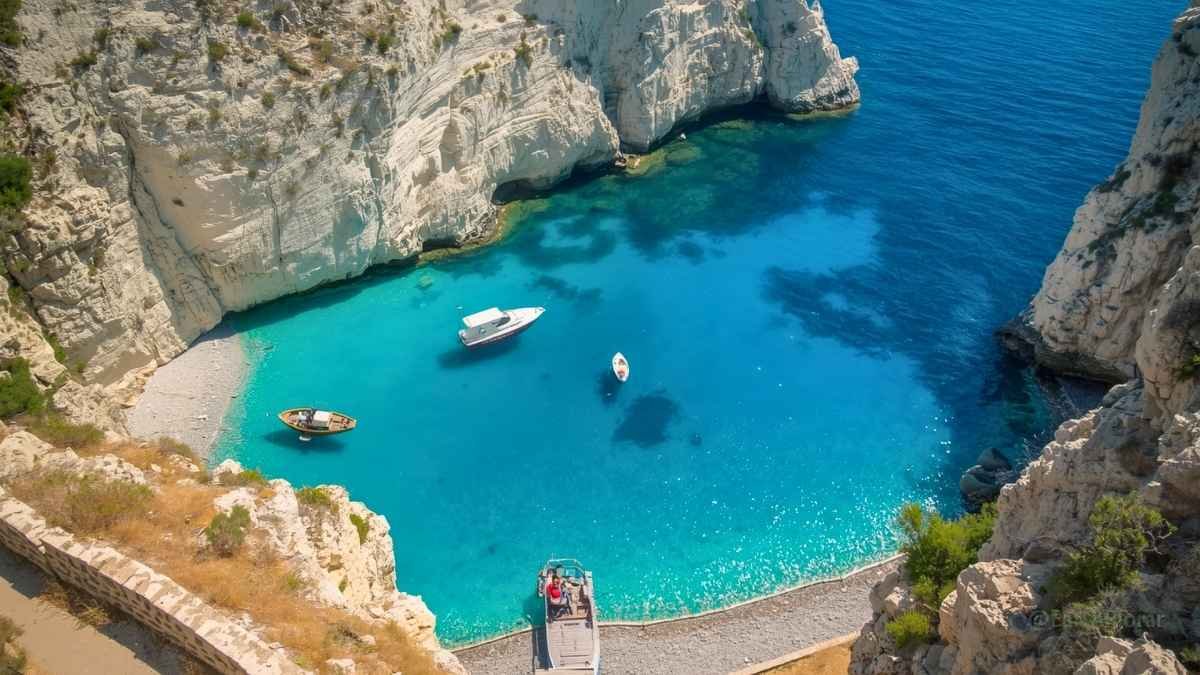
Albania has spent decades in the shadows of its Adriatic neighbours. That era is ending — but the window is still open. The Albanian Riviera stretches along the Ionian coast from Vlorë to Sarandë, offering dramatic cliffs, turquoise coves, and villages that feel untouched by the twenty-first century.
Why it is extraordinary:
- The village of Dhermi sits above crystalline waters that rival Santorini — at a fraction of the cost
- Gjirokastër, a UNESCO World Heritage Site, is a stone-built Ottoman city of extraordinary beauty and almost no crowds
- Butrint National Park, also UNESCO-listed, holds layered ruins from Greek, Roman, Byzantine, and Venetian civilisations — all in a single hour’s walk
Practical notes:
- Best visited: May to June or September to October
- Currency: Albanian Lek (ALL); budget travellers can live well on €30–€50 per day
- Visa: Most EU and US passport holders can enter visa-free
📍 Explore our Albania travel guide →
Authoritative source: The UNWTO’s 2024 Tourism Barometer lists Albania among Europe’s fastest-growing but least-visited tourism markets.
2. Faroe Islands, Denmark — Where Sky and Sea Collide
The Faroe Islands feel invented. Eighteen volcanic islands suspended between Iceland and Norway, draped in perpetual mist, carpeted in improbably green grass, and populated by more sheep than people (the ratio is roughly 80,000 sheep to 53,000 humans).
These are secret travel destinations that have entered the conversation but still receive fewer than 150,000 visitors annually — a number most European capitals see in a long weekend.
What makes it unmissable:
- Lake Sørvágsvatn creates an optical illusion that makes it appear suspended above the ocean. It is real. It is not Photoshop.
- Gásadalur is a hamlet of six residents with a waterfall that plunges directly into the sea below
- Hiking trails connect every village. There are no major highways. The pace of life is unlike anywhere else in Europe.
Practical notes:
- Best visited: June to August for maximum daylight
- Getting there: Fly via Copenhagen (SAS) or Reykjavik (Atlantic Airways)
- Weather: Expect all four seasons in a single afternoon; pack accordingly
📍 Explore our Faroe Islands travel guide →
3. Matera, Italy — Europe’s Oldest Living City
Most people visiting Italy head to Rome, Florence, or the Amalfi Coast. Matera — a city in Basilicata, southern Italy — remains off the primary tourist circuit despite being one of the most extraordinary places on Earth.
Matera’s Sassi (literally “stones”) are cave dwellings carved into a ravine and continuously inhabited for over 9,000 years. It was once called “the shame of Italy” for its poverty. Today it is a UNESCO World Heritage Site and a place of haunting, otherworldly beauty. It also served as the filming location for Mel Gibson’s The Passion of the Christ and the 2021 James Bond film No Time to Die.
Key experiences:
- Sleep in a cave hotel carved directly into the rock face — some of the most atmospheric accommodation in the world
- Walk the Murgia Plateau trail for panoramic views across the ravine at sunrise
- Discover churches painted with Byzantine frescoes, hidden inside caves that look like ordinary walls
📍 Explore our Southern Italy hidden gems guide →
Asia’s Most Unexplored Places to Visit
4. Socotra Island, Yemen — The Galápagos of the Indian Ocean
No destination on this list is more visually alien than Socotra. Located off the Horn of Africa in the Arabian Sea, Socotra is a UNESCO World Natural Heritage Site and home to some of the most unique flora on Earth. A full third of its plant life exists nowhere else in the world.
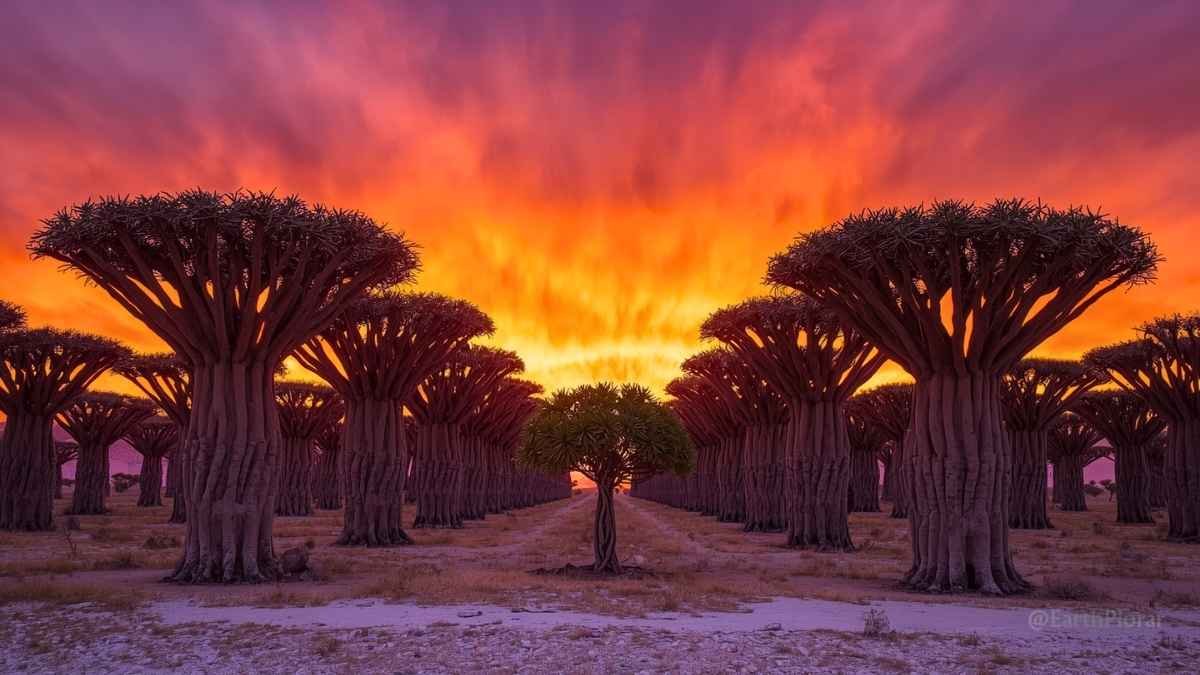
The defining image is the Dragon Blood Tree (Dracaena cinnabari) — an umbrella-shaped tree with red sap, looking like something from a science fiction film. It is real. It grows here in forests that cover ancient plateaus.
Why Socotra is extraordinary:
- Over 700 endemic species of plants, birds, and reptiles call it home
- The coastline offers untouched white sand beaches with zero development
- The local Socotri people maintain one of the oldest oral languages in the Arab world — a living cultural treasure
Important travel note: Socotra remains accessible but requires careful planning due to Yemen’s ongoing conflict. Travellers enter via flights from Abu Dhabi (Air Arabia Oman). Always check your government’s travel advisory before visiting. The UK Foreign Office and US Department of State provide current guidance.
📍 Explore our Socotra travel guide →
5. Karakol, Kyrgyzstan — Central Asia’s Outdoor Capital
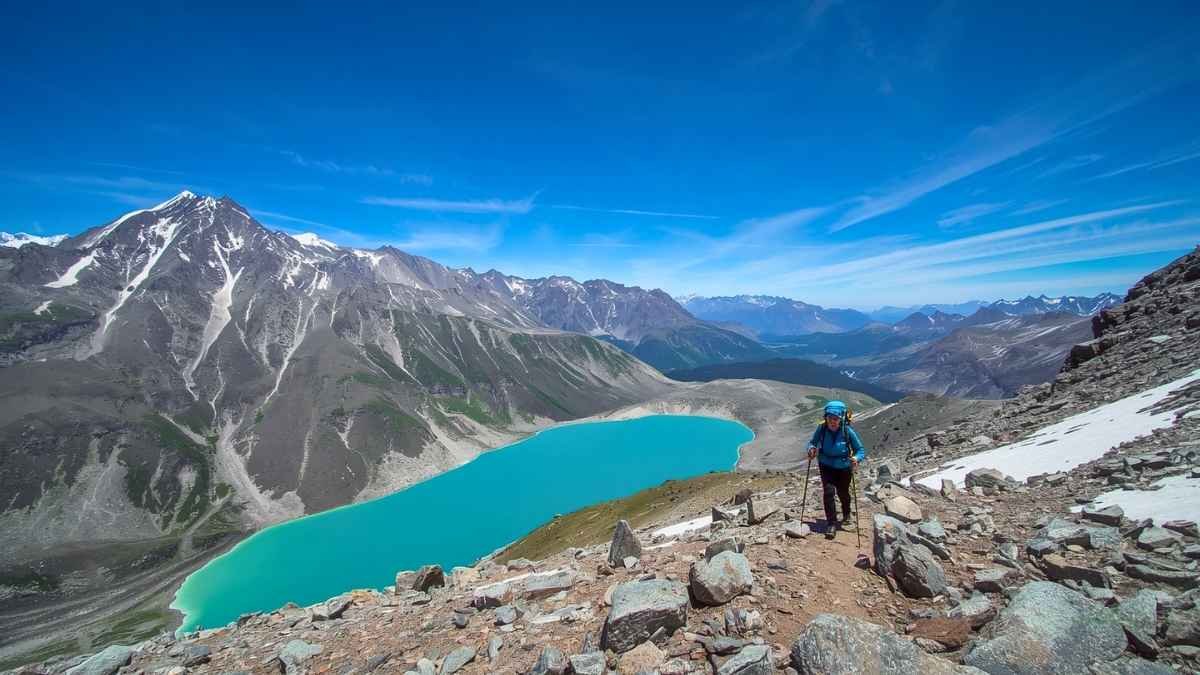
Kyrgyzstan is one of the least visited countries in the world — yet it contains some of the most spectacular mountain scenery anywhere on Earth. Karakol, a small town in the east of the country near Lake Issyk-Kul (the second-largest alpine lake on the planet), is the base camp for extraordinary adventure.
What to do here:
- Trek to Ala-Kul Lake — a glacial lake at 3,500 metres that turns a vivid turquoise blue in summer
- Horse trek through the Terskey Ala-Too mountains with nomadic herders who maintain traditional yurt culture
- Ski in Karakol Ski Resort during winter — excellent slopes, almost no queues, prices that feel like 1995
The hospitality of the Kyrgyz people is legendary. Expect to be invited into homes, offered endless cups of kymyz (fermented mare’s milk), and treated as a genuine guest rather than a revenue source.
Practical notes:
- E-Visa available online for most nationalities
- Best trekking season: June to September
- Budget: One of the most affordable adventure destinations on Earth
📍 Read our Kyrgyzstan adventure travel guide →
6. Togean Islands, Indonesia — The Archipelago Nobody Talks About
Indonesia has Bali. Bali has a problem: it has too many people who know about Bali.
The Togean Islands sit in the centre of Sulawesi’s Gulf of Tomini. Getting there takes effort — a flight to Palu or Luwuk, then hours by bus, then a boat. That effort is the price of admission to one of the world’s last genuinely pristine marine environments.
The Togeans sit at the heart of the Coral Triangle, a region the World Wildlife Fund calls “the Amazon of the Seas.” The biodiversity here defies belief.
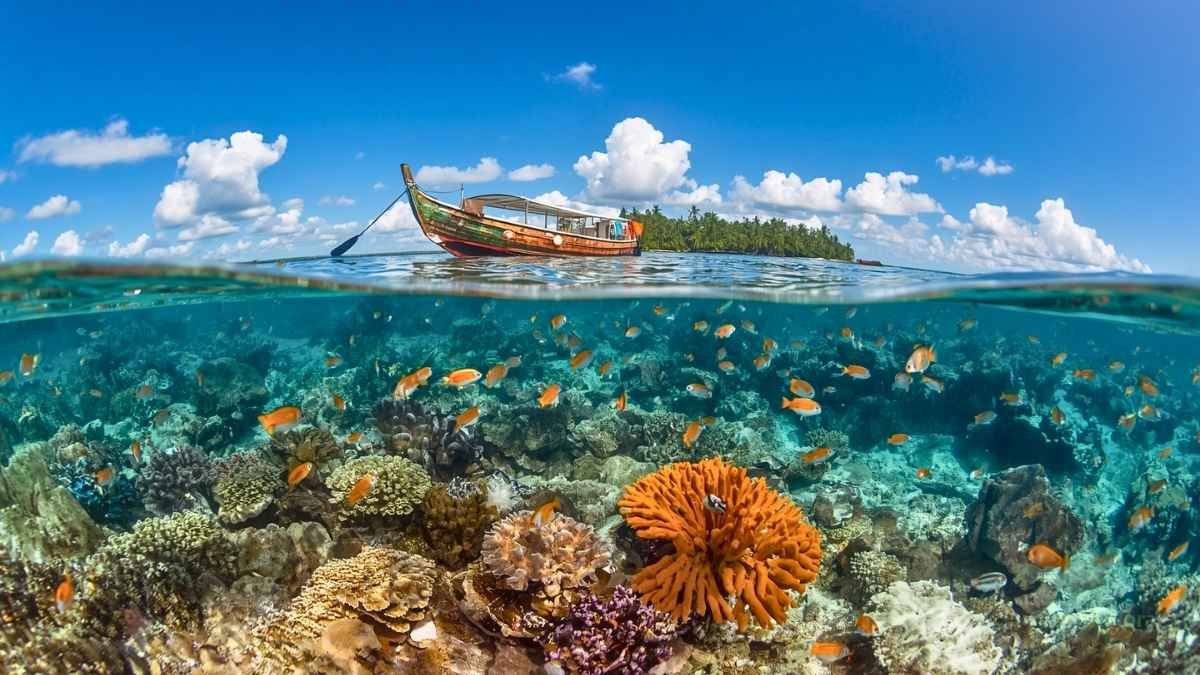
What awaits you:
- Bajau Sea Nomads — one of the last ocean-dwelling peoples on Earth, living in stilt villages above the water
- Snorkelling and diving over coral that has never been damaged by anchor or pollution
- Chocolate chip starfish, pygmy seahorses, and whale sharks in the same body of water
- No phone signal. No Instagram. No distractions.
📍 Discover more Indonesian hidden gems →
Africa’s Most Underrated Travel Spots
7. São Tomé and Príncipe — Africa’s Forgotten Islands
Floating in the Gulf of Guinea, roughly 250 kilometres off the coast of Gabon, the twin-island nation of São Tomé and Príncipe receives fewer than 30,000 tourists per year. For perspective: the Louvre in Paris gets that number every two days.
What it offers instead:
- Obô Natural Park — a cloud forest of extraordinary density covering half the island, home to endemic bird species found nowhere else
- Roça plantations — crumbling colonial-era cocoa estates being transformed into eco-lodges, telling a complex history with honesty
- Chocolate so fresh and nuanced it will permanently recalibrate your expectations
- Beaches that look like screensavers. Empty. Pristine. Real.
São Tomé and Príncipe is a destination for travellers who value depth over convenience. It is also one of the most politically stable and safest destinations in West Africa.
📍 Explore our Africa hidden gems guide →
8. Bardiya National Park, Nepal — The Unsung Tiger Reserve
Everyone who visits Nepal knows Chitwan. Far fewer know Bardiya, a national park in Nepal’s western Terai that offers the same wildlife — Bengal tigers, one-horned rhinoceroses, elephants, gharial crocodiles — with a fraction of the visitors.
According to Nepal’s Department of National Parks, Bardiya sees roughly one-tenth of Chitwan’s tourist traffic. Tiger sighting success rates are higher. The jungle is wilder. The experience is more intimate.
What sets Bardiya apart:
- Walking safaris led by expert Tharu guides — no vehicles required
- A genuine sense that you are inside a living, breathing wilderness, not a managed theme park
- Opportunities to stay with Tharu communities and learn about one of Nepal’s oldest indigenous cultures
📍 Read our Nepal off-the-beaten-path guide →
The Americas: Undiscovered Destinations Hiding in Plain Sight
9. Chiquitanía, Bolivia — Jesuit Missions in the Jungle
Bolivia’s salt flats (Salar de Uyuni) have achieved global fame. Less than 10% of that fame has reached Chiquitanía, the vast lowland region east of Santa Cruz, home to six extraordinary Baroque churches built by Jesuit missionaries in the seventeenth and eighteenth centuries.
These missions — collectively a UNESCO World Heritage Site — are alive. Local communities still use these churches for daily worship. The music of the Chiquitos people, a fusion of indigenous instruments and European Baroque composition, has been called one of the world’s most remarkable living musical traditions by UNESCO’s Intangible Cultural Heritage programme.
Every two years, the region hosts the Baroque Music Festival of Bolivia — a global event that remains almost entirely unknown outside specialist circles.
Practical notes:
- Base yourself in San Ignacio de Velasco for the best access
- The “Jesuit Missions Circuit” is a road trip best done over 4–5 days
- Most travellers combine it with Salar de Uyuni for a complete Bolivia experience
📍 Explore our Bolivia beyond the salt flats guide →
10. Chiloé Archipelago, Chile — The Island at the End of the World
Southern Chile is not undiscovered. Patagonia, Torres del Paine, and the Carretera Austral attract travellers from around the world. But Chiloé — a large island and surrounding archipelago 1,200 kilometres south of Santiago — exists in its own universe, rarely appearing on international travel itineraries.
Chiloé is famous in Chile for three things:
- Its palafitos — brightly coloured wooden houses built on stilts over the sea in the town of Castro
- Its wooden churches — a network of over 150 timber Catholic churches built by Jesuits, collectively UNESCO-listed
- Its mythology — one of Latin America’s richest traditions of folklore, featuring sea monsters, witches, and ghost ships that local people genuinely treat with the respect of living belief
Beyond the culture, the landscape is haunting: rolling green hills, constant mist, wild Pacific coasts, and a pace of life that feels entirely disconnected from the modern world.
📍 Discover Chile’s hidden south →
Oceania: The Region Most Travellers Forget
11. Tuvalu — The Country That May Disappear
Tuvalu is the fourth-smallest country on Earth by area and one of the least visited nations in the world, receiving fewer than 2,000 tourists annually. It sits in the central Pacific, a collection of nine low-lying atolls surrounded by an ocean so remote that the nearest significant landmass is hundreds of kilometres away.
Visiting Tuvalu is not easy. It is not particularly cheap. And it carries an urgency that no other destination on this list shares.
Tuvalu is sinking. Rising sea levels, driven by climate change, threaten to submerge the archipelago within decades. The Tuvaluan government has already negotiated an agreement with Australia for its citizens to relocate. This is, in the most literal sense, a destination with a disappearing deadline.
Travellers who come here find:
- Some of the clearest, most undisturbed lagoon water on Earth
- A community of remarkable warmth and openness
- A perspective on climate change that no documentary can replicate
According to a 2023 IPCC report on small island developing states, Tuvalu faces existential risk from sea level rise even under the most optimistic emissions scenarios.
📍 Explore Pacific Island travel →
How to Find Your Own Undiscovered Destinations
The destinations above are extraordinary. But the mindset that finds them is even more valuable. Here is the framework experienced travellers use to discover places nobody else knows:
1. Follow the infrastructure, not the hype
New airports, roads, and border crossings signal developing tourism. Countries that have recently opened or improved access — like Uzbekistan, Rwanda, and Timor-Leste — tend to offer remarkable experiences before the tour operators arrive.
2. Read government tourism reports
National tourism boards publish annual visitor statistics. Sort by “lowest visited” and start researching from there. The UNWTO World Tourism Barometer is an excellent free resource.
3. Travel in the shoulder season
Even well-known destinations become undiscovered in the off-season. The Amalfi Coast in November. Kyoto in February. These places transform when the crowds dissolve.
4. Ask the locals, not the algorithms
The most extraordinary places in every country are known to local taxi drivers, hotel owners, and market vendors. Ask specifically: “Where do you go on holiday?” The answer will never appear in a listicle.
5. Use lesser-known booking platforms
Sites like Workaway, Couchsurfing, and local guesthouses accessed via regional booking platforms often unlock accommodation — and communities — that are invisible to international tourism infrastructure.
📍 Read our full guide: How to Travel Like a Local →
Responsible Travel: The Ethics of “Discovering” a Place
Sharing undiscovered destinations comes with responsibility. The history of travel writing is filled with examples of once-pristine places overwhelmed within years of being “discovered” by a major publication or social media account.
EarthPlorar is committed to responsible travel. We follow and recommend the guidelines of the Global Sustainable Tourism Council (GSTC), which sets the international standards for sustainable tourism.
When visiting off-the-beaten-path destinations, please:
- Stay longer, spend locally. Use local guesthouses, eat at family-run restaurants, and hire local guides. Tourism spending that flows into local communities creates genuine incentive for conservation.
- Limit social media sharing thoughtfully. Consider not geotagging sensitive natural sites. The Leave No Trace Center for Outdoor Ethics offers excellent guidance on the “social media impact” question.
- Respect local customs radically. In less-touristed places, your behaviour sets a precedent for how all future travellers are received.
- Travel slowly. Overtourism is partly a product of rushing. Spend more time in fewer places.
📍 Read our Responsible Travel Manifesto →
A Quick-Reference Summary Table of Undiscovered Travel Destinations
| Destination | Region | Best For | Best Season | Difficulty |
|---|---|---|---|---|
| Albania’s Riviera | Europe | Beach + culture | May–Oct | Easy |
| Faroe Islands | Europe | Landscapes + hiking | Jun–Aug | Moderate |
| Matera, Italy | Europe | History + architecture | Apr–Jun | Easy |
| Socotra Island | Asia | Wildlife + nature | Oct–Apr | Difficult |
| Karakol, Kyrgyzstan | Asia | Trekking + nomadic culture | Jun–Sep | Moderate |
| Togean Islands | Asia | Marine biodiversity | May–Oct | Moderate |
| São Tomé & Príncipe | Africa | Eco-tourism + culture | Jun–Sep | Moderate |
| Bardiya NP, Nepal | Asia | Wildlife safaris | Oct–Apr | Easy |
| Chiquitanía, Bolivia | Americas | History + music | May–Oct | Moderate |
| Chiloé, Chile | Americas | Architecture + folklore | Dec–Mar | Easy |
| Tuvalu | Oceania | Remote + rare experience | Mar–May | Difficult |
FAQs about Undiscovered Travel Destinations
What are the best undiscovered travel destinations in 2026?
The best undiscovered travel destinations in 2026 include Albania’s Riviera (Europe), Socotra Island (Indian Ocean), Karakol in Kyrgyzstan (Central Asia), the Togean Islands in Indonesia, Chiloé in Chile, São Tomé and Príncipe (Africa), and Tuvalu in the Pacific. Each offers exceptional natural or cultural value with significantly fewer visitors than comparable mainstream destinations.
How do I find off-the-beaten-path destinations nobody else knows about?
The most reliable methods for finding off-the-beaten-path destinations include: consulting UNWTO visitor statistics to identify the world’s least-visited countries, reading regional travel blogs written by locals, travelling during the shoulder season, following infrastructure development in emerging destinations, and asking locals directly where they holiday. EarthPlorar’s Destination Discovery Guide provides a detailed step-by-step framework.
Are undiscovered destinations safe to travel to?
Safety varies significantly by destination. Many undiscovered travel spots — such as Albania, the Faroe Islands, Kyrgyzstan, and Chiloé — have excellent safety records and stable governments. Others, like Socotra, require careful research and itinerary planning due to regional instability. Always check your government’s official travel advisory (such as the UK Foreign Office or US Department of State) before booking. Travel insurance covering emergency evacuation is essential for remote destinations.
What are the least visited countries in the world?
According to UNWTO data, the world’s least visited countries include Tuvalu, Nauru, Marshall Islands, Kiribati, Comoros, Equatorial Guinea, and São Tomé and Príncipe. In Europe, San Marino, Liechtenstein, and Moldova receive remarkably few international tourists relative to their cultural value. Many of these countries offer extraordinary, authentic experiences precisely because tourism infrastructure has not developed to industrial scale.
How can I travel responsibly to undiscovered destinations?
Responsible travel to undiscovered destinations involves: choosing locally-owned accommodation and restaurants over international chains, hiring certified local guides, minimising waste and respecting environmental rules, being thoughtful about geotagging sensitive locations on social media, learning basic phrases in the local language, and travelling slowly to reduce the per-day environmental impact of your journey. EarthPlorar follows the Global Sustainable Tourism Council (GSTC) guidelines, and our Responsible Travel hub offers practical tools for every type of journey.
Is it better to visit undiscovered destinations now or wait?
The answer is: go now, thoughtfully. Many of the world’s most extraordinary undiscovered destinations face real threats — from climate change (Tuvalu), increasing infrastructure development (Albania), and gradual tourism growth (Faroe Islands). The window for experiencing these places at their most authentic is finite. The key is to visit before the crowds arrive, and to travel in a way that supports rather than accelerates the forces that transform them.
The World Is Bigger Than You Think: A Final Word
This is not a list. It is an invitation.
The Undiscovered Travel Destinations above are extraordinary because they demand something of you. They ask you to plan more carefully, travel more slowly, and engage more genuinely. They reward you with experiences that no five-star hotel lobby or famous landmark can replicate: the feeling of standing somewhere real, surrounded by something rare, knowing that you earned it.
Key takeaways from this guide:
- The world’s best undiscovered travel destinations span every continent and every type of experience — from mountain trekking in Kyrgyzstan to cultural immersion in Bolivia
- Finding hidden travel gems requires a shift in mindset as much as a change in itinerary
- Responsible, slow travel is the only sustainable way to access these places — and the approach that makes the experience most meaningful
- The window is real. These destinations will not stay undiscovered forever.
Ready to Go Deeper?
EarthPlorar exists for exactly this: helping curious, mindful travellers find the world’s most extraordinary places before everyone else does.
→ Subscribe to the EarthPlorar Newsletter — receive our curated monthly guide to the world’s best undiscovered destinations, practical travel tips, and exclusive itinerary ideas delivered directly to your inbox.
→ Explore our full Destination Guides Library — deep-dive articles for every region on Earth, written by travellers who have actually been there.
→ Download the EarthPlorar Adventure Travel Checklist — your printable, step-by-step preparation guide for off-the-beaten-path travel anywhere in the world.
The world is waiting. It always has been. You just needed to know where to look.