









“The planet is warming. So is the travel industry’s conscience. The coolcation is where both truths meet.”
The summer of 2025 broke heat records on five continents. Scientists at NOAA confirmed it as the hottest June–August stretch in recorded history. Travelers felt it too — overcrowded beaches baking under 42°C skies, wildfires rerouting itineraries, and the creeping guilt of knowing that a long-haul flight made it all marginally worse.
- What Is a Coolcation — And Why 2026 Is the Year to Take One
- The Best Coolcation Destinations 2026: Our Top Picks
- How to Make Your Coolcation Genuinely Low-Carbon
- The Rise of the Coolcation: Trend Data and What It Means
- EarthPlorar’s Coolcation Planning Checklist
- FAQs about Coolcation Destinations 2026
- The Cool Verdict: Travel Smarter in 2026
Coolcation destinations 2026 are the answer the planet didn’t know it needed. Part climate adaptation, part conscious rebellion, a coolcation trades the scorched-sand sprint for something quieter, higher, greener — and infinitely more memorable. In this guide, EarthPlorar maps the world’s finest cool-climate escapes for the mindful adventurer who refuses to burn the planet in the process.
Ready to travel smarter, breathe easier, and leave a lighter footprint? Let’s go.
What Is a Coolcation — And Why 2026 Is the Year to Take One
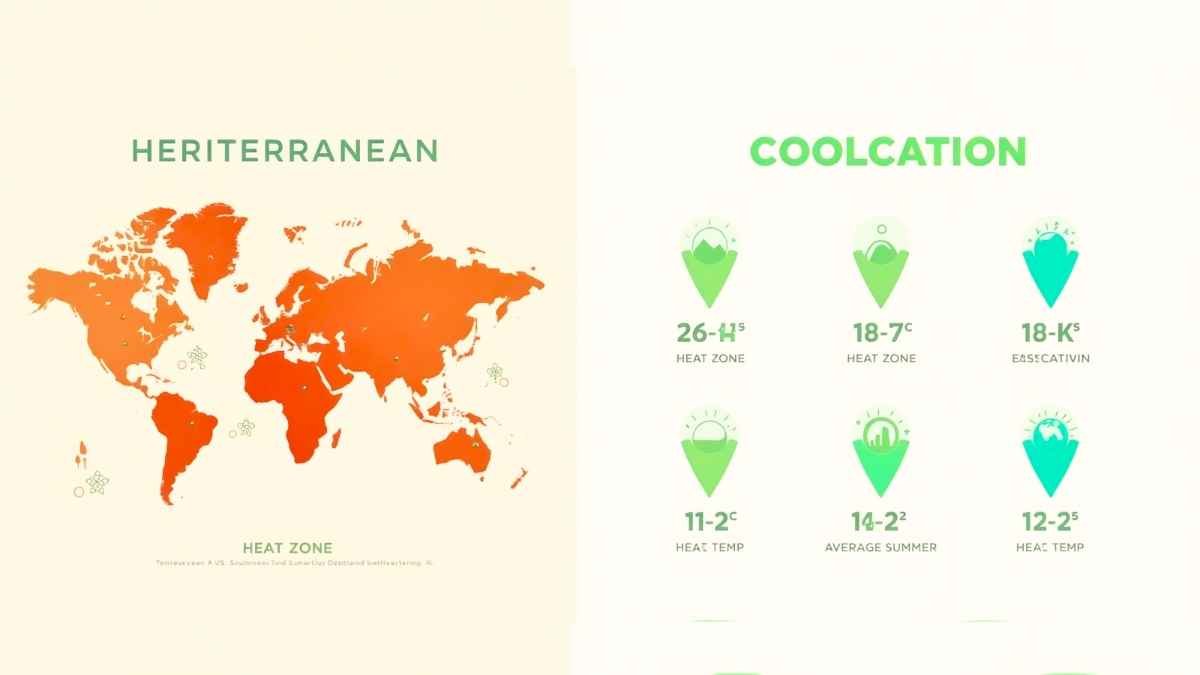
A coolcation is exactly what it sounds like: a deliberately cool-climate vacation chosen as an alternative to heat-heavy summer destinations. Think mist-covered fjords instead of crowded Mediterranean coves. Alpine meadows instead of sunbaked resorts. Coastal towns where the fog rolls in at dusk and a sweater is always welcome.
But a coolcation in 2026 is more than temperature management. It’s a statement.
The Climate Case for Cooling Down Your Itinerary
According to the World Meteorological Organization, global average temperatures are now consistently 1.3°C above pre-industrial levels. Heatwaves that used to be “once in fifty years” events now arrive every five to ten years. Southern Europe, Southeast Asia, and the American Southwest — once the default summer playgrounds — are regularly hitting temperatures that make outdoor exploration dangerous for vulnerable travelers.
The travel industry contributes roughly 8–11% of global greenhouse gas emissions when aviation, accommodation, and tourism infrastructure are combined, according to research published by Our World in Data. Choosing a coolcation — especially one reached by train, ferry, or short-haul flight — can slash a holiday’s carbon footprint by up to 70% compared with a long-haul tropical escape.
Three reasons coolcations matter in 2026:
→ Explore more on Why Sustainable Travel Is the Future of Tourism on EarthPlorar.
The Best Coolcation Destinations 2026: Our Top Picks
These are not compromise destinations. They are world-class experiences that happen to be cooler, calmer, and kinder to the planet.
1. The Faroe Islands, Denmark — Where the Clouds Are Part of the View
Average summer temperature: 11–14°C Carbon footprint tip: Fly into Vágar via Copenhagen on SAS or Atlantic Airways; offset via Gold Standard Best for: Dramatic landscapes, hiking, solitude
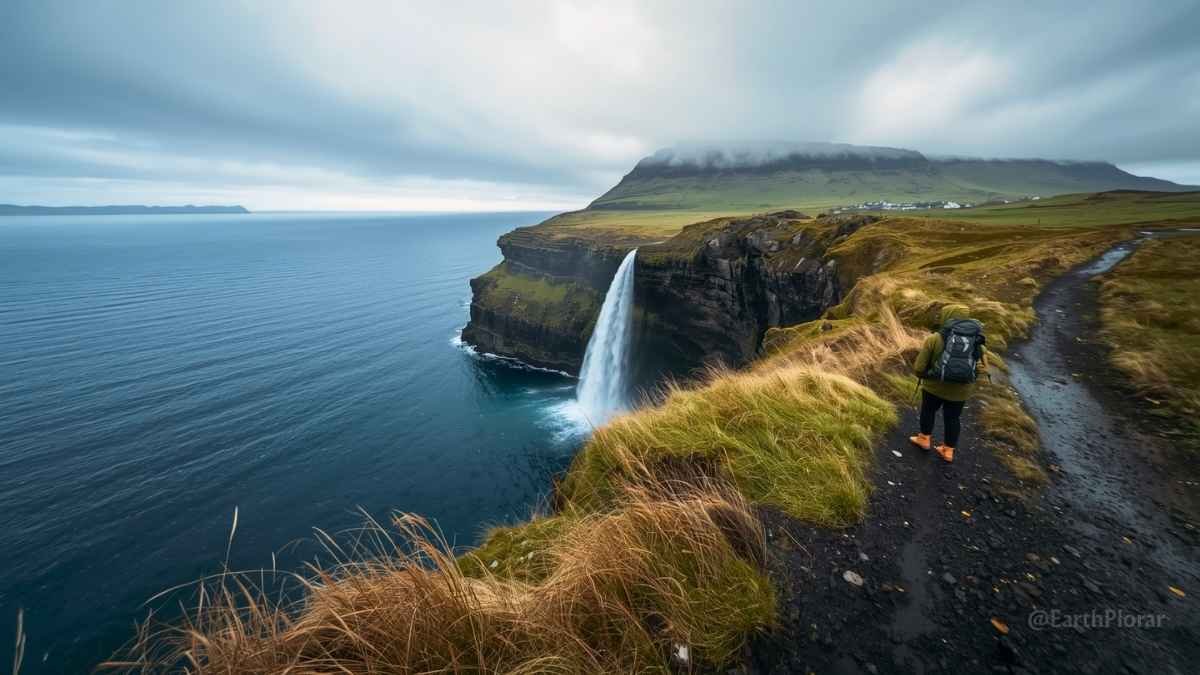
Few places on Earth command silence the way the Faroe Islands do. Eighteen volcanic islands suspended between Norway and Iceland, wrapped year-round in Atlantic mist and populated by more sheep than people. In 2026, the Faroese government’s Closed for Maintenance ecotourism programme — now in its fifth iteration — continues to invite visitors to help restore hiking trails and stone paths in exchange for behind-the-scenes access to protected areas.
What makes it a green escape:
- Over 50% of the islands’ electricity comes from renewable wind and hydro sources
- The Faroese Tourism Board actively caps visitor numbers at key sites like Sørvágsvatn lake
- Traditional ræst food culture means locally sourced, minimal-import dining
Don’t miss: The village of Gásadalur, accessible only by a 45-minute hike, rewards with a waterfall that drops directly into the Atlantic. No coach tour reaches it.
→ Read our full Faroe Islands Sustainable Travel Guide on EarthPlorar.
2. Scottish Highlands, United Kingdom — Ancient Landscapes, Modern Eco-Infrastructure
Average summer temperature: 14–18°C Carbon footprint tip: Take the Caledonian Sleeper train from London — one of Europe’s most scenic overnight rail journeys Best for: Wild swimming, whisky culture, rewilding experiences
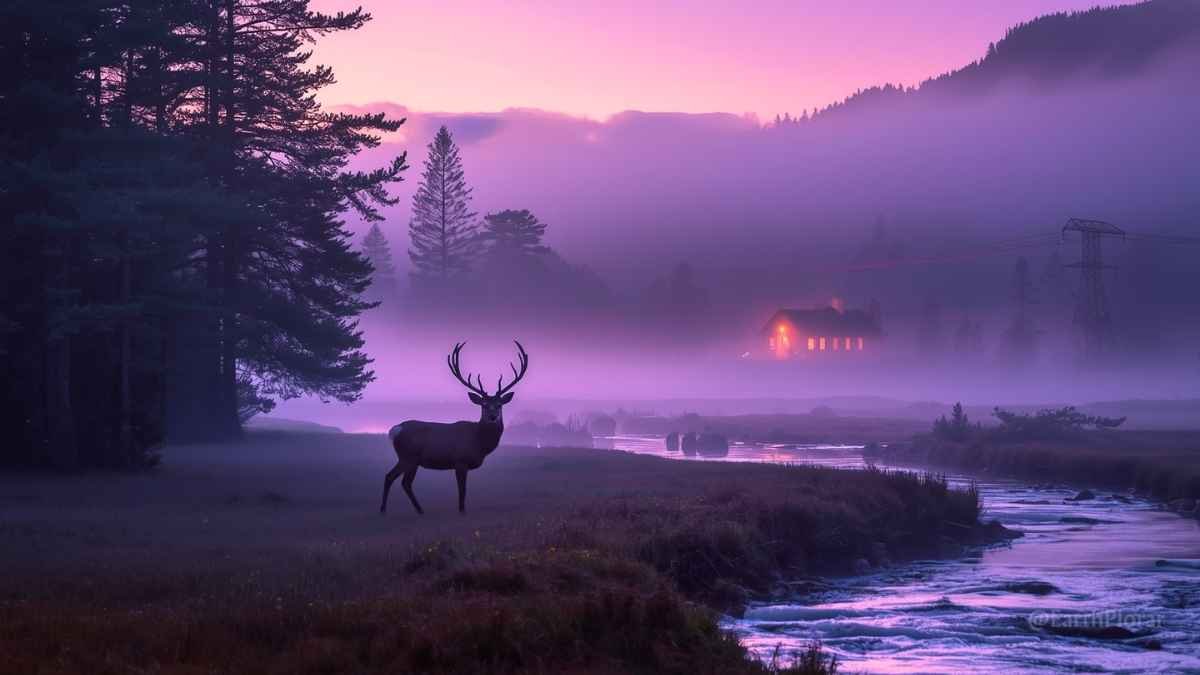
Scotland’s Highlands are undergoing a quiet revolution. Alongside the region’s timeless lochs and glens, a network of eco-lodges, rewilding estates, and community-owned land projects has emerged that makes the Highlands one of Europe’s most compelling sustainable travel destinations 2026.
Standout eco-experience: Alladale Wilderness Reserve in Sutherland is working to reintroduce wolves, lynx, and elk to rewilded Highland terrain. Visitors stay in sustainably built lodges and participate in conservation monitoring — citizen science tourism at its finest.
Green credentials:
- VisitScotland’s Green Tourism certification covers hundreds of properties
- The North Coast 500 driving route now includes EV charging stations at regular intervals
- Scotland generates over 100% of its electricity needs from renewables in peak months (SEPA data, 2025)
The low-carbon route: The Caledonian Sleeper departs London Euston at 21:15 and delivers you to Inverness by morning — saving approximately 90% of the carbon emissions of a return flight.
→ See our Scottish Highlands Eco-Travel Itinerary for a 7-day low-carbon route.
3. Hokkaido, Japan — Cool, Cultured, and Chronically Underrated
Average summer temperature: 17–22°C Carbon footprint tip: Take the Shinkansen to Shin-Hakodate-Hokuto, then local rail onward — Japan Rail Pass covers it Best for: Nature bathing, farm-to-table food culture, onsen wellness
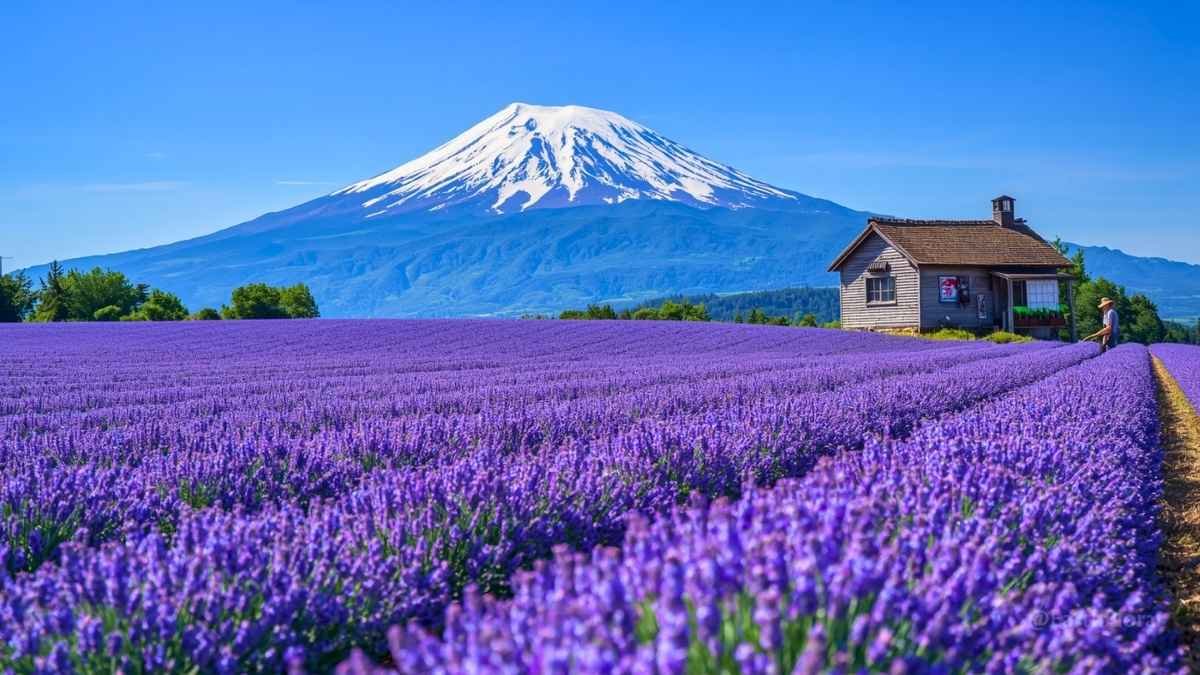
While Kyoto and Tokyo bake under urban heat islands pushing 35°C in August, Hokkaido sits in a different climate zone entirely. Japan’s northernmost main island is naturally temperate in summer — green, wild, and refreshingly crowd-free compared with the country’s iconic southern cities.
Why Hokkaido belongs on the eco-conscious radar:
The Japanese government’s Regional Revitalisation Programme actively funnels tourism infrastructure investment into Hokkaido to reduce pressure on the over-loved south. Traveling here means your yen directly supports this redistribution policy.
- Furano’s lavender fields (July) are farmed organically by families who have worked the land for four generations
- Daisetsuzan National Park — Japan’s largest — offers wilderness hiking through volcanic peaks with minimal crowds
- Kushiro Wetlands, a Ramsar-protected ecosystem, runs guided kayak ecotours operated by local Ainu community organisations
Food culture as sustainability: Hokkaido produces 20% of Japan’s food supply. Farm-to-table dining here isn’t a trend — it’s infrastructure. Visit farm stays near Biei for direct-from-producer meals that haven’t travelled further than 10km.
→ Related: Japan’s Greenest Rail Routes for Eco-Travellers on EarthPlorar.
4. Azores, Portugal — The Atlantic’s Best-Kept Green Secret
Average summer temperature: 19–23°C Carbon footprint tip: Direct flights from Lisbon, London, and Boston; São Miguel’s compact size means you rarely need a car Best for: Volcano hiking, whale watching, geothermal culture
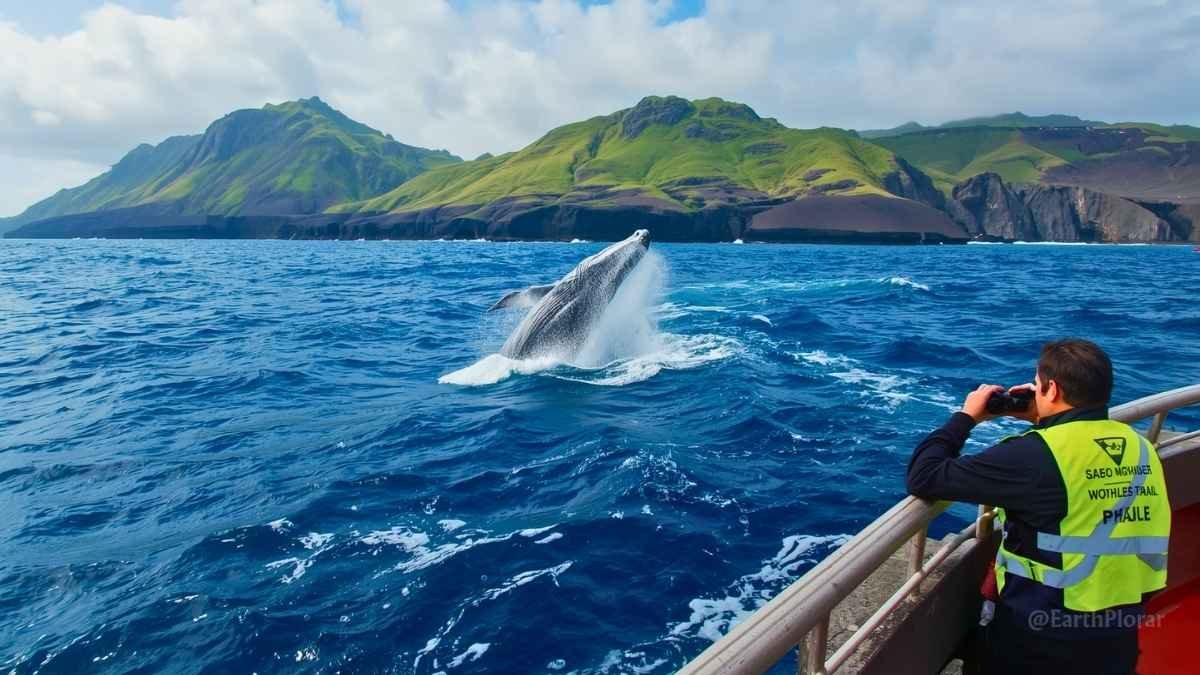
The nine islands of the Azores float in the mid-Atlantic like a geological fever dream — calderas filled with turquoise lakes, hot springs bubbling up through the earth, sperm whales breaching just offshore. São Miguel, the largest island, is frequently cited by Condé Nast Traveler as one of the world’s most sustainable destinations.
By the numbers:
- 60% of the Azores’ energy comes from geothermal, wind, and hydro sources
- The archipelago banned single-use plastics across all nine islands in 2022
- Whale watching operates under strict regulations: minimum distances, engine-off drift approaches, biologist guides on every vessel
The coolcation case: Summer temperatures rarely exceed 26°C, the sea is swimmable, and the interior — a patchwork of hydrangea-lined roads, tea plantations, and volcanic craters — never gets hot enough to feel uncomfortable. It’s Europe’s most temperate summer destination, and arguably its most beautiful.
→ Explore: Azores Eco-Travel: Your Complete Island Hopping Guide
5. Patagonia, Argentina & Chile — The Edge of the World, Handled Carefully
Average summer temperature (December–February): 8–15°C Carbon footprint tip: Fly into Buenos Aires or Santiago; take long-distance bus to the Lake District before connecting onward Best for: Trekking, glaciers, wilderness immersion
Patagonia occupies a special category of destination: a place so magnificent that protecting it has become a global cause. The Tompkins Conservation land donation — over a million hectares returned to national park status — remains one of the most ambitious private conservation acts in history, and it has reshaped what responsible travel here looks like.
Sustainable trekking in 2026:
- Torres del Paine introduced mandatory online booking for the W and O treks, with daily visitor caps enforced by CONAF rangers
- Rewilded pumas now roam corridors between protected areas — guided wildlife tracking with certified naturalists is one of Patagonia’s fastest-growing ethical tourism sectors
- The LEAVE NO TRACE centre has partnered with Chilean operators to deliver trail etiquette training at park entrances
Climate reality check: Patagonia’s glaciers — including the famous Perito Moreno — are retreating. Visiting them is a reminder, not a celebration. EarthPlorar encourages travelers to donate a percentage of their travel budget to Rewilding Patagonia as a direct offset.
→ See: How to Trek Patagonia Responsibly in 2026
6. Norwegian Fjords — The Gold Standard of Cool, Sustainable Scenery
Average summer temperature: 13–18°C Carbon footprint tip: Fly into Bergen, then travel the entire route by electric ferry and train — Norway’s maritime fleet is the world’s most electrified Best for: Fjord kayaking, village stays, electric adventure
Norway has quietly become the global benchmark for low-carbon travel infrastructure. In 2026, the world’s first fully electric cruise ship — MS Roald Amundsen’s zero-emission successor — operates full fjord loops. Meanwhile, Hurtigruten’s coastal route is progressively electrifying its fleet.
The fjord coolcation, powered differently:
- Nærøyfjord (UNESCO-listed) is accessed by electric ferry from Gudvangen with zero emissions on the water
- The Flåm Railway — voted one of the world’s most scenic train journeys — is 100% electric
- Bergen’s Bybanen light rail connects the airport to the city centre, and e-bikes are available for fjord-side exploration at every major village stop
Responsible travel note: Flåm village receives over 300,000 visitors annually, straining its tiny infrastructure. EarthPlorar recommends opting for Aurland or Undredal — quieter villages in the same fjord system — where local accommodation owners see direct economic benefit.
→ Read: Norway’s Electric Travel Revolution: A Guide for Eco-Travellers
How to Make Your Coolcation Genuinely Low-Carbon
Choosing a cool destination is step one. These principles ensure the journey earns its green credentials.
Choose Overland Routes Where Possible
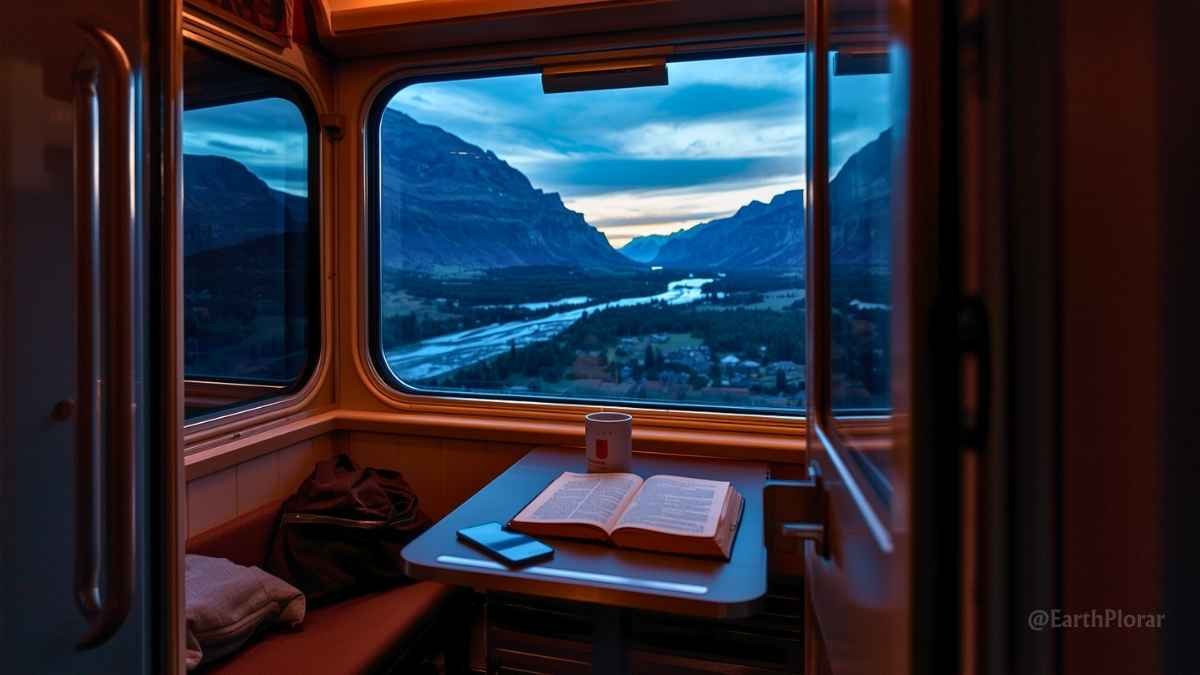
Rail is the single most effective way to reduce a holiday’s carbon footprint. Eurostar, Interrail, and Japan Rail Pass options cover most of the destinations above. When flying is unavoidable, choose direct routes — takeoff and landing account for the majority of a flight’s emissions.
Stay in Certified Eco-Accommodation
Look for properties certified by Green Key, EarthCheck, or local equivalents. These certifications verify energy use, water management, local sourcing, and community investment — not just good intentions.
Eat Hyper-Locally
Food miles matter. In Hokkaido, the Faroe Islands, or Patagonia, the local food system is intrinsically low-carbon. Eating at family-run restaurants and farm stays keeps money in communities and emissions low.
Offset Strategically
Offsetting is not a get-out clause — it’s a last resort after reducing emissions. Use verified programmes: Gold Standard, South Pole, or local reforestation projects in your destination country.
→ See EarthPlorar’s Carbon Offset Guide: What Actually Works before you book.
The Rise of the Coolcation: Trend Data and What It Means
Coolcation entered mainstream travel vocabulary around 2022, but 2026 marks its breakout moment. Here’s what the data shows:
- Google Trends reports a 340% increase in searches for “coolcation” between 2022 and 2025
- Booking.com’s 2026 Sustainable Travel Report found that 76% of global travellers intend to make at least one sustainable travel choice in 2026 — up from 61% in 2023
- Skyscanner data indicates that searches for Nordic and highland destinations spike 60% in June and July as Mediterranean temperatures climb
This isn’t niche anymore. The coolcation has moved from conscious-traveller subculture into mainstream summer planning — and destinations are adapting fast.
EarthPlorar’s Coolcation Planning Checklist
Use this before you book:

FAQs about Coolcation Destinations 2026
What exactly is a coolcation destination?
A coolcation destination is a travel location deliberately chosen for its cooler climate as an alternative to traditionally hot summer spots. The term typically refers to places with summer temperatures below 22°C — including highland areas, Nordic countries, coastal Atlantic islands, and sub-Antarctic regions — that offer outdoor experiences without the discomfort or health risks of extreme heat. In 2026, coolcation destinations increasingly overlap with sustainable travel options, as many cool-climate regions are investing heavily in eco-tourism infrastructure.
Are coolcation destinations more eco-friendly than tropical ones?
Not automatically — but many are. The eco-friendliness of a coolcation depends on how you travel, not just where. However, cool-climate regions like Norway, Scotland, and the Azores have made measurable investments in renewable energy, public transport, and sustainable tourism certification. The combination of these factors — plus the typically shorter flight distances from Europe and North America — does often result in a lower overall carbon footprint than a long-haul tropical escape.
What are the best coolcation destinations in 2026 for families?
For families, the best coolcation destinations 2026 combine manageable temperatures, safety, and child-friendly activities. The Azores offer gentle terrain, wildlife (whale watching, thermal pools), and short travel distances within each island. Scotland’s Highlands are superb for young hikers and wildlife spotters, with well-maintained trails and welcoming accommodation. Hokkaido’s farm stays and open-air markets are ideal for families with children curious about food and nature. All three offer excellent infrastructure without the logistical complexity of more remote destinations.
How do I offset the carbon footprint of a coolcation trip?
Start by calculating your emissions using a verified tool such as Atmosfair or the ICAO Carbon Calculator. Then purchase verified offsets through certified programmes: Gold Standard and Verra’s Verified Carbon Standard are the most rigorous. For destination-specific offsetting, look for reforestation or community energy projects in the country you’re visiting — your money stays closer to the ecosystem your travel affects. Remember: offsetting is a complement to reduction, not a replacement for it.
Which coolcation destinations in 2026 are best reached without flying?
Several of the best coolcation destinations 2026 are genuinely reachable without flying — at least from Europe. Scotland is accessible by rail from London via Edinburgh in under five hours. Norwegian fjords can be reached via Eurostar to Brussels, then onward train through Hamburg to Bergen, making it a scenic multi-day journey. The Azores require a flight from mainland Europe, but at roughly 2.5 hours from Lisbon, it’s one of the lowest-emission flight options available. Japan’s domestic coolcation — Hokkaido — is fully accessible by Shinkansen from Tokyo, making it ideal for travelers already in Japan.
Is a coolcation significantly cheaper than a beach holiday?
Often, yes. Destinations like Scotland, the Faroe Islands, and Norwegian village stays can undercut the peak-season costs of the Mediterranean or Southeast Asia, especially when you factor in the savings from rail travel over flights, and the reduced spending pressure of quieter destinations. Hokkaido and Patagonia can carry higher logistical costs due to their remoteness, but both offer extraordinary value relative to the quality of experience. The key is booking accommodation directly with local hosts rather than through large booking platforms — the money stays in the community, and the rates are frequently better.
The Cool Verdict: Travel Smarter in 2026
The era of the mindless sun-and-sea sprint is giving way to something richer. Coolcation destinations 2026 represent a shift in what travel can mean: not escapism at the planet’s expense, but genuine exploration that respects the systems sustaining us all.
Here’s what to carry away from this guide:
- The coolcation is both a climate adaptation and a travel philosophy — choosing cooler destinations reduces heat risk, eases pressure on over-visited spots, and often cuts carbon significantly
- Six destinations stand out in 2026: the Faroe Islands, Scottish Highlands, Hokkaido, the Azores, Patagonia, and the Norwegian Fjords — each offering world-class experiences with genuine green credentials
- How you travel matters as much as where — rail, electric ferry, certified eco-stays, and hyper-local eating are the pillars of a truly sustainable summer escape
- The trend is accelerating — data from Google, Booking.com, and Skyscanner confirms coolcations are entering the mainstream. Getting ahead of the curve means better availability, lower prices, and less-crowded trails
EarthPlorar believes that the best travel stories are the ones that leave both the traveller and the destination better than before. A coolcation, done right, is exactly that story.