






There is a moment — somewhere between the first breath of pine-scented mountain air and the sight of a wild animal moving freely through its natural habitat — when you understand exactly why national parks exist. They are not just protected lands. They are humanity’s greatest promise to the planet: a vow that some places will always remain wild, untamed, and extraordinary.
- Why the Best National Parks in the World Matter More Than Ever
- How We Ranked the World’s Most Iconic Protected Lands
- The 50 Best National Parks in the World: The Complete Ranked List
- Best National Parks for Every Type of Traveller
- How to Visit the World’s Best National Parks Responsibly
- Planning Your National Park Bucket List Adventure
- FAQs about the Best National Parks in the World
- Your Journey Starts Here: The Best National Parks Are Waiting
This guide ranks the 50 best national parks in the world, curated after years of firsthand exploration, expert consultation, and deep research across six continents. Whether you’re a seasoned trekker, a first-time nature traveller, or simply a dreamer building the ultimate bucket list, this is the only ranking you need.
We evaluated each park across five core criteria:
Let’s get into it.
Why the Best National Parks in the World Matter More Than Ever
Before we dive into the rankings, it’s worth pausing to ask: why do national parks matter?
According to the International Union for Conservation of Nature (IUCN), over 15% of the Earth’s land surface is now protected in some form — a milestone that took more than a century of global advocacy to achieve. National parks sit at the heart of that achievement. They protect biodiversity hotspots, regulate local climates, shelter endangered species, and provide billions of people with irreplaceable experiences in nature.
But they are also under pressure. Climate change, overtourism, and underfunding threaten even the most iconic landscapes on Earth. By visiting these parks responsibly, you become part of the solution. Your entrance fees, guided tours, and eco-lodge stays fund rangers, research, and restoration.
EarthPlorar’s Promise
Every destination we recommend aligns with principles of sustainable, responsible travel. Explore our responsible travel guide →
How We Ranked the World’s Most Iconic Protected Lands
Our ranking methodology draws on multiple authoritative sources, including:
We intentionally spread the list across all inhabited continents to reflect global diversity — not just Western-centric “classics.” Some entries will surprise you. All of them will inspire you.
The 50 Best National Parks in the World: The Complete Ranked List
Tier 1 — The Legendary Ten (Parks #1–10)
These are the parks that define the very concept of wilderness. Each one is a national icon, a conservation milestone, and a life-changing destination in its own right.
#1 — Yellowstone National Park, USA 🇺🇸
Location: Wyoming, Montana & Idaho, United States Size: 8,991 km² UNESCO World Heritage Site: Yes (1978) Best For: Geothermal wonders, megafauna wildlife, year-round adventure
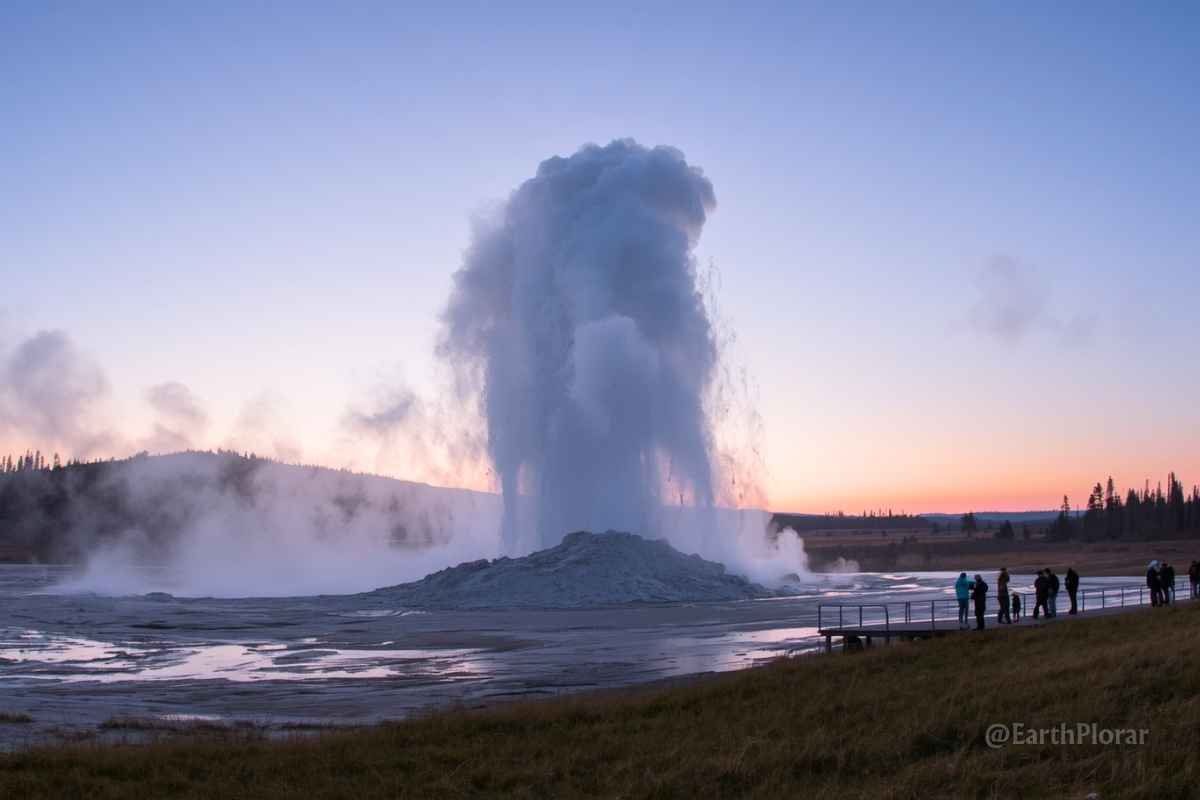
Yellowstone is not just the oldest national park in the world (established in 1872) — it is the archetype. It is the idea made real. Sitting atop one of Earth’s largest active volcanic systems, Yellowstone bubbles, steams, and erupts with a geological energy found nowhere else on the planet.
Over 10,000 geothermal features — including the iconic Old Faithful geyser — make Yellowstone a living classroom in Earth science. But it’s the wildlife that stops visitors cold. Grizzly bears roam free. Wolf packs hunt bison on open plains. Herds of elk cross rivers at dusk. This is rewilding on an epic scale.
Key Highlights:
EarthPlorar Insider Tip:
Visit in late September or October for the elk rut. The haunting bugling calls echoing across Hayden Valley are unforgettable.
#2 — Serengeti National Park, Tanzania 🇹🇿
Location: Mara and Simiyu Regions, Tanzania Size: 14,763 km² UNESCO World Heritage Site: Yes (1981) Best For: The Great Migration, big five safari, endless savanna
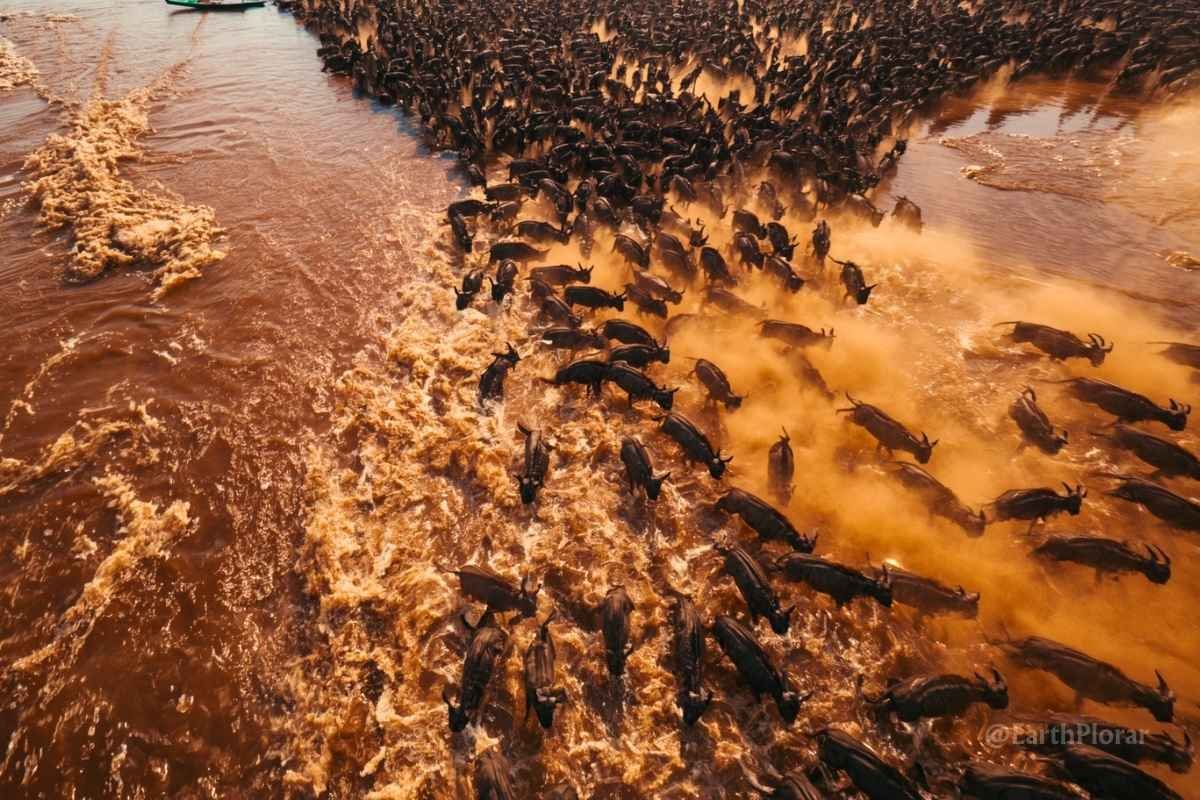
The word Serengeti derives from the Maasai language — it means “endless plains.” Stand at the centre of this ancient savanna at dawn and you’ll understand immediately. The horizon stretches forever in every direction, interrupted only by a lone acacia tree or the silhouette of a giraffe.
The Serengeti is home to the Great Migration — the largest overland animal migration on Earth, involving over 1.5 million wildebeest, 400,000 zebras, and 200,000 gazelles completing a 1,200-mile circular journey each year. Witnessing this spectacle is one of the most profound experiences available to any traveller.
Key Highlights:
EarthPlorar Insider Tip:
Book your Serengeti safari 12–18 months in advance for peak migration season. Mid-range fly-in camps offer the best value without sacrificing experience.
#3 — Patagonia National Parks, Chile/Argentina 🇨🇱🇦🇷
Location: Southern Patagonia (Torres del Paine, NP & Los Glaciares NP) Combined Size: ~7,000 km² UNESCO World Heritage Site: Los Glaciares (1981) Best For: Trekking, glaciers, dramatic granite peaks, raw wilderness
Few places on Earth deliver the visual impact of Patagonia’s southern parks. Torres del Paine’s three granite towers — the Torres — erupt from the earth like broken teeth, silhouetted against skies that cycle through every colour in an afternoon. Across the border in Argentina, Los Glaciares NP contains the awe-inspiring Perito Moreno Glacier: 30 kilometres of advancing blue ice that periodically calves with the sound of rolling thunder.
Together, these parks form one of the world’s most spectacular trekking destinations. The W Trek and the Patagonian Circuit are considered among the best long-distance walks on Earth.
Key Highlights:
EarthPlorar Insider Tip:
The best trekking window is November to March. Book refugios inside Torres del Paine up to a year ahead — they sell out fast.
#4 — Galápagos National Park, Ecuador 🇪🇨
Location: Galápagos Islands, Pacific Ocean Size: 7,995 km² UNESCO World Heritage Site: Yes (1978) Best For: Wildlife unlike anywhere else on Earth, snorkelling, evolution in action
Charles Darwin arrived at the Galápagos in 1835 and left with the seeds of a theory that would change science forever. Visiting today, you understand exactly why. The wildlife here shows no fear of humans — giant tortoises lumber past your boots, marine iguanas bask inches from your feet, and blue-footed boobies perform elaborate mating dances entirely indifferent to your camera.
The Galápagos Islands remain one of the most tightly regulated national parks in the world, and for good reason. That regulation protects an ecosystem found nowhere else on Earth.
Key Highlights:
EarthPlorar Insider Tip:
Choose a liveaboard cruise over land-based tours to access outer islands like Genovesa and Española — the wildlife density there is extraordinary.
#5 — Fiordland National Park, New Zealand 🇳🇿
Location: Southland, South Island, New Zealand Size: 12,607 km² UNESCO World Heritage Site: Yes (as part of Te Wahipounamu, 1990) Best For: Fiords, waterfalls, world-class hiking, solitude
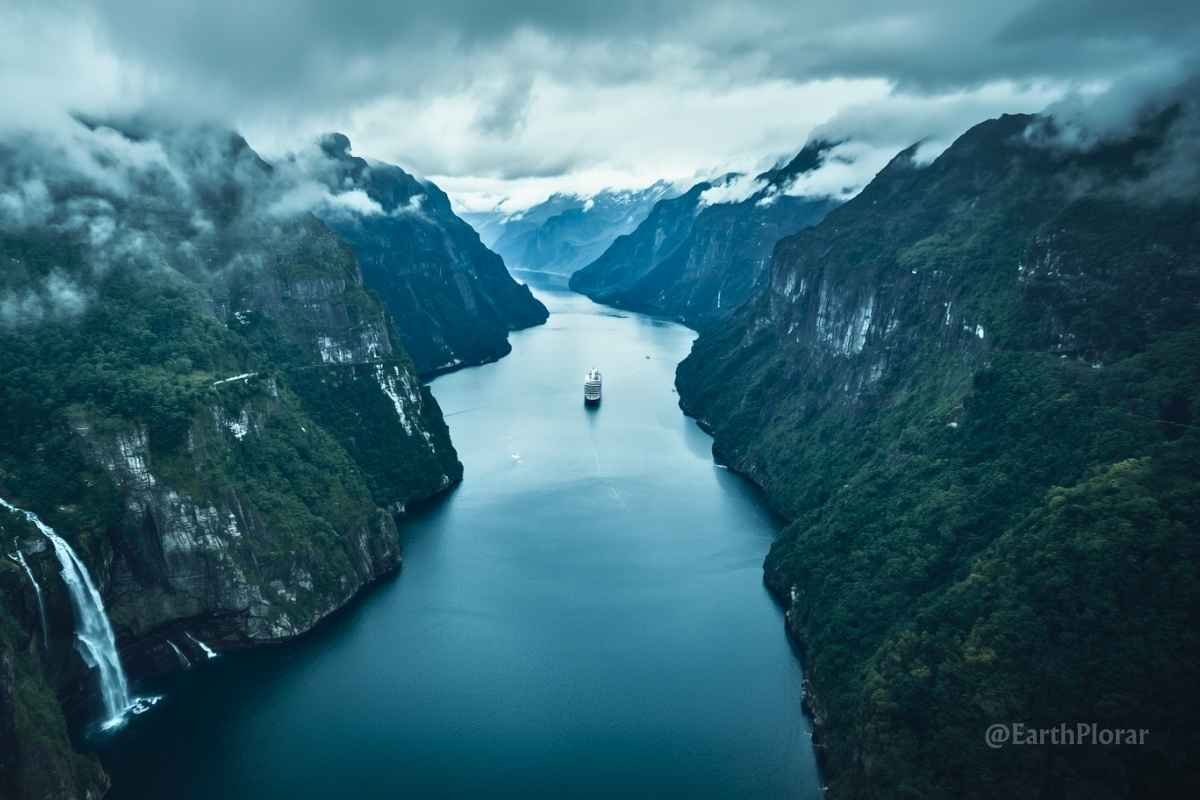
Fiordland is New Zealand’s largest national park, and its most otherworldly. The fiords — carved by glaciers over millions of years — plunge from sheer cliff faces directly into black water. Waterfalls tumble thousands of metres in a single drop. Rainforests cling to vertical walls. And over it all, a silence hangs that feels almost sacred.
Milford Sound (properly a fiord, not a sound) is the park’s crown jewel — described by Rudyard Kipling as “the eighth wonder of the world.” But the lesser-visited Doubtful Sound offers even deeper solitude and arguably greater grandeur.
Key Highlights:
Discover New Zealand’s Great Walks on EarthPlorar →
#6 — Sundarbans National Park, India/Bangladesh 🇮🇳🇧🇩
Location: West Bengal, India & Bangladesh Size: ~10,000 km² (combined transboundary) UNESCO World Heritage Site: Yes (1987, Indian side) Best For: Mangrove ecosystems, Bengal tigers, birdwatching, river safaris
The Sundarbans is the world’s largest mangrove forest — and one of its most mysterious. A labyrinthine network of rivers, tidal waterways, and forested islands stretches across the Bengal delta, home to the iconic Royal Bengal Tiger. Unlike any other tiger reserve in the world, the Sundarbans tigers have adapted to swim between islands, hunt fish, and survive saltwater conditions.
Exploring the Sundarbans by boat, watching the dense mangroves slide past at dawn, is one of travel’s great slow adventures.
Key Highlights:
Read our Sundarbans river safari guide →
#7 — Kruger National Park, South Africa 🇿🇦
Location: Limpopo and Mpumalanga, South Africa Size: 19,485 km² Best For: Big five, self-drive safari, world-class infrastructure
Kruger is Africa’s most famous national park — and for good reason. Covering nearly 20,000 km², it contains one of the highest concentrations of big five wildlife on Earth, combined with an extraordinary self-drive safari network that makes it uniquely accessible to independent travellers.
Drive your own vehicle along hundreds of kilometres of gravel roads, stopping where you like, setting your own pace. The sense of freedom — combined with the possibility of encountering a leopard draped over a marula tree at any moment — is intoxicating.
Key Highlights:
See our Kruger self-drive safari guide →
#8 — Zhangjiajie National Forest Park, China 🇨🇳
Location: Hunan Province, China Size: 48 km² (core) within a larger 397 km² scenic area UNESCO World Heritage Site: Yes (as part of Wulingyuan, 1992) Best For: Surreal pillar landscapes, glass bridges, mountain trails
The towering sandstone pillars of Zhangjiajie look like something from a science fiction film — because they literally are. James Cameron used this landscape as visual inspiration for the floating mountains of Pandora in Avatar (2009). But the real thing is more spectacular than any CGI.
Over 3,000 quartzite sandstone columns — some over 800 metres tall — rise from dense subtropical forest, draped in mist and draped with hanging vegetation. The Tianmen Mountain Glass Skywalk and the Bailong Elevator (the world’s tallest outdoor elevator) add a dramatic modern layer to an ancient landscape.
Key Highlights:
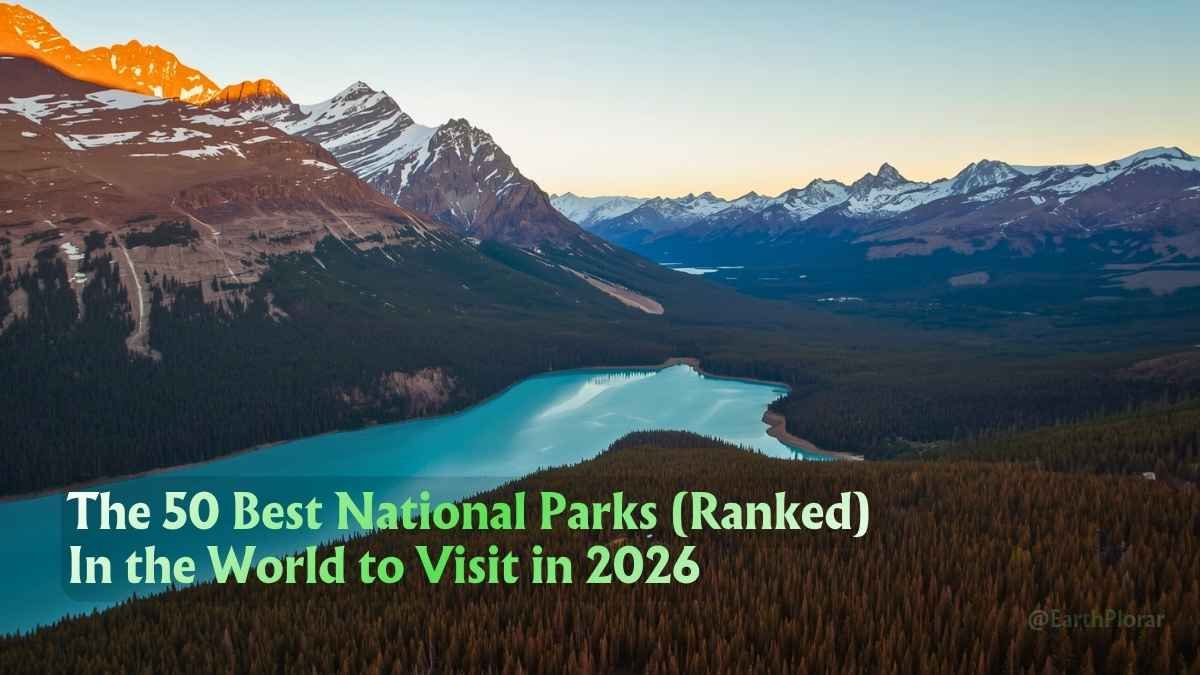
#9 — Banff National Park, Canada 🇨🇦
Location: Alberta, Canadian Rockies Size: 6,641 km² UNESCO World Heritage Site: Yes (as part of Canadian Rocky Mountain Parks, 1984) Best For: Mountain scenery, turquoise lakes, skiing, wildlife
Canada’s oldest and most visited national park delivers scenery of almost absurd beauty. The turquoise lakes — coloured by glacial rock flour suspended in the water — seem digitally enhanced. They are not. Lake Louise and Moraine Lake are simply that extraordinary.
The Icefields Parkway, running 232 kilometres from Banff to Jasper, is consistently ranked among the world’s greatest scenic drives. Pull over at the Columbia Icefield to walk on a glacier that has existed for 10,000 years. It is shrinking. Visit now.
Key Highlights:
Explore the Canadian Rockies with EarthPlorar →
#10 — Komodo National Park, Indonesia 🇮🇩
Location: Lesser Sunda Islands, East Nusa Tenggara, Indonesia Size: 1,733 km² UNESCO World Heritage Site: Yes (1991) Best For: Komodo dragons, diving, pink sand beaches, manta rays
Komodo National Park protects the last wild population of the Komodo dragon — Earth’s largest living lizard, capable of reaching 3 metres in length and hunting deer, pigs, and water buffalo. But the park’s wonders extend far beneath the surface. The surrounding waters contain some of the most biodiverse marine ecosystems on Earth, including world-class manta ray aggregation sites.
Pink Beach (Pantai Merah) — one of only seven pink sand beaches in the world — sits entirely within the park, framed by volcanic hills and crystalline water.
Key Highlights:
Plan your Komodo liveaboard trip →
Tier 2 — The World-Class Icons (Parks #11–25)
These parks represent the very best of their respective continents and ecosystems. Each one would deserve the top position in any regional ranking.
#11 — Grand Canyon National Park, USA 🇺🇸
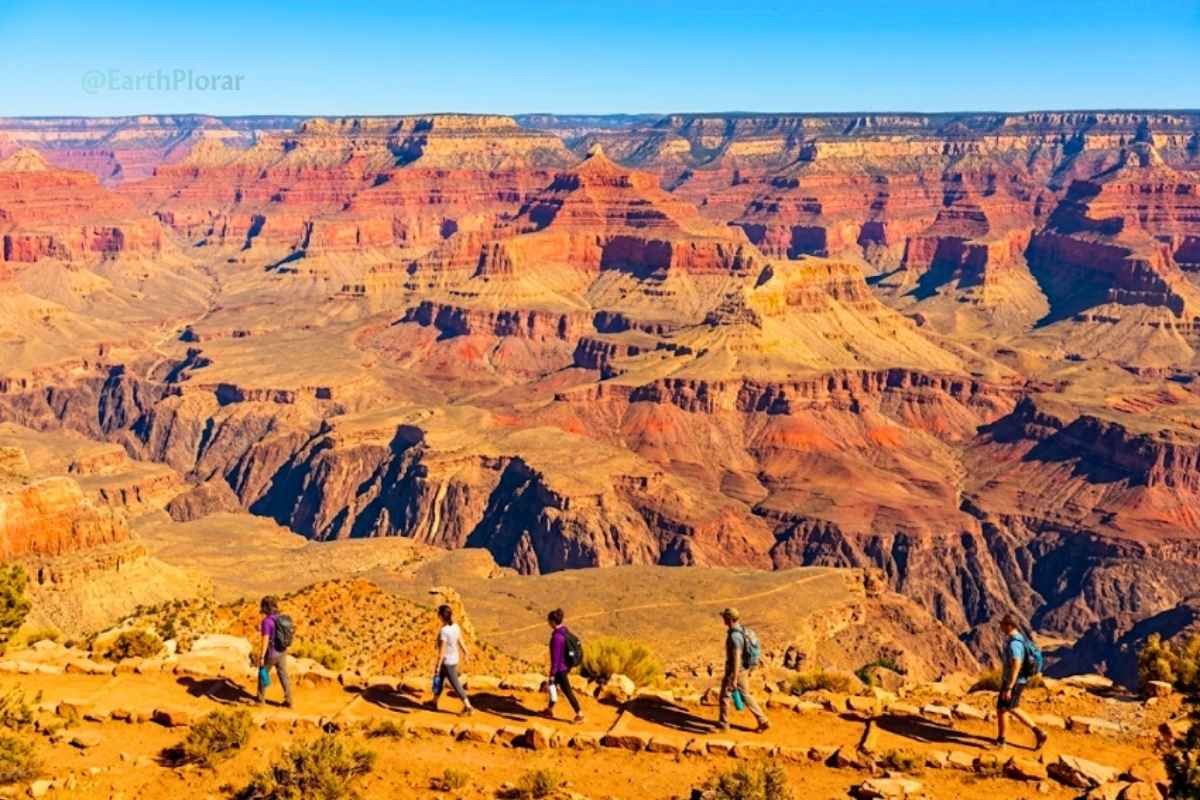
A mile deep, 277 miles long, and 18 miles wide — the Grand Canyon is geology made visible. Stand on the South Rim at sunset and watch the canyon walls shift through red, amber, and violet as the light dies. Hike the Bright Angel Trail to the Colorado River far below. Raft the canyon rapids. The Grand Canyon rewards every level of engagement.
Don’t miss: Horseshoe Bend (technically just outside the park, near Page, AZ) and the North Rim for dramatically fewer crowds.
#12 — Amazon National Park, Brazil 🇧🇷
The world’s largest tropical rainforest contains the world’s greatest biodiversity. The Amazon NP protects a critical section of this irreplaceable ecosystem — home to over 10% of all species on Earth. River boat expeditions, piranha fishing, and night walks through primary forest define the experience.
#12 — Amazon National Park, Brazil 🇧🇷
The world’s largest tropical rainforest contains the world’s greatest biodiversity. The Amazon NP protects a critical section of this irreplaceable ecosystem — home to over 10% of all species on Earth. River boat expeditions, piranha fishing, and night walks through primary forest define the experience.
#13 — Bwindi Impenetrable Forest, Uganda 🇺🇬
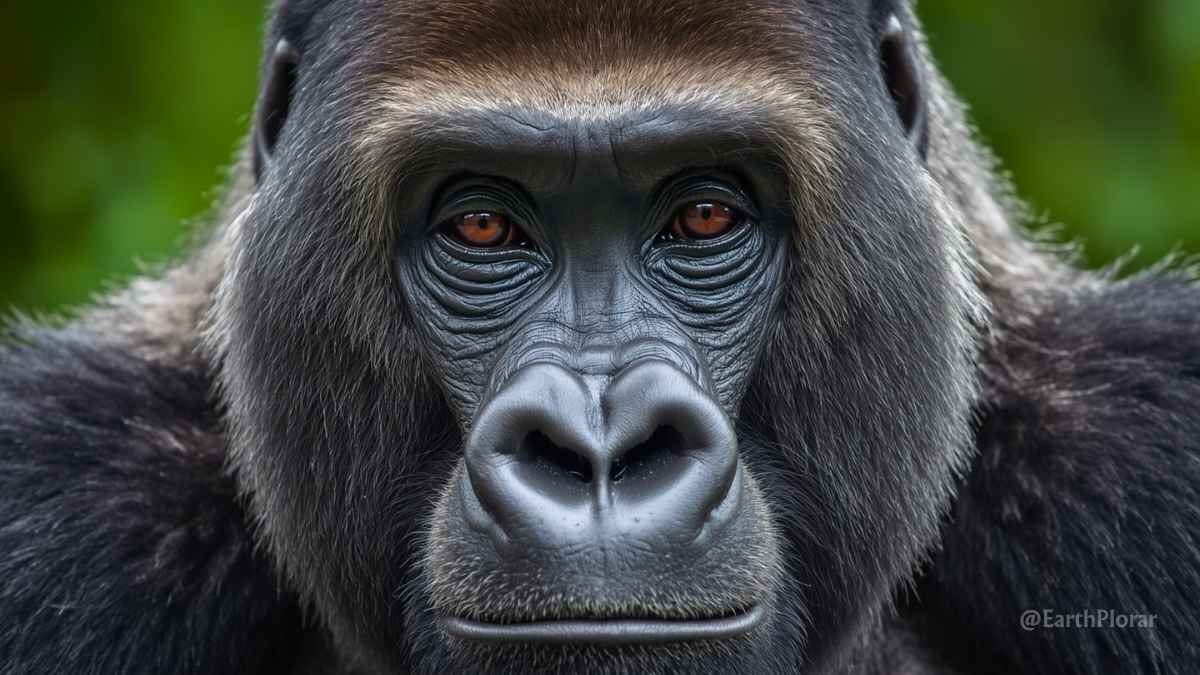
Home to almost half the world’s remaining mountain gorillas, Bwindi is one of Africa’s most profound wildlife experiences. Trekking through dense highland forest to sit quietly in the presence of a gorilla family is an encounter that fundamentally shifts your understanding of what it means to be human.
#14 — Jiuzhaigou Valley, China 🇨🇳
A series of 114 lakes in the Min Mountains, each coloured differently by mineral deposits and light. Turquoise, jade, emerald, sapphire — Jiuzhaigou’s waters are unlike anything else on Earth. UNESCO designated it a World Heritage Site in 1992.
#15 — Etosha National Park, Namibia 🇳🇦
Built around a vast salt pan visible from space, Etosha offers one of Africa’s most unique safari experiences. Floodlit waterholes attract elephants, black rhinos, lions, and cheetahs at night — making for extraordinary after-dark wildlife photography.
#16 — Olympic National Park, USA 🇺🇸
Three distinct ecosystems in one park: temperate rainforest, Pacific coastline, and alpine wilderness. The Hoh Rain Forest receives up to 14 feet of rainfall per year, producing a moss-draped cathedral of Douglas firs and Sitka spruces that feels positively prehistoric.
#17 — Dolomites, Italy 🇮🇹
The Dolomites are a UNESCO World Heritage mountain landscape of extraordinary vertical drama. Pink-hued at dawn (a phenomenon called enrosadira), criss-crossed by over 800 km of marked hiking trails, and dotted with centuries-old rifugios serving legendary pasta — this is adventure travel, Italian style.
#18 — Chitwan National Park, Nepal 🇳🇵
Nepal’s first national park is a subtropical lowland jewel — the antithesis of the Himalayan peaks Nepal is famous for. Home to the one-horned Asian rhinoceros, Bengal tigers, and gharial crocodiles, Chitwan offers jungle walks, dugout canoe rides, and elephant encounters in a dense Terai ecosystem.
#19 — Plitvice Lakes National Park, Croatia 🇭🇷
Sixteen terraced lakes connected by waterfalls, boardwalks, and crystal-clear aquamarine water — Plitvice is one of Europe’s most photographed natural landscapes. The constant flow of water over travertine limestone creates new formations every year, making the park literally alive and changing.
#20 — Sagarmatha (Everest) National Park, Nepal 🇳🇵
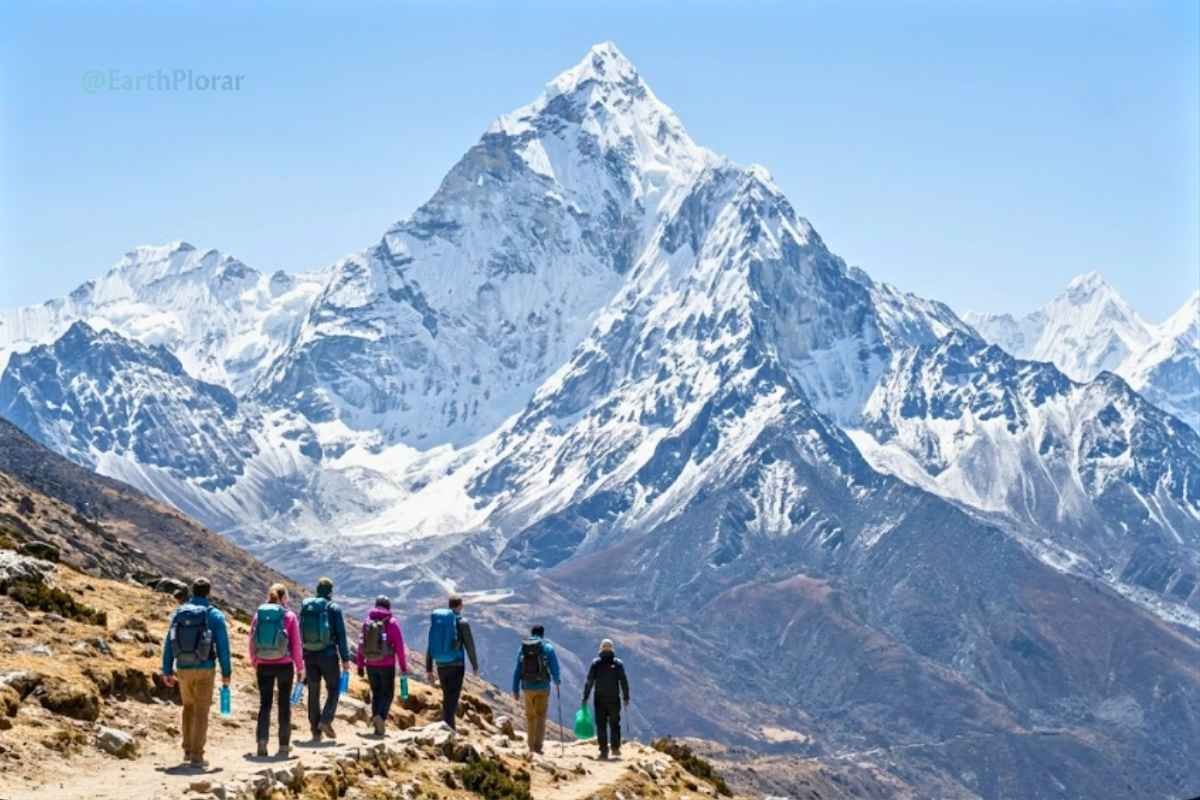
Containing the world’s highest peak (Mount Everest, 8,849m) along with six other 8,000-metre summits, Sagarmatha NP is the world’s highest national park. Even if you don’t attempt the summit, the Everest Base Camp Trek through Sherpa villages and rhododendron forests is among the world’s greatest walks.
#21 — Fiordland National Park, Norway 🇳🇴
(Note: The iconic Geirangerfjord and Nærøyfjord are protected as a UNESCO World Heritage Site area)
Norway’s west coast fjords are among Europe’s most dramatic landscapes — sheer cliff walls dropping 1,000 metres into dark blue water, tiny farms clinging to impossibly steep hillsides, and waterfalls plunging from snowfields above. The Geirangerfjord and Nærøyfjord are Norway’s most celebrated.
#22 — Simien Mountains National Park, Ethiopia 🇪🇹
The “Roof of Africa” — a high-altitude plateau of shattered lava, deep gorges, and endemic wildlife found nowhere else on Earth. Trek among herds of gelada baboons (the world’s only grass-eating primates), spot the rare Ethiopian wolf, and stand at cliff edges where the land simply ends in a 1,000-metre drop.
#23 — Canaima National Park, Venezuela 🇻🇪
Home to Angel Falls — the world’s highest uninterrupted waterfall at 979 metres — Canaima’s ancient tepui tabletop mountains inspired Arthur Conan Doyle’s The Lost World. The sheer isolation of this place, reached only by small aircraft, adds to its mythological quality.
#24 — Ranthambore National Park, India 🇮🇳
India’s most celebrated tiger reserve offers the best Bengal tiger sightings in Asia. Unlike jungle-dense reserves where tigers are rarely seen, Ranthambore’s open scrub forest and historic Mughal fort ruins create ideal sighting conditions. Tigers here have been photographed lounging beside ancient palace walls.
#25 — Peneda-Gerês National Park, Portugal 🇵🇹
Portugal’s only national park — and one of Europe’s best-kept secrets. Ancient oak forests shelter wild horses (garranos), wolves, and golden eagles. Granite villages with Roman ruins sit beside glacial lakes. This is the Iberian wilderness at its most raw and authentic.
Tier 3 — The Hidden Gems and Rising Stars (Parks #26–40)
The National Parks You Haven’t Visited Yet
These are some of the best national parks in the world may be less famous than the titans above, but they are absolutely no less spectacular. In many cases, their relative obscurity is their greatest asset.
#26 — Wrangell-St. Elias, USA 🇺🇸
America’s largest national park contains more glaciers than the entire country of Switzerland. Vast, remote, and almost entirely undeveloped.
#27 — Iguazú National Park, Argentina/Brazil 🇦🇷🇧🇷
Eleanor Roosevelt reportedly said of Iguazú: “Poor Niagara!” The falls are that extraordinary — wider than a kilometre, with 275 individual cascades and surrounding Atlantic Forest dripping with toucans and coatis.
#28 — Loango National Park, Gabon 🇬🇦
Africa’s “Land of Surfing Hippos” — a wild, remote park where forest elephants walk beaches, gorillas feed at the jungle edge, and hippos have been photographed riding Atlantic waves.
#29 — Ha Long Bay / Cát Bà National Park, Vietnam 🇻🇳
Over 1,600 limestone karst islands rising from emerald bay waters, many harbouring their own unique microclimates and wildlife.
#30 — Tongariro National Park, New Zealand 🇳🇿
The world’s oldest national park south of the equator, containing active volcanoes, emerald crater lakes, and the legendary Tongariro Alpine Crossing — New Zealand’s best one-day hike.
#31 — Göreme National Park, Turkey 🇹🇷
Fairy chimneys, underground cities, and cave dwellings carved into volcanic rock over millennia. Hot air balloon flights at sunrise over the Cappadocia valley are among the world’s great travel experiences.
#32 — Namib-Naukluft National Park, Namibia 🇳🇦
Home to the world’s oldest desert (80+ million years old) and the iconic Sossusvlei dunes — some of the tallest sand dunes on Earth, glowing red-orange at dawn against cracked white clay pans.
#33 — Volcanoes National Park, Rwanda 🇷🇼
The other critical habitat for mountain gorillas, and where Dian Fossey did her pioneering research. More intimate than Bwindi, with smaller trekking groups permitted.
#34 — Sagano Bamboo Grove / Yakushima Island, Japan 🇯🇵
While Japan’s national park system is extensive, Yakushima contains ancient cedar trees (yakusugi) over 7,200 years old, in a UNESCO-listed island wilderness that inspired Studio Ghibli’s Princess Mononoke.
#35 — Skeleton Coast National Park, Namibia 🇳🇦
A shipwreck coast haunted by desert-adapted lions and brown hyenas, where seal colonies number in the hundreds of thousands and the cold Benguela Current creates permanent coastal fog.
#36 — Kahuzi-Biega National Park, DRC 🇨🇩
One of the world’s most critical (and challenging to access) gorilla habitats, protecting the largest subspecies of gorilla: the Grauer’s (Eastern Lowland) Gorilla.
#37 — Huascarán National Park, Peru 🇵🇪
A UNESCO World Heritage Site in the Peruvian Andes, home to the world’s highest tropical mountain range and extraordinary high-altitude trekking routes.
#38 — Darién National Park, Panama 🇵🇦
One of the most biologically diverse places on Earth, where North America meets South America in an impenetrable jungle that serves as a critical migration corridor for wildlife.
#39 — Caucasus Nature Reserve, Russia 🇷🇺
A vast and largely inaccessible wilderness of high Caucasus peaks protecting brown bears, Caucasian wisent, and leopards in one of Europe’s last true wild spaces.
#40 — Abel Tasman National Park, New Zealand 🇳🇿
New Zealand’s smallest but most-walked national park, where golden sand beaches, clear turquoise water, and forested coastal trails combine in one compact, perfect package.
Tier 4 — The Complete List (Parks #41–50)
#41 — Snowdonia National Park, Wales 🏴
Ancient mountains, glacial lakes, and the summit of Snowdon (Yr Wyddfa), accessible by both legendary trail and charming rack railway.
#42 — Jim Corbett National Park, India 🇮🇳
India’s oldest national park and a critical tiger reserve in the Himalayan foothills. Dense sal forests, the Ramganga River, and excellent big cat sightings.
#43 — Coto Doñana National Park, Spain 🇪🇸
Western Europe’s most important wetland, a crucial stopover for millions of migratory birds and the last stronghold of the critically endangered Iberian lynx.
#44 — Phong Nha-Kẻ Bàng National Park, Vietnam 🇻🇳
Home to the world’s largest known cave, Son Doong, with its own internal weather system, jungle, and river. Cave exploration here is a category-defining adventure.
#45 — Madidi National Park, Bolivia 🇧🇴
One of the most biodiverse places on Earth per square kilometre, containing over 1,000 bird species and accessible via riverboat expeditions into the Amazon headwaters.
#46 — Waterton-Glacier International Peace Park, Canada/USA 🇨🇦🇺🇸
The world’s first international peace park, straddling the US-Canada border, combining Going-to-the-Sun Road with pristine Canadian Rocky wilderness.
#47 — Los Haitises National Park, Dominican Republic 🇩🇴
A dramatic coastline of limestone mogotes (haystack hills), mangrove forests, and pre-Columbian cave art that most tourists to the Caribbean never discover.
#48 — Bavarian Forest National Park, Germany 🇩🇪
Central Europe’s first national park and a model of Naturwald (natural forest) management, where wolves, lynx, and capercaillie are reclaiming an ancient temperate forest.
#49 — Black River Gorges National Park, Mauritius 🇲🇺
The only national park in Mauritius, protecting endemic Mauritian wildlife including the Pink Pigeon and Echo Parakeet — species brought back from the brink of extinction by heroic conservation efforts.
#50 — Cévennes National Park, France 🇫🇷
A landscape of extraordinary human-natural harmony: a UNESCO Biosphere Reserve where traditional Huguenot shepherding culture and wild granite escarpments coexist in one of France’s last great wilderness areas.
Best National Parks for Every Type of Traveller
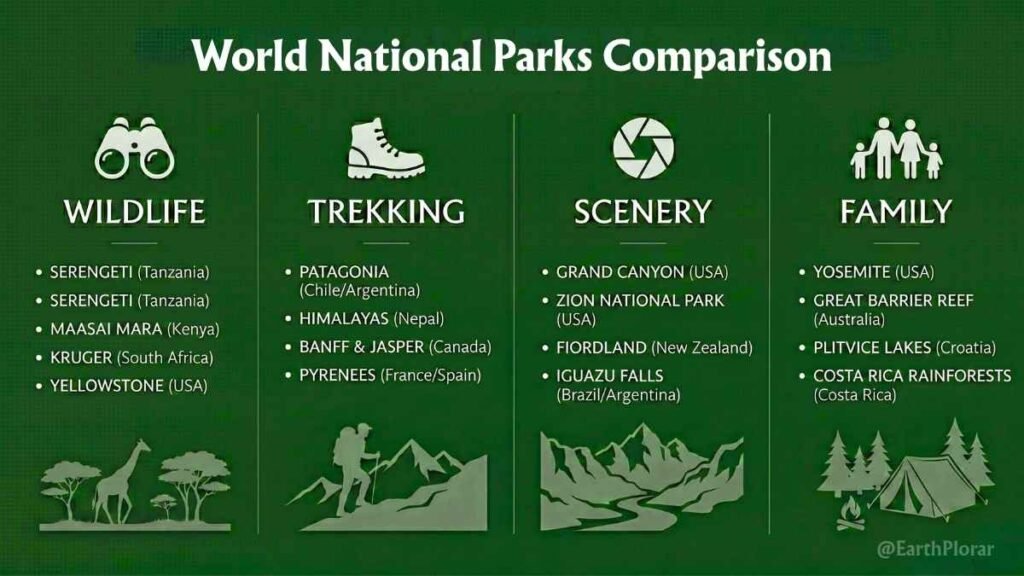
Best National Parks in the world for Wildlife Enthusiasts
| Park | Country | Must-See Wildlife |
|---|---|---|
| Serengeti | Tanzania | Wildebeest, lions, cheetah |
| Kruger | South Africa | Big Five |
| Galápagos | Ecuador | Marine iguanas, giant tortoises |
| Bwindi | Uganda | Mountain gorillas |
| Ranthambore | India | Bengal tigers |
Best National Parks in the world for Trekkers and Hikers
| Park | Country | Signature Trek |
|---|---|---|
| Torres del Paine | Chile | W Trek / Circuit |
| Sagarmatha | Nepal | Everest Base Camp |
| Fiordland | New Zealand | Milford Track |
| Simien Mountains | Ethiopia | High-altitude ridge walks |
| Tongariro | New Zealand | Alpine Crossing |
Best National Parks in the world for a First International Adventure
If you’re planning your first major international nature trip, start here:
How to Visit the World’s Best National Parks Responsibly
The global boom in nature tourism is a double-edged sword. The parks on this list are popular because they are extraordinary — but that popularity creates pressure. Here’s how EarthPlorar recommends you engage with these places:
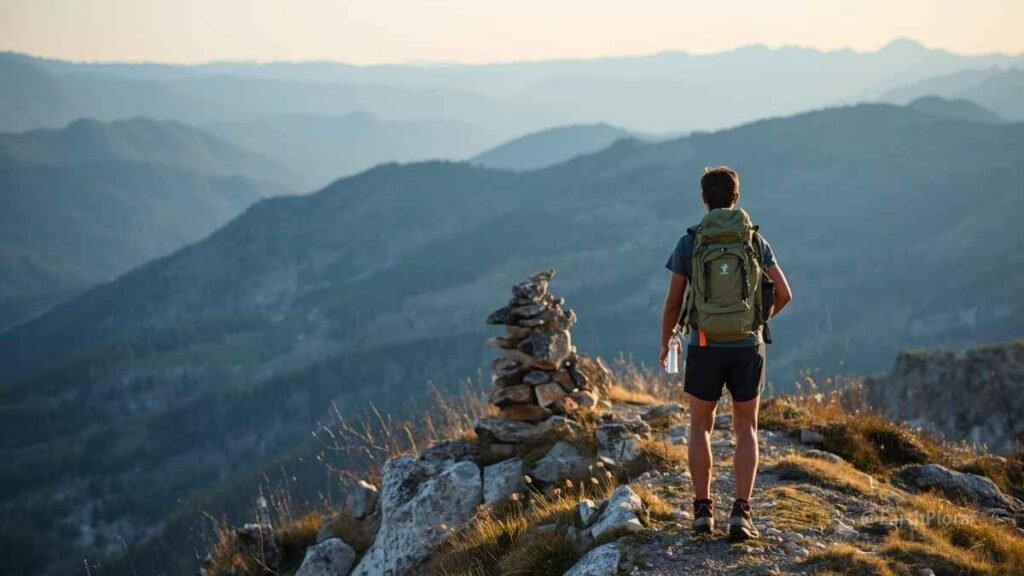
The 7 Principles of Responsible National Park Travel
EarthPlorar Resource: Our complete sustainable travel checklist →
The Leave No Trace Centre for Outdoor Ethics provides internationally recognised principles for wilderness travel that we strongly recommend reading before any national park visit.
Planning Your National Park Bucket List Adventure
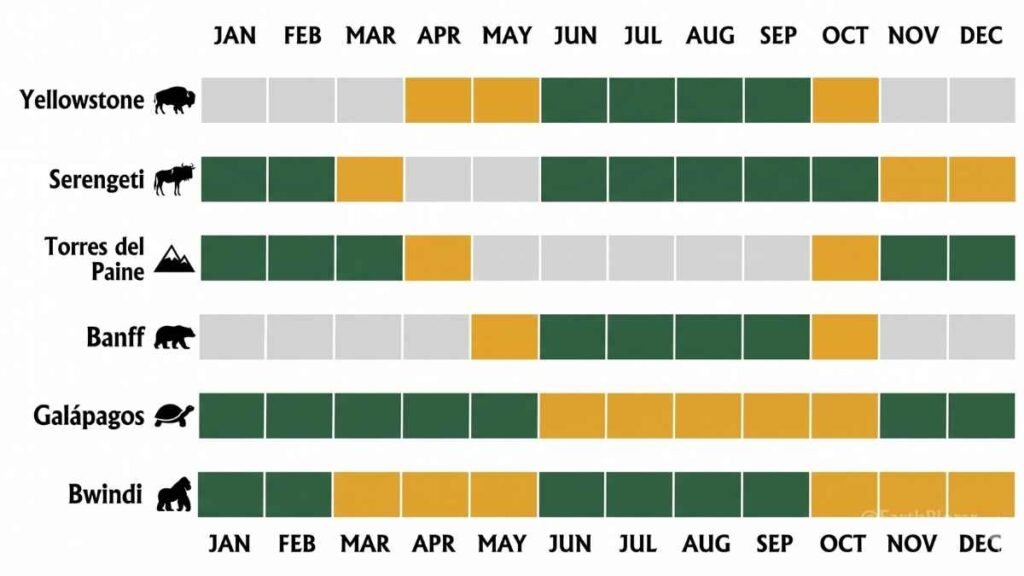
Best Time of Year to Visit the World’s Top National Parks
| Park | Peak Season | Shoulder (Recommended) | Avoid |
|---|---|---|---|
| Yellowstone | July–August | May–June, September | Winter (road closures) |
| Serengeti | Jul–Oct (migration) | Jan–Feb (calving) | — |
| Torres del Paine | Dec–Feb | Oct–Nov, March | Apr–Sep (storms) |
| Banff | July–August | June, September | — |
| Galápagos | June–December | Year-round viable | — |
| Bwindi | Jun–Aug, Dec–Feb | — | Mar–May (rain) |
Budget Guide — What Does National Park Travel Really Cost?
National park travel spans every budget tier. Here’s a realistic breakdown:
Budget (US$50–100/day):
Mid-range (US$150–300/day):
Luxury (US$500+/day):
See our complete national park budget planning guide →
FAQs about the Best National Parks in the World
What is the most visited national park in the world?
The Great Smoky Mountains National Park (USA) consistently receives the highest annual visitor numbers — over 12 million visitors per year — making it the most visited national park in the world by total footfall. However, it ranks lower on our quality/experience list than parks with more controlled visitor access. For raw visitor numbers globally, parks like Zhangjiajie in China also see extraordinary tourist volumes, particularly since the release of Avatar.
Which national park has the most wildlife in the world?
The Serengeti National Park in Tanzania hosts the largest concentration of large mammals on Earth during the Great Migration. However, for total biodiversity including plants, insects, birds, and mammals, the Amazon National Park (Brazil) and Madidi National Park (Bolivia) are arguably the most species-rich protected areas on the planet. The Galápagos is the most endemic — meaning the highest proportion of species found nowhere else.
What is the world’s oldest national park?
Yellowstone National Park (USA) was established on March 1, 1872, making it the world’s first national park. It predated any national park legislation and was created by an act of the U.S. Congress signed by President Ulysses S. Grant. The concept it established — setting aside land permanently for public enjoyment and wildlife protection — went on to inspire national park systems across the world.
Which national parks are UNESCO World Heritage Sites?
Many of the best national parks in the world hold UNESCO World Heritage Site designation. Key examples from our list include Yellowstone (1978), Serengeti (1981), Galápagos (1978), Los Glaciares/Patagonia (1981), Komodo (1991), Jiuzhaigou (1992), and Sagarmatha/Everest (1979). UNESCO designation typically recognises “Outstanding Universal Value” in terms of natural beauty, biodiversity, or geological significance. The full list is maintained at whc.unesco.org.
How do I choose which national park to visit first?
Start with your primary travel motivation: if you want big-game wildlife, begin in Africa (Serengeti or Kruger). If you want dramatic trekking, Patagonia or New Zealand’s Fiordland are unmatched. If you want accessible first-time nature travel with outstanding infrastructure, the Canadian Rockies (Banff) or New Zealand are ideal. Budget matters too — African safaris carry significant costs, while European parks like Plitvice or the Dolomites are relatively affordable. Our national park trip planner can help match you to the right park based on your interests, budget, and travel experience.
Are national parks safe to visit solo?
The vast majority of national parks on this list are perfectly safe for solo travellers, including solo female travellers, provided you follow standard precautions: register your itinerary with park rangers, carry emergency communication devices in remote areas, travel with reputable local guides in wildlife-rich environments (particularly in Africa and India), and always check current conditions with park authorities before setting out. The IUCN World Commission on Protected Areas publishes safety guidance for different park categories.
What is the best national park for a family with children?
Banff National Park (Canada), Yellowstone National Park (USA), and Plitvice Lakes (Croatia) consistently rank as the most family-friendly parks on our list, offering excellent infrastructure, ranger programmes, and experiences calibrated to different age groups. For families seeking wildlife, Kruger National Park‘s self-drive format gives children freedom to experience safari at their own pace, from the safety of a vehicle.
Your Journey Starts Here: The Best National Parks Are Waiting
The 50 best national parks in the world share one essential quality: they remind you what the Earth is capable of when we leave it alone. Old Faithful erupting into a winter sky. A gorilla’s eyes meeting yours through a curtain of mountain forest mist. The pink walls of the Grand Canyon dissolving into darkness as the last light leaves. These moments do not simply entertain — they transform.
Key Takeaways from This Guide
🌿 Ready to Plan Your Adventure?
Subscribe to the EarthPlorar Newsletter and receive our exclusive monthly guide: “Park of the Month” — a deep-dive into one of the world’s great national parks, including seasonal tips, packing lists, budget breakdowns, and sustainable travel advice delivered straight to your inbox.